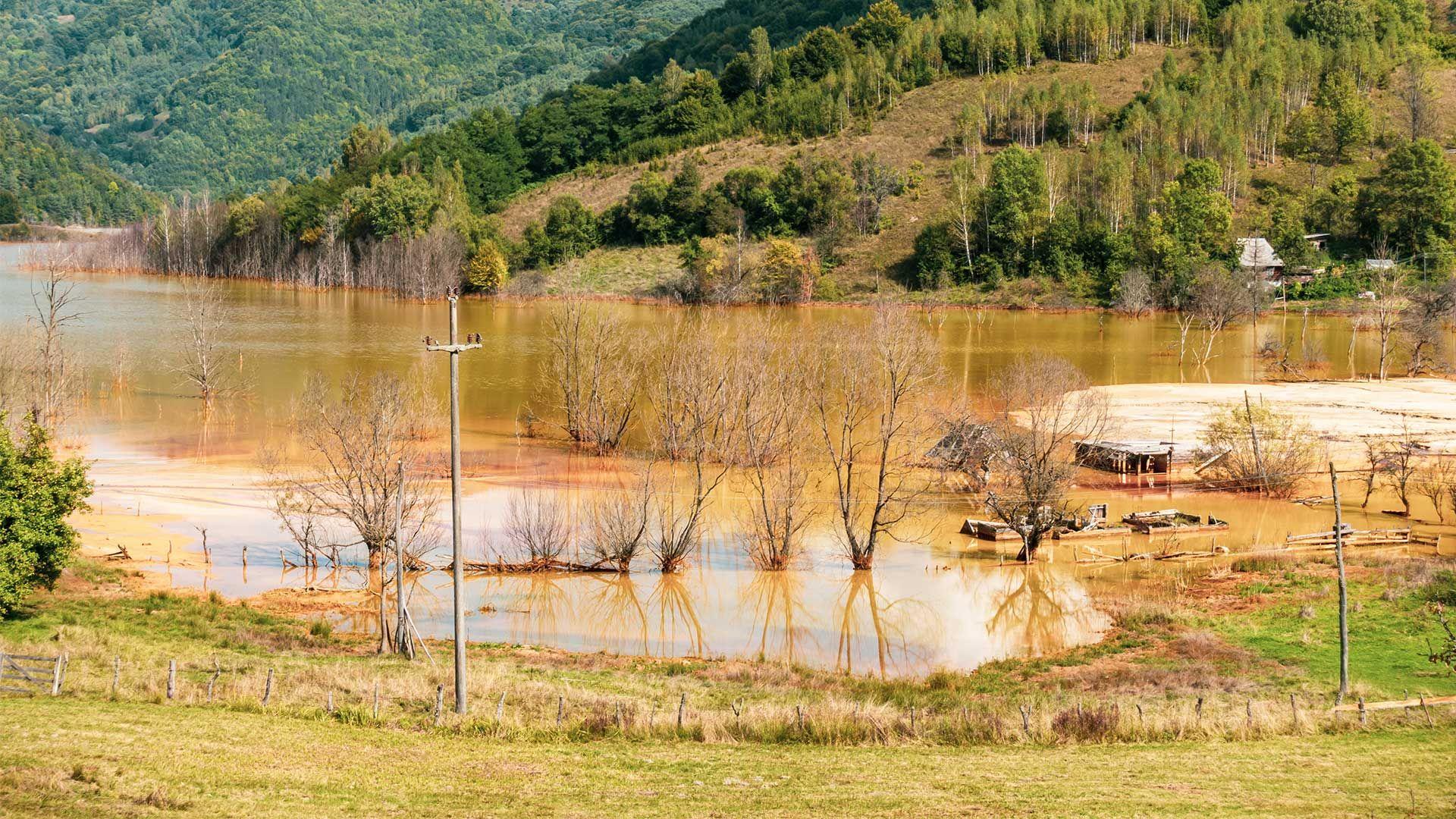
Who is responsible for environmental contamination after wildfires? When wildfires destroy homes, businesses, and industrial sites, they release hazardous toxins into the air, soil, and water. These contaminants create legal and financial liability concerns for multiple parties, from utility companies to property owners and government entities.
For environmental lawyers and corporate litigators, wildfire-related contamination cases involve complex regulations, toxic tort claims, and liability disputes. This guide explores who can be held responsible, key legal considerations, case studies, and remediation efforts after a wildfire.
How Do Wildfire Toxins Affect Legal Liability? (Explained)
Wildfires burn diverse materials, releasing toxic pollutants that pose long-term environmental and health risks. These substances include:
- Heavy metals (lead, arsenic, mercury) – Contaminate soil and water, creating exposure risks for residents and cleanup workers.
- Volatile organic compounds (VOCs) – Released from plastics and industrial chemicals, impacting air and groundwater.
- Dioxins & furans – Toxic byproducts of burning synthetic materials, linked to serious health conditions.
- Asbestos fibers – Found in older buildings, asbestos can become airborne, creating major legal and regulatory risks.
Because these toxins spread beyond the immediate burn zone, contamination liability often extends to multiple parties, leading to lawsuits, regulatory penalties, and insurance disputes.
Who Can Be Held Liable for Wildfire Contamination?
Liability in wildfire-related contamination cases depends on how the fire started, the materials burned, and the extent of environmental damage. Potential liable parties include:
-
Utility Companies
- Why? If power lines or equipment failures spark a wildfire, utilities can be held liable for both fire damage and resulting contamination.
- Case Example: PG&E (Pacific Gas & Electric) settled wildfire claims for $13.5 billion after its equipment caused fires that led to widespread soil and water contamination.
-
Property Owners & Businesses
- Why? Commercial and industrial property owners may face liability if their operations contributed to hazardous waste runoff or toxic air pollution.
-
Government Entities
- Why? State and federal agencies managing public lands may be held liable if inadequate fire prevention measures contributed to the fire’s spread.
-
Manufacturers of Hazardous Materials
- Why? Companies that produce materials known to release toxic substances when burned could face product liability lawsuits.
-
Insurance Companies
- Why? Insurance disputes often arise when insurers deny pollution-related claims, arguing contamination is not covered under standard wildfire policies.
Key Legal Considerations in Wildfire Contamination Lawsuits
Environmental contamination cases after wildfires involve complex legal frameworks, including:
- CERCLA (Superfund Law) – Determines liability for hazardous waste cleanup and environmental restoration.
- Toxic Tort Litigation – Individuals exposed to wildfire pollutants may file personal injury claims for respiratory issues, cancer risks, and long-term health effects.
- Inverse Condemnation Claims – Property owners may sue government agencies for failing to prevent wildfire-related contamination.
- State-Specific Environmental Regulations – California, Oregon, and other wildfire-prone states have strict hazardous waste laws that impact liability.
Case Studies: Legal Precedents in Wildfire Contamination Litigation
- Case Summary: PG&E faced lawsuits after faulty power lines caused wildfires, leading to toxic contamination of water supplies.
- Legal Outcome: PG&E agreed to a $13.5 billion settlement to cover environmental cleanup, property damage, and personal injury claims.
Woolsey Fire Toxic Runoff Lawsuits
- Case Summary: The Woolsey Fire burned industrial areas, leading to toxic chemicals entering local water sources.
- Legal Outcome: Environmental groups and affected homeowners sued multiple entities, including businesses and government agencies, for failing to prevent contamination.
Camp Fire Asbestos Contamination Claims
- Case Summary: After the Camp Fire destroyed thousands of buildings, airborne asbestos contamination became a major concern.
- Legal Outcome: Multiple toxic exposure lawsuits were filed against contractors and property owners for failing to safely remove hazardous materials.
These legal precedents highlight how courts handle wildfire contamination claims, emphasizing corporate, government, and property owner liability.
Once liability is determined, the focus shifts to cleanup efforts and financial compensation for affected parties.
- Soil & Water Decontamination – Hazardous waste removal, filtration systems, and soil excavation are used to mitigate contamination.
- Air Quality Restoration – Industrial air purification and environmental monitoring help address toxic smoke exposure.
- Government Oversight – Agencies like EPA, FEMA, and state regulators oversee remediation to prevent further exposure risks.
Compensation for Affected Property Owners & Businesses
- Property Damage Claims – Lawsuits seek compensation for land, structures, and business losses due to contamination.
- Health-Related Lawsuits – Victims exposed to wildfire toxins may file personal injury or class-action lawsuits.
- Insurance Payouts & Disputes – Many wildfire insurance policies exclude pollution-related claims, leading to coverage battles.
By understanding remediation processes and compensation options, litigators can help clients navigate claims and secure financial recovery.
Key Takeaways for Legal Professionals
- Identify responsible parties – Utility companies, businesses, and government entities may be liable.
- Understand legal frameworks – CERCLA, toxic torts, and inverse condemnation claims impact litigation.
- Use case precedents – Recent lawsuits provide valuable legal insights on wildfire contamination liability.
- Address remediation & compensation – Cleanup efforts and financial recovery options are key to post-wildfire claims.
Conclusion
Wildfire contamination liability continues to be a significant legal issue, with utility companies, businesses, and government agencies involved in litigation related to environmental damage. As wildfires become more frequent and severe, the legal landscape surrounding toxic exposure, liability claims, and remediation responsibilities is evolving.
For environmental lawyers and corporate litigators, staying informed about contamination risks, regulatory frameworks, and case precedents is essential when handling wildfire-related claims. Understanding the legal and environmental implications of post-wildfire contamination can help attorneys navigate liability disputes, compliance requirements, and remediation efforts effectively.