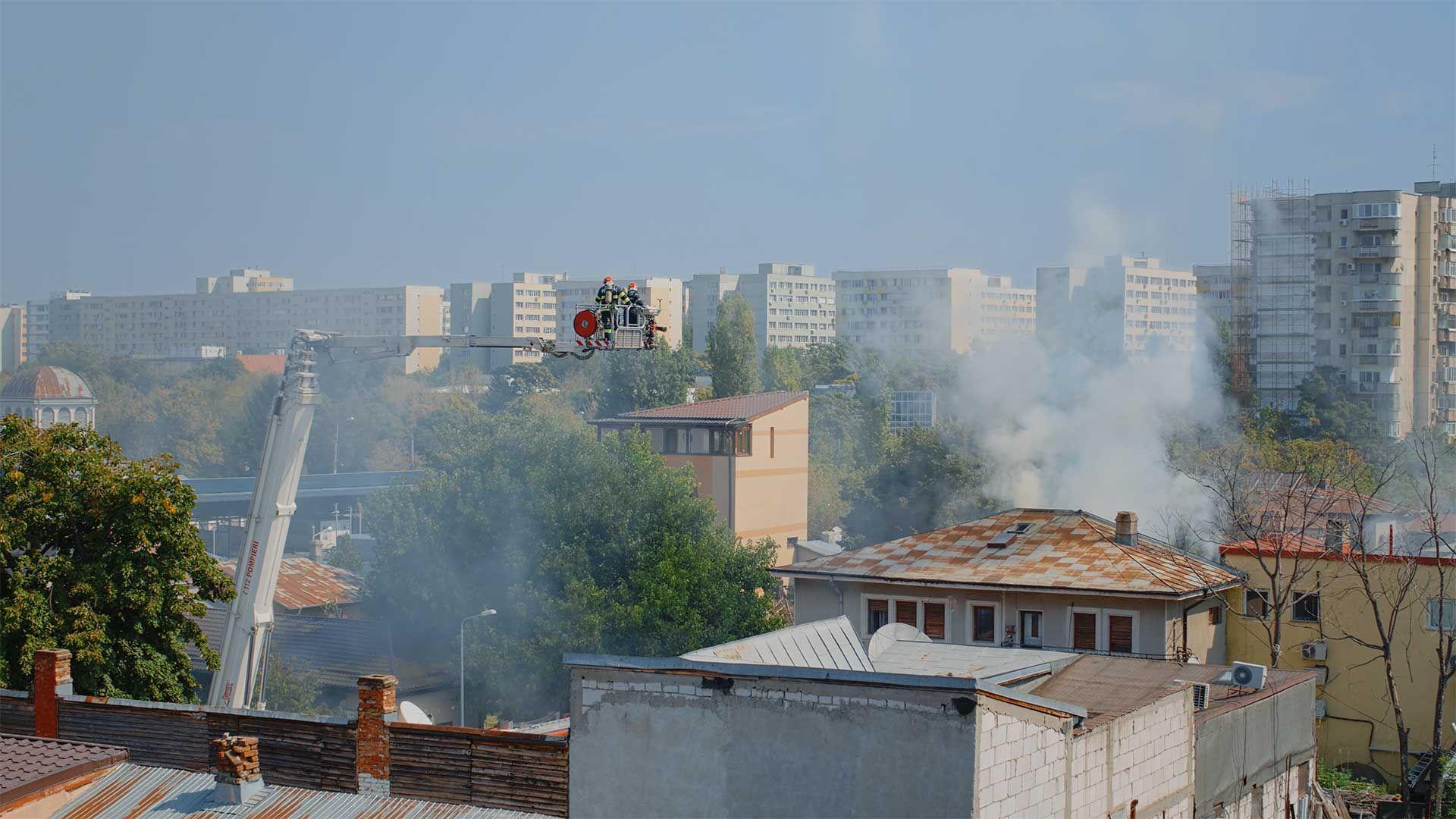
Urban wildfires are no longer limited to remote forests or rural mountain communities. In recent years, major wildfire events have increasingly affected developed residential and commercial areas, causing catastrophic property damage, infrastructure failures, environmental contamination, insurance disputes, and widespread public health concerns.
Many of these cases involve wildfire events affecting developed communities located within or near the wildland-urban interface (WUI). As development continues to expand into wildfire-prone regions, attorneys, insurers, municipalities, environmental professionals, and public health experts are facing increasingly complicated legal challenges.
Today’s wildfire litigation often extends far beyond property damage disputes. Cases may involve environmental contamination claims, utility liability allegations, insurance conflicts, evacuation failures, land use disputes, toxic exposure allegations, and public health issues.
The legal and scientific questions involved in urban wildfire litigation are often highly technical. Fire origin specialists, engineers, toxicologists, environmental scientists, public health experts, economists, and emergency management professionals may all play important roles in helping courts evaluate causation, damages, regulatory compliance, and long-term risk.
Understanding Urban Wildfires and the Wildland-Urban Interface
An urban wildfire is a descriptive term for a fire event that spreads into developed residential, commercial, or industrial areas. The term does not always have a single uniform legal definition across all jurisdictions or agencies.
These fires commonly occur within or near the wildland-urban interface, which refers to areas where human development overlaps with undeveloped vegetation.
Unlike traditional forest fires that primarily burn vegetation, urban wildfires often involve:
- Residential structures
- Commercial properties
- Electrical infrastructure
- Vehicles
- Hazardous household materials
- Industrial chemicals
- Municipal utility systems
Because developed communities and wildfire-prone vegetation often exist side by side in these areas, urban wildfires can create environmental, health, and legal consequences that continue long after the fire itself is extinguished.
Why Urban Wildfire Litigation Continues to Grow
Several factors help explain why wildfire-related disputes are becoming more common and increasingly complex across the United States.
Climate and Environmental Conditions
Longer dry periods, higher temperatures, and changing weather conditions can contribute to wildfire risk in many regions. Dry vegetation, extreme heat, and strong winds can quickly turn a small fire into a large-scale urban disaster.
Public agencies and wildfire researchers have reported that warming conditions, drought conditions, and increasingly dry vegetation may contribute to wildfire risk and may lengthen wildfire seasons in some regions of the United States.
Expansion Into Fire-Prone Areas
Residential and commercial development in wildfire-prone regions has increased significantly over time. As more people and businesses move into high-risk areas, the financial and legal consequences of wildfire events continue to grow.
Research involving the expansion of the wildland-urban interface has shown that more homes and communities are located in areas where development overlaps with wildfire-prone vegetation, increasing potential human exposure and property loss during major fire events.
Utility Infrastructure, Maintenance, and Wildfire Risk
Utility wildfire litigation often focuses on whether electrical transmission and distribution systems were properly maintained, inspected, and managed during high-risk weather conditions.
Claims may involve allegations that utilities failed to take reasonable preventative measures under the circumstances. Depending on the facts and governing law, these allegations may involve vegetation management, equipment maintenance, infrastructure inspections, emergency planning, or decisions about whether power should have been de-energized during high-risk weather conditions.
In California, wildfire litigation and regulatory proceedings have increased scrutiny of utility safety obligations, emergency planning, and infrastructure risk management.
Increased Focus on Toxic Exposure Risks
Urban wildfires can release complex mixtures of substances into the air, soil, and water supplies, depending on the materials burned and the conditions of the fire.
In wildfire litigation, plaintiffs may allege injuries related to smoke inhalation, contaminated drinking water, ash exposure, or combustion-related chemical releases. The presence of a contaminant alone does not establish legal causation or compensable injury, which usually requires case-specific scientific, medical, and exposure analysis.
As these cases become more complicated, toxicologists and environmental health experts are playing a larger role in wildfire litigation.
Common Legal Claims in Urban Wildfire Cases
Wildfire litigation can involve numerous legal theories depending on the facts of the incident, the parties involved, and the governing jurisdiction.
Negligence Claims
Negligence remains one of the most common causes of action in wildfire litigation. Plaintiffs may argue that a defendant failed to exercise reasonable care in preventing or responding to known fire risks.
Examples may include:
- Failure to maintain electrical equipment
- Inadequate vegetation management
- Unsafe construction practices
- Failure to follow fire safety regulations
- Deficient evacuation planning
In utility-related wildfire cases, plaintiffs often argue that utilities failed to inspect, repair, or properly manage dangerous equipment during high-risk weather conditions.
Inverse Condemnation Claims
Inverse condemnation claims may arise in certain jurisdictions when private property is damaged as a result of infrastructure operated for a public use. California wildfire litigation has significantly influenced modern inverse condemnation disputes involving utility infrastructure.
California courts have addressed inverse condemnation claims involving wildfire-related property losses tied to utility infrastructure operated for a public use, including claims involving investor-owned utilities. The scope and availability of inverse condemnation in wildfire litigation remain highly dependent on California-specific constitutional law, appellate decisions, the defendant’s legal status, and the facts of the incident.
Because inverse condemnation laws vary by jurisdiction, these claims should not be treated as a nationwide rule.
Wrongful Death and Personal Injury Claims
Urban wildfires can result in fatalities, severe burns, smoke inhalation injuries, and alleged long-term respiratory complications.
Personal injury allegations may involve:
- Delayed evacuation warnings
- Hazardous smoke exposure
- Toxic contamination
- Emergency response failures
- Unsafe building conditions
These claims often require extensive medical and scientific expert analysis regarding exposure levels, injury causation, and long-term health effects.
Insurance Coverage and Bad Faith Litigation
Wildfire claims frequently lead to complicated insurance disputes involving:
- Coverage exclusions
- Underinsurance issues
- Business interruption losses
- Additional living expenses
- Smoke damage valuation
- Replacement cost disagreements
Large wildfire losses can also create disputes involving claim handling practices, including allegations of unreasonable delays, improper denials, or inadequate payments.
The availability and strength of these claims often depend on policy language, state insurance law, claim handling facts, and applicable bad faith standards.
Environmental Damage Caused by Urban Wildfires
Urban wildfires can create environmental hazards that extend well beyond burned structures.
Air Quality Contamination and Smoke Exposure
Wildfire smoke can contain particulate matter, volatile organic compounds (VOCs), heavy metals, and combustion byproducts, especially when homes, vehicles, plastics, treated materials, or industrial materials burn.
The type and concentration of contaminants can vary substantially based on the materials burned, fire intensity, weather conditions, and duration of exposure.
Unlike traditional vegetation fires, smoke from urban wildfires may contain contaminants associated with burned building materials, electronics, treated wood products, household chemicals, and other manufactured materials commonly found in developed communities.
Environmental experts are often retained to analyze air sampling data, pollutant dispersion patterns, and potential exposure risks. In some cases, disputes arise over whether environmental testing methods satisfy Rule 702 reliability standards.
Soil and Water Contamination Risks
Post-fire contamination can affect groundwater, reservoirs, stormwater systems, and municipal water infrastructure.
Depending on the fire conditions and affected infrastructure, potential contaminants may include:
- Benzene
- Heavy metals
- Ash residue
- Hydrocarbons
- Combustion chemicals
After several major wildfire events, environmental agencies issued guidance regarding volatile organic compound contamination in drinking water systems damaged by wildfire conditions.
Environmental remediation disputes often involve questions regarding cleanup responsibility, regulatory compliance, and long-term monitoring obligations.
Hazardous Waste and Debris Removal
After major urban wildfires, debris removal becomes both a logistical and legal challenge.
Burned structures may contain hazardous materials that require regulated handling, testing, or disposal under federal, state, or local requirements.
Disputes can arise regarding:
- Cleanup standards
- Contractor liability
- Government reimbursement
- Property owner obligations
- Environmental permitting requirements
These issues may become particularly complicated when multiple agencies, insurers, contractors, and property owners are involved in large-scale recovery efforts.
Public Health Risks Associated with Urban Wildfires
Urban wildfires can create immediate public health concerns and, in some cases, longer-term health questions.
Respiratory and Cardiovascular Health Effects
Exposure to wildfire smoke has been associated with increased respiratory and cardiovascular complications, particularly among children, older adults, and individuals with preexisting health conditions.
Public health experts may evaluate:
- Air monitoring data
- Exposure duration
- Population health trends
- Hospitalization rates
- Long-term respiratory outcomes
In toxic exposure litigation, experts are often asked to explain whether a claimed injury is medically consistent with the alleged level and duration of smoke exposure.
Toxic Exposure and Environmental Health Claims
Urban wildfire plaintiffs may allege exposure to toxic substances released during combustion events.
Potential allegations may involve exposure to:
- Particulate matter
- Heavy metals
- Combustion byproducts
- Hazardous airborne chemicals
These claims often resemble broader toxic tort litigation and may require detailed expert analysis regarding exposure levels, exposure pathways, general causation, specific causation, medical causation, and scientific reliability.
Mental Health and Community Displacement
Wildfires and large-scale evacuations can create significant emotional and psychological stress for affected communities.
Large wildfire events may also displace entire communities for extended periods, creating additional legal disputes involving housing, relocation costs, municipal response obligations, and insurance coverage.
The Role of Expert Witnesses in Urban Wildfire Litigation
Expert testimony is often central to wildfire-related litigation because these cases typically involve highly technical scientific, engineering, environmental, and public health issues.
Fire Origin and Cause Experts
Origin and cause experts analyze how a wildfire started and spread. Their investigations may involve:
- Burn pattern analysis
- Electrical system evaluations
- Weather data review
- Equipment inspections
- Fire dynamics modeling
These experts often play a central role in utility wildfire litigation, where courts must evaluate competing theories regarding ignition sources and fire spread.
In some wildfire cases, attorneys challenge whether fire origin opinions are supported by reliable investigative methods, sufficient testing, and accepted fire science principles before the testimony reaches a jury.
Environmental and Remediation Experts
Environmental experts may evaluate:
- Soil contamination
- Air quality impacts
- Water contamination
- Hazardous materials releases
- Regulatory compliance issues
Their findings may influence remediation obligations, damages calculations, and public health claims.
Toxicologists and Medical Experts
Toxicologists and medical professionals may assess whether alleged exposures are medically consistent with claimed injuries.
Their analyses often focus on:
- Exposure pathways
- Dose-response relationships
- Scientific literature
- Medical causation
- Long-term health risks
Because toxic exposure cases often involve disputed scientific evidence, courts may closely evaluate whether the expert’s methodology satisfies Rule 702 reliability requirements.
Emergency Management and Public Safety Experts
These experts may evaluate evacuation procedures, emergency response coordination, warning systems, and municipal preparedness.
In cases involving public agencies, expert testimony may address whether response actions complied with accepted emergency planning practices and applicable response protocols.
Claims involving public agencies may also raise immunity, statutory duty, notice, and discretionary function issues depending on the jurisdiction.
Evidentiary Challenges in Urban Wildfire Litigation
Wildfire litigation often presents difficult evidentiary issues due to the large scale and destructive nature of these events.
Proving Wildfire Causation
Establishing wildfire causation can be challenging because evidence may be destroyed during the fire itself. Investigators may also face rapidly changing environmental conditions, multiple possible ignition sources, and overlapping infrastructure failures.
Courts and juries often rely on expert testimony, physical evidence, records, and investigative findings to evaluate:
- Fire origin
- Spread patterns
- Equipment failures
- Environmental exposure levels
- Health causation
In many cases, both sides present competing expert opinions regarding ignition sources, utility equipment failures, or environmental contamination pathways. Courts may carefully evaluate whether experts relied on accepted investigative methods and scientifically supported reasoning when determining causation.
Admissibility Under Rule 702 and Daubert
Wildfire experts may face admissibility challenges under Federal Rule of Evidence 702 and the standards established in Daubert v. Merrell Dow Pharmaceuticals, Inc. and Kumho Tire Co. v. Carmichael.
Courts may evaluate whether the expert is qualified, whether the testimony will help the trier of fact, whether the opinion is based on sufficient facts or data, whether reliable principles and methods were used, and whether those principles and methods were reliably applied to the facts of the case.
The 2023 amendments to Federal Rule of Evidence 702 also reinforce that the proponent of expert testimony must establish admissibility by a preponderance of the evidence.
Because wildfire litigation often involves highly technical scientific and engineering evidence, admissibility rulings can strongly influence the outcome of a case.
In state court proceedings, admissibility standards may vary because some jurisdictions apply Daubert, Frye, or state-specific expert reliability standards.
How Urban Wildfires Are Changing Risk Management and Regulation
Wildfires are increasingly influencing corporate risk management, infrastructure investment, land use planning, and insurance practices.
Organizations operating in wildfire-prone regions may need to reevaluate:
- Infrastructure maintenance practices
- Vegetation management programs
- Emergency response planning
- Environmental monitoring
- Community evacuation procedures
- Insurance coverage strategies
Municipalities and developers are also facing increased scrutiny regarding zoning decisions, building codes, wildfire mitigation planning, and emergency preparedness measures.
As wildfire risks continue to grow, legal disputes involving environmental compliance, public safety obligations, and infrastructure management are likely to become even more significant.
Conclusion
Urban wildfire litigation continues to evolve as catastrophic fire events increasingly affect densely populated communities. These disputes now involve complicated intersections between environmental law, public health, infrastructure regulation, insurance law, and mass tort litigation.
As wildfire-related disputes become more technically complex, expert witnesses continue to play an important role in helping courts, attorneys, insurers, and juries evaluate scientific evidence, causation issues, and regulatory obligations.
For attorneys handling wildfire-related disputes, retaining qualified experts early in the litigation process can be critical when evaluating liability, establishing damages, and addressing complicated environmental and public health questions.
ForensisGroup provides access to highly qualified expert witnesses across fire investigation, environmental science, toxicology, engineering, emergency management, public health, and related disciplines to support complex wildfire litigation matters nationwide.