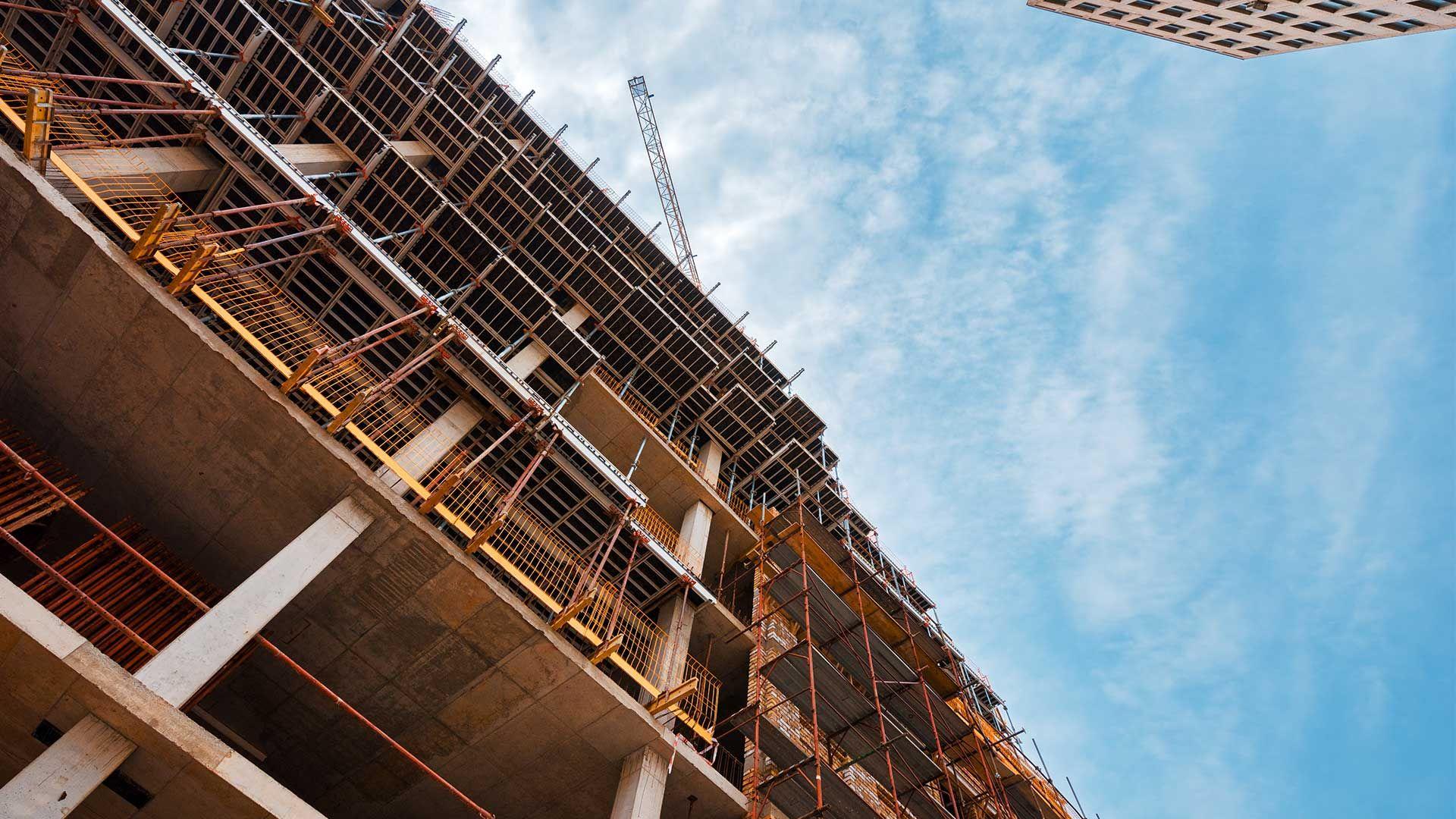
Construction accidents, structural failures, equipment malfunctions, and workplace injuries usually trigger an immediate response at the jobsite. Cleanup crews may arrive within hours. Damaged equipment can be removed quickly, and contractors may begin repairs before attorneys, insurers, or experts have an opportunity to inspect the area.
That creates a major challenge in construction litigation. Critical evidence can disappear long before anyone fully understands how important it may become later in the case.
For attorneys handling construction defect claims, workplace injury matters, wrongful death cases, equipment failures, or property damage disputes, evidence preservation is not just another procedural step. It can shape liability analysis, expert opinions, insurance disputes, and potential spoliation issues throughout the case.
This guide explains how evidence preservation works in California construction-related litigation, what attorneys should prioritize early in a case, and how expert witnesses can help preserve and evaluate evidence before it changes, disappears, or gets destroyed.
Why Evidence Preservation Matters in California Construction Litigation
Construction sites rarely stay the same for long. Equipment gets moved, temporary structures come down, and contractors continue working to keep projects moving. In some situations, the exact condition that caused an accident may be gone within hours.
That is what makes preservation so important in construction cases.
Physical and digital evidence often plays a major role in:
- Causation analysis
- Workplace safety investigations
- Structural failure evaluations
- Product defect claims
- Contractual responsibility disputes
- Expert testimony under California and federal evidentiary standards
Without proper preservation efforts, parties may lose access to failed components, heavy equipment data, scaffold configurations, fall protection systems, surveillance footage, digital project records, and other evidence that could later become central to the dispute.
In many construction matters, the most valuable evidence exists only briefly. A damaged scaffold may be removed for safety reasons before experts inspect it. Surveillance footage may be overwritten through routine retention practices. Repairs may begin immediately because the project cannot stay shut down while parties sort out preservation issues.
Once those original conditions change, experts may have to rely on incomplete photographs, records, or witness recollections instead of direct inspection. Courts may also impose sanctions in appropriate cases when relevant evidence is destroyed after a party reasonably should anticipate litigation.
For attorneys, the earliest preservation decisions often influence how the rest of the case unfolds.
What Is Spoliation of Evidence in California?
In litigation, spoliation generally refers to the loss, destruction, alteration, or failure to preserve evidence that may matter in a case.
California courts generally do not recognize separate tort claims for intentional spoliation of evidence by litigation parties or third parties, although other remedies may still be available. Courts may also impose serious evidentiary or procedural consequences when relevant evidence is improperly destroyed.
Depending on the facts and procedural posture of the case, potential consequences may include:
- Monetary sanctions
- Evidentiary consequences
- Issue sanctions
- Terminating sanctions
- Other court-ordered remedies
In some situations, courts may also consider adverse inferences depending on the governing law and circumstances involved.
California courts typically look at several factors, including:
- Whether a duty to preserve existed
- Whether the evidence was relevant
- Whether the evidence was destroyed or materially altered
- Whether another party suffered prejudice as a result
What makes construction cases especially difficult is that evidence often exists in temporary or rapidly changing environments.
When Does the Duty to Preserve Evidence Begin?
The duty to preserve evidence generally begins when litigation becomes reasonably foreseeable.
A lawsuit does not need to be filed first.
In construction matters, preservation duties may arise shortly after:
- A workplace injury
- Structural collapse
- Equipment failure
- Fire or explosion
- Water intrusion event
- Notice of claim
- Attorney involvement
- Insurance investigation
- Regulatory inquiry
- A preservation demand letter
Once a serious incident is likely to result in claims, investigations, or litigation, potentially relevant evidence should usually be preserved immediately.
Timing becomes critical because jobsites continue changing while attorneys and investigators are still gathering information. Demolition, cleanup, repairs, and reconstruction efforts may continue before experts have an opportunity to inspect the scene.
By that point, some evidence may already be gone.
Send a Preservation Letter Early
One of the first practical steps after a serious incident is sending a litigation hold or preservation letter to potentially involved parties.
Depending on the circumstances, recipients may include property owners, general contractors, subcontractors, manufacturers, maintenance providers, insurance carriers, project managers, safety consultants, or third-party investigators.
The preservation request should clearly identify the categories of evidence that need to be retained. That may include:
- Physical components
- Tools and machinery
- Inspection reports
- Safety logs
- Emails and text messages
- Surveillance footage
- Daily reports
- Photographs
- Maintenance records
- Incident reports
- BIM files or digital models, where applicable
Specific requests are often more effective than broad demands. The clearer the request is, the easier it becomes later to show what evidence parties were expected to preserve.
Secure the Jobsite Before Conditions Change
Construction sites rarely remain untouched after a major incident.
In many cases, attorneys need to coordinate quickly with contractors, owners, insurers, or investigators to restrict access, delay demolition, preserve failed components, document equipment positioning, and prevent unnecessary repairs before inspections occur.
Disputes over site access can start almost immediately after a catastrophic loss.
For example, one contractor may want to clear debris and resume work as quickly as possible, while another party may insist that the scene remain untouched for forensic analysis.
If those disagreements are not addressed quickly, important evidence may disappear before all parties have an opportunity to inspect it.
Sometimes informal preservation efforts are not enough. In certain situations, counsel may consider emergency court intervention or temporary restraining orders if evidence destruction appears imminent.
Thoroughly Document the Scene
Visual documentation becomes especially important because the site may never look the same again.
Attorneys and experts should carefully document:
- Overall site conditions
- Equipment placement
- Warning signs
- Guardrails and fall protection systems
- Lighting conditions
- Structural damage
- Debris patterns
- Access pathways
- Weather and environmental conditions
Depending on the case, attorneys and experts may also use high-resolution photography, drone footage, 3D laser scanning, photogrammetry, or time-stamped video walkthroughs to help evaluate or reconstruct aspects of the scene later.
Details that seem minor early in a case sometimes become central issues during expert review, deposition testimony, or trial preparation.
Preserve Physical Evidence Carefully
Improper evidence handling can create authenticity, chain-of-custody, or admissibility disputes later in litigation.
Important physical evidence may include broken fasteners, damaged harnesses, failed scaffolding components, electrical parts, hydraulic systems, concrete samples, soil samples, and personal protective equipment.
Attorneys should establish clear chain-of-custody procedures documenting:
- Who collected the evidence
- When it was collected
- Where it was stored
- Who accessed it
- Whether testing occurred
Without clear documentation, parties may later argue over whether evidence was altered, mishandled, or stored improperly.
For example, if a failed bolt is removed from a collapsed structure without proper documentation, opposing counsel may later challenge whether the component remained in substantially the same condition.
Preserving Electronic Evidence in Construction Litigation
Many construction projects generate electronic evidence that may later become important in litigation.
Electronic evidence may include project management systems, telematics data, equipment logs, BIM files, access records, emails, text messages, digital inspection reports, and surveillance footage.
Some construction equipment may also contain operational data involving speed, pressure, load activity, usage history, or mechanical performance.
One recurring problem is automatic deletion. Some systems overwrite or purge records through routine retention practices before anyone realizes the information may matter in litigation.
That becomes a major issue when key data cannot later be recovered.
Early coordination with forensic experts and e-discovery professionals can help preserve electronic records before they are overwritten or lost through routine system operations.
How Expert Witnesses Help Preserve Jobsite Evidence
As a practical matter, early expert involvement can improve preservation efforts significantly.
Experienced experts often recognize important evidence that others may overlook during the initial response phase. Depending on the dispute, attorneys may retain construction safety experts, structural engineers, accident reconstruction specialists, materials failure analysts, geotechnical engineers, OSHA compliance experts, or digital forensics professionals.
These experts may help with:
- Scene inspections
- Documentation strategies
- Evidence collection protocols
- Preservation planning
- Non-destructive testing recommendations
- Causation analysis
The value of early expert involvement often depends on the type of dispute.
For example, a structural engineer may focus on deformation patterns, connection failures, or load issues that suggest how a collapse occurred. A digital forensics expert may work to preserve deleted files, surveillance footage, or equipment records before the data disappears permanently.
In many cases, early expert involvement helps reduce the risk that important evidence will be overlooked or unintentionally destroyed.
California Construction Litigation Challenges in Evidence Preservation
Serious workplace incidents may trigger internal safety reviews, insurance investigations, or regulatory inquiries. Investigators may collect witness statements, photographs, inspection records, safety documentation, and equipment data that later become relevant in civil litigation.
Construction litigation also tends to involve multiple defendants, insurers, crossclaims, and competing experts. Evidence disputes can develop quickly when one contractor controls the site, repairs begin immediately, or separate investigators retain different experts.
Clear communication early in the case can help reduce later disputes over site access, evidence handling, and preservation responsibilities.
Another recurring issue involves destructive testing. Some forensic testing methods permanently alter evidence. Common examples include metallurgical cutting, electrical disassembly, chemical testing, and concrete core testing.
Because of that, litigators may coordinate formal testing protocols that:
- Provide notice to all parties
- Allow observation by opposing experts
- Establish testing procedures
- Preserve samples when possible
- Thoroughly document the testing process
If parties cannot agree on testing methods or preservation procedures, courts sometimes become involved.
Common Evidence Preservation Mistakes in Construction Cases
Several recurring mistakes can weaken otherwise strong construction litigation claims.
One common problem is waiting too long to retain experts. By the time formal litigation begins, the jobsite may already look completely different. Early expert involvement often helps preserve evidence before repairs, demolition, or environmental changes occur.
Another issue is failing to preserve electronic data quickly enough. Some companies automatically overwrite surveillance footage, logs, or equipment data under routine retention practices. If nobody acts early, that information may disappear before attorneys even know it exists.
Attorneys should also be careful about allowing repairs to move forward before conditions are properly documented. Emergency repairs may sometimes be necessary, especially for safety or operational reasons, but photographs, measurements, and video documentation should ideally be captured beforehand.
Third-party evidence sources also get overlooked more often than many attorneys realize. Nearby surveillance cameras, municipal inspection records, weather data, utility records, and vendor maintenance records may all become important later if direct jobsite evidence is incomplete.
Building Stronger California Construction Cases Through Early Evidence Preservation
Evidence preservation at a California jobsite can become one of the most important early stages of construction litigation. Once physical conditions change or electronic data disappears, important facts may become difficult or impossible to recover.
For attorneys handling construction accidents, workplace injuries, equipment failures, or structural disputes, early coordination with qualified experts can help preserve evidence before it is lost, altered, or destroyed.
Strong preservation practices do more than help protect admissibility. They can also improve expert analysis, strengthen case strategy, and help reduce avoidable evidentiary disputes later in litigation.