How Wildfire Smoke Affects Your Health: Risks, Exposure, and Legal Cases
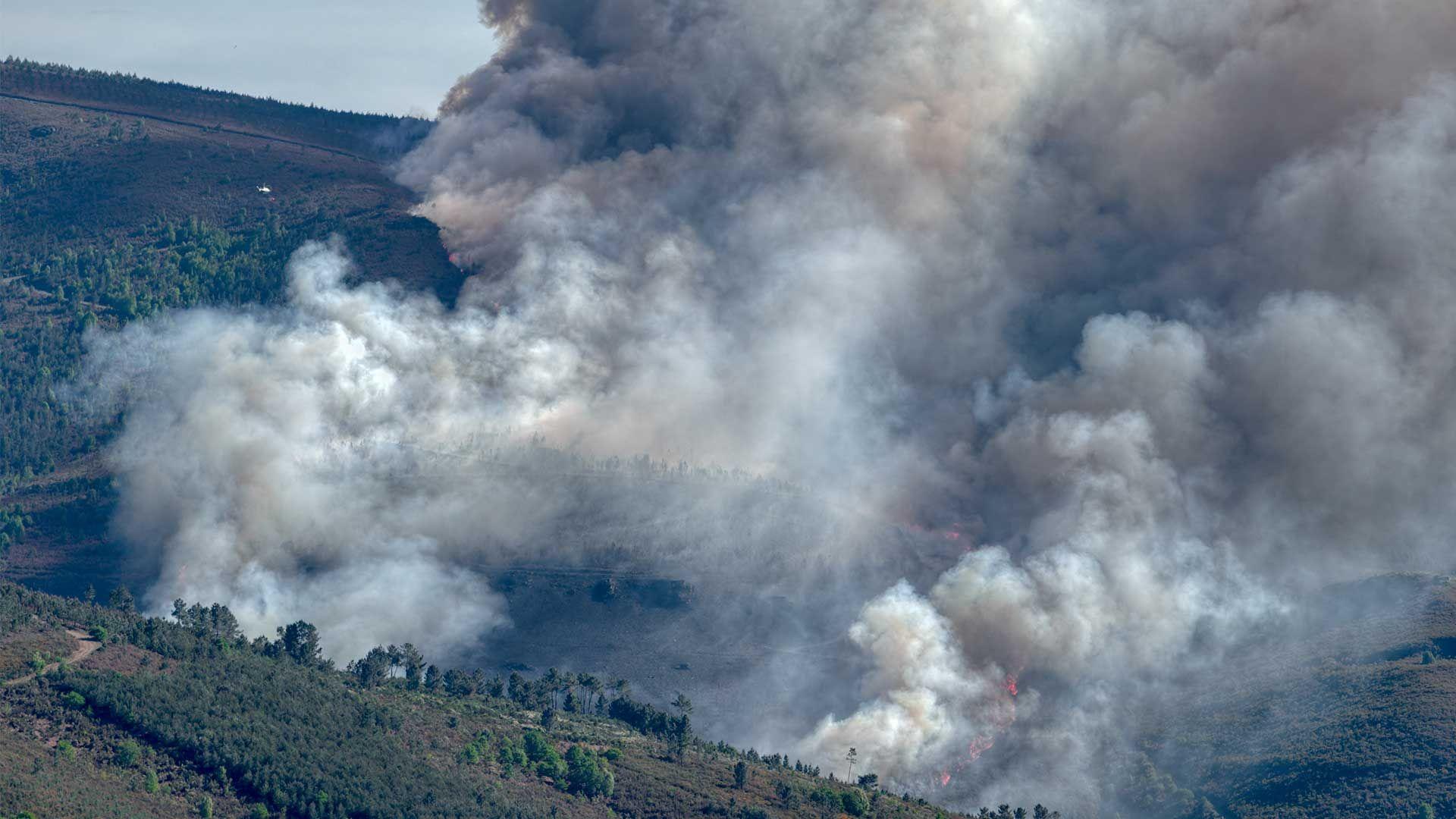
Wildfires release a complex mix of particulate matter, toxic gases, and carcinogenic compounds, posing significant health risks to exposed individuals. Smoke from burning vegetation, buildings, and synthetic materials can infiltrate indoor environments and linger for days to weeks, increasing the risk of respiratory, cardiovascular, neurological, and cancer-related health effects.
In wildfire-related litigation, an Industrial Hygiene Expert plays a crucial role in assessing exposure levels, evaluating contamination risks, and providing scientific evidence to support legal claims involving health impacts from wildfire smoke.
Key Health Risks from Wildfire Smoke Exposure
1. Respiratory Health Effects
Wildfire smoke contains fine particulate matter (PM2.5, PM10) that can penetrate deep into the lungs, affecting respiratory function. PM2.5 is particularly concerning because it can reach the alveoli and enter the bloodstream, whereas PM10 particles deposit in the upper and lower respiratory tracts. Exposure to wildfire pollutants can lead to:
- Irritation of the airways, causing coughing, throat irritation, and shortness of breath.
- Exacerbation of asthma and COPD symptoms.
- Increased susceptibility to respiratory infections due to impaired lung function.
Vulnerable Populations:
- Individuals with asthma, COPD, or other lung diseases.
- Children, elderly individuals, and pregnant individuals, who have more sensitive respiratory systems.
- Outdoor workers and first responders, who experience prolonged exposure to wildfire smoke.
2. Cardiovascular Risks
Recent studies have established a link between wildfire smoke exposure and increased cardiovascular risks, including heart attacks, strokes, and heart failure. Research indicates that inhalation of fine particulate matter and toxic gases can:
- Increase the risk of heart attacks and strokes, particularly in individuals with pre-existing heart conditions.
- Elevate blood pressure and heart rate due to systemic inflammation caused by inhaled pollutants.
- Reduce oxygen supply to the heart and lungs, potentially leading to long-term cardiovascular complications.
An Industrial Hygiene Expert is often consulted in litigation to assess whether toxic smoke exposure contributed to cardiovascular complications in affected individuals.
3. Neurological Effects from Toxic Exposure
Emerging research suggests that wildfire smoke exposure may lead to both short-term cognitive impairments and potentially long-term neurological effects. Studies have linked wildfire smoke exposure to:
- Cognitive impairments, such as headaches, dizziness, and difficulty concentrating.
- Potential neurotoxic effects from exposure to lead, arsenic, and carbon monoxide.
- Increased anxiety and stress-related disorders due to prolonged exposure to hazardous air.
Populations at Risk:
- Firefighters and emergency responders, who are frequently exposed to toxic smoke.
- Individuals near industrial fires, where burning synthetic materials release harmful neurotoxins.
Although more research is needed to confirm long-term neurological damage, Industrial Hygiene Experts provide exposure assessments in litigation where cognitive or neurological impairment is suspected due to wildfire smoke exposure.
4. Cancer Risks from Wildfire Smoke Exposure
Recent studies suggest that prolonged exposure to wildfire smoke may be associated with a slightly increased risk of certain cancers, including lung and brain cancer. However, further research is needed to confirm these findings. Wildfire smoke contains known carcinogens, including:
- Benzene and Formaldehyde – Found in wildfire smoke, linked to leukemia and other blood cancers.
- Polycyclic Aromatic Hydrocarbons (PAHs) – Present in charred organic materials, associated with lung and bladder cancer.
- Dioxins and Furans – Released when synthetic materials burn, potentially increasing cancer risks from long-term exposure.
The National Cancer Institute confirms that these substances are classified as carcinogenic, though further studies are needed to determine direct causation from wildfire smoke exposure.
An Industrial Hygiene Expert can conduct environmental sampling, exposure assessments, and risk evaluations in cases where cancer has been linked to repeated wildfire smoke exposure.
How an Industrial Hygiene Expert Assesses Exposure Levels
An Industrial Hygiene Expert provides critical evaluations in wildfire-related litigation by conducting scientific assessments of exposure risks.
1. Air Sampling and Toxicity Testing
- Measuring PM2.5 and PM10 levels to assess air quality.
- Testing for VOCs, benzene, and formaldehyde in indoor and outdoor environments.
- Assessing heavy metal contamination from burned urban structures.
2. Biological Monitoring for Toxin Exposure
- Blood and urine tests to detect lead, arsenic, and other heavy metals.
- Lung function tests for individuals exposed to wildfire pollutants.
- Medical record analysis to link symptoms to toxic exposure.
3. Occupational Exposure Assessments
- Evaluating firefighter and worker exposure levels in wildfire-affected areas.
- Determining compliance with OSHA safety limits for smoke exposure.
- Providing expert reports for legal claims related to workplace safety violations.
Legal Implications of Wildfire Smoke Exposure
Wildfire smoke exposure is a major legal issue in cases involving:
- Personal injury claims related to respiratory damage, cardiovascular disease, or toxic exposure.
- Workers' compensation disputes for firefighters and emergency responders suffering from chronic illnesses.
- Property contamination cases where indoor air quality poses long-term health risks for building occupants.
Attorneys rely on an Industrial Hygiene Expert to:
- Provide exposure data and scientific reports.
- Testify on the health risks associated with wildfire smoke.
- Validate remediation requirements for contaminated properties.
Why Attorneys Need an Industrial Hygiene Expert
For attorneys handling wildfire-related health litigation, an Industrial Hygiene Expert provides:
- Expert air quality analysis for toxic exposure claims.
- Scientific evaluations of smoke-related health risks.
- Professional testimony on exposure levels and long-term impacts.