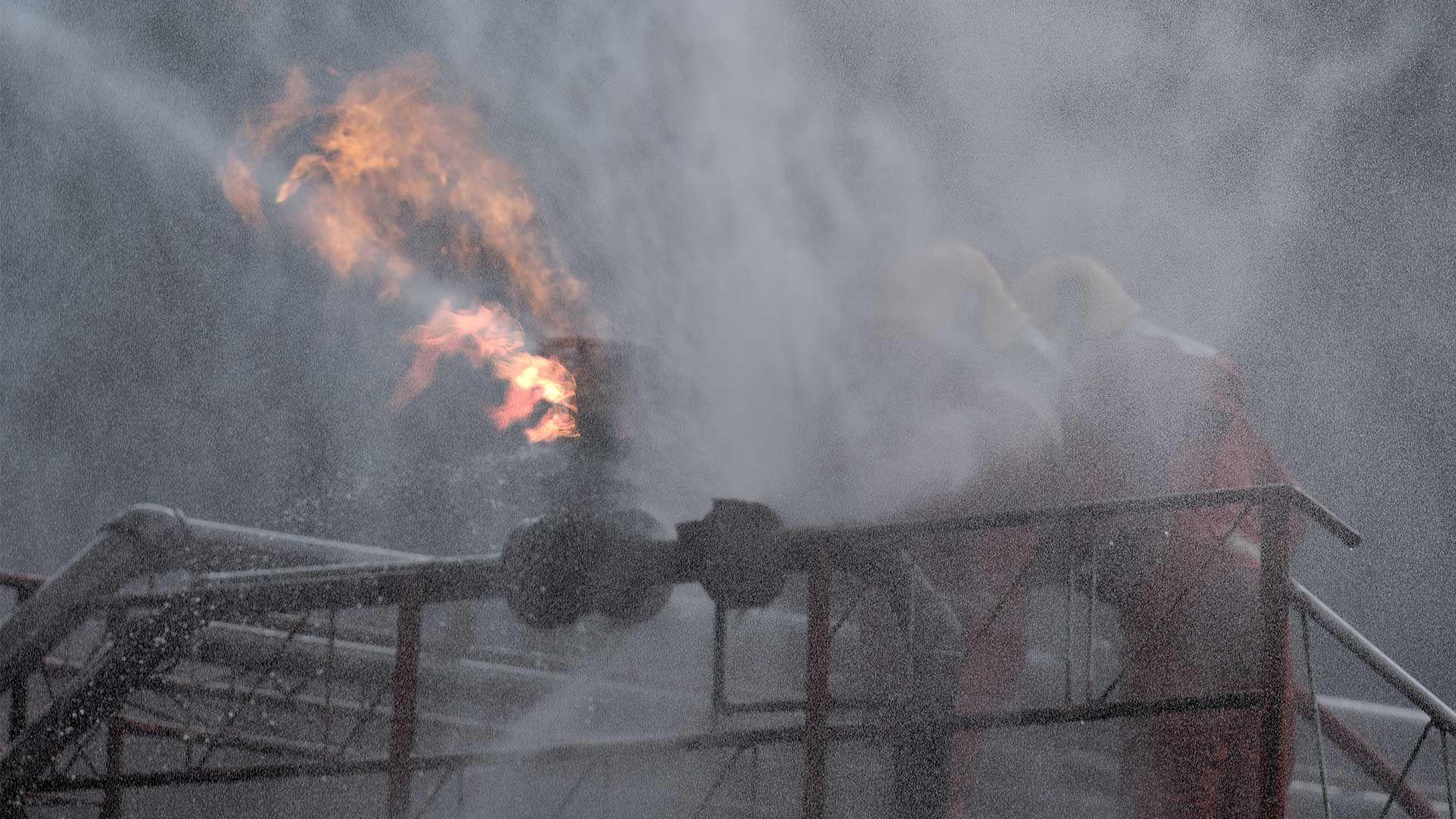
After a gas pipeline explosion, the pressure to explain what happened is immediate. Residents may blame the gas utility. Pipeline operators may point to outside damage. Contractors may deny responsibility. Everyone wants answers, but quick assumptions can push a case in the wrong direction before the technical record is complete.
Pipeline failures rarely have one simple explanation. A release can involve excavation damage, corrosion, equipment failure, material or weld failure, natural force damage, incorrect operation, other outside force damage, or several issues working together.
This guide explains why gas pipeline accident claims require careful technical investigation, reliable expert analysis, and a disciplined approach to causation.
Why Surface-Level Blame Can Mislead Pipeline Accident Cases
A gas pipeline accident may look simple at first. Gas escaped, a hazard developed, and people or property may have been harmed. But that sequence does not explain why the release happened, who controlled the relevant part of the system, or whether any party failed to meet the duties that applied in that case.
A reliable investigation usually asks:
- What type of pipeline system was involved, and which parties had responsibilities related to mapping, marking, installation, operation, or maintenance?
- Did excavation, boring, grading, or construction activity occur nearby?
- Were utility locate records, one-call tickets, maps, or field markings available for review?
- Was there evidence of corrosion, coating damage, material failure, weld failure, or component problems?
- Did natural forces, emergency response, pressure changes, operations, or reporting practices contribute?
- Were prior repairs, inspections, complaints, or warning signs documented?
For attorneys, the risk is not just missing evidence. It is building the wrong case theory too soon. A damaged or corroded pipe may point investigators in one direction, but records, locate practices, pressure history, inspections, and prior repairs can tell a more complicated story.
A strong investigation does not stop at the damaged pipe. It looks at the full chain of events.
Common Causes of Gas Pipeline Accidents
Gas pipeline failures can arise from several cause categories, including corrosion, excavation damage, incorrect operation, equipment failure, material or weld failure, natural force damage, and other outside force damage.
Those categories help attorneys organize the investigation. They should not become shortcuts. Pipeline performance data can help attorneys identify common risk patterns, but it does not prove what happened in a specific case. The facts, records, physical evidence, and expert methodology still matter most.
Excavation and Third-Party Damage
Excavation damage is a recognized pipeline failure cause and remains an important concern in pipeline safety cases. It can arise during digging, trenching, directional drilling, landscaping, utility work, road construction, or other work near underground lines.
The damage is not always obvious at first. A scrape, dent, coating breach, or gouge can raise integrity questions and may contribute to later failure, depending on the condition of the pipe and the surrounding facts. That is why one-call tickets, utility maps, locate marks, contractor logs, photos, repair history, and witness statements can become important evidence.
In excavation-related cases, attorneys often examine mapping, locate marks, contractor practices, and warning signs to understand how the damage occurred.
Corrosion and Coating Failure
Buried gas pipelines may be protected by coatings, cathodic protection, corrosion-control programs, and, for pipelines subject to federal integrity management requirements, more formal assessment and repair programs. Even with those protections, corrosion can develop when systems fail, coatings deteriorate, the surrounding environment promotes corrosion, or earlier damage exposes the pipe.
Corrosion cases may require expert review of metal samples, soil conditions, coating performance, pressure records, maintenance history, inspection data, and repair decisions. The expert should connect the condition of the pipe to the actual failure, not rely only on the general fact that corrosion can cause pipeline incidents.
Equipment, Valve, Meter, and Regulator Issues
Some incidents involve meters, regulators, valves, joints, fittings, service connections, or pressure-control problems. A vehicle impact, improper installation, component failure, or pressure-control issue can create a dangerous release.
These disputes can call for mechanical engineering, pipeline operations, or human factors analysis, depending on the facts. A case involving a failed fitting may require a different expert approach than a case involving delayed shutoff, poor communication, or an incorrect field response.
Material, Weld, or Manufacturing Issues
A pipeline may fail because of a material failure, weld problem, design issue, manufacturing issue, or construction error. These failures can be hard to prove because key evidence may be underground, damaged by the incident, changed during emergency response, or removed during repair.
Experts often look at the fracture surface, weld quality, pressure history, installation records, component specifications, and how the evidence was handled after removal. If a pipe segment is cut, discarded, cleaned, altered, or stored without proper documentation, it becomes harder to defend the expert’s opinion later.
Natural Forces and Environmental Conditions
Floods, landslides, earthquakes, erosion, earth movement, and severe weather can damage pipeline systems. These conditions can raise questions about exposed lines, soil support, corrosion-related conditions, and whether protective action was reasonable under the circumstances.
Natural force cases often require attorneys and experts to separate unavoidable event damage from preventable risk. The legal question may turn on whether a party should have known about a hazard, inspected the area, protected the line, taken protective action, or responded after warning signs appeared.
A natural event does not automatically end the liability analysis. It often changes the questions attorneys and experts need to ask.
When Can a Gas Company or Pipeline Operator Be Liable?
A gas company or pipeline operator may be responsible when the evidence shows improper installation, inadequate inspection, poor maintenance, delayed repair, inaccurate records, safety-rule violations, or an unreasonable response to known hazards.
Federal pipeline safety regulations can help identify duties and standards that apply. Depending on the jurisdiction and claims, attorneys may also need to examine state rules, local requirements, utility tariffs, and industry practices.
Simply owning or operating the line does not answer the whole question. The stronger question is whether the operator breached an applicable duty under the relevant rules, records, warnings, and field conditions, and whether that breach caused or contributed to the incident.
Attorneys should also avoid assuming that one party’s involvement rules out another party’s responsibility. A contractor accidentally hitting a buried pipeline, for example, can raise issues involving the general contractor overseeing the project, the subcontractor doing the actual digging, the utility locator, the pipeline operator, prior repair crews, or others, depending on how the work was organized. The answer depends on the evidence.
Why Expert Testimony Often Controls the Case
Expert testimony often drives gas pipeline accident cases because causation is technical. Attorneys may need experts in pipeline engineering, metallurgy, corrosion, fire origin and cause, excavation practices, gas operations, human factors, or pipeline safety regulations and practices.
Federal Rule of Evidence 702 sets the admissibility standard for expert testimony in federal court. Under the rule, the proponent has to show the court that it is more likely than not that the expert is qualified by knowledge, skill, experience, training, or education; that the expert's knowledge will help the trier of fact understand the evidence or decide a fact in issue; that the opinion rests on sufficient facts or data; that the testimony is the product of reliable principles and methods; and that those principles and methods were reliably applied to the facts of the case. The 2023 amendment made clear that this burden applies to every one of these requirements, including the qualification requirement itself.
That standard matters because pipeline cases often involve competing explanations. One side may argue that excavation damage caused the release. Another may point to corrosion, pressure issues, poor maintenance, material failure, natural force damage, or emergency-response failures.
A weak causation theory may look workable early in the case, but it can become vulnerable when the expert’s methodology is tested. That is why expert vetting should focus on methodology, not just credentials.
Common expert-vetting failures include:
- Building opinions on unsupported assumptions instead of case-specific evidence.
- Skipping key site or component inspections.
- Failing to address alternative causes.
- Using general pipeline performance data as a substitute for case-specific proof.
- Ignoring records that contradict the expert’s theory.
- Reaching conclusions that go beyond what the physical evidence can support.
When offering a causation opinion, a strong expert does more than identify a possible cause. The expert explains why that cause fits the evidence better than competing explanations. A defensible opinion should connect the physical evidence, records, inspection history, pressure data, and technical principles to the conclusion.
What Evidence Should Attorneys Preserve Early?
Pipeline evidence can disappear quickly. Emergency repairs, cleanup, weather, excavation, and routine operations can change the scene before experts have a chance to inspect it.
Attorneys should act quickly to preserve records and materials that may bear on causation, operations, maintenance, excavation activity, or expert review, such as:
- Pipe segments, valves, meters, regulators, fittings, and failed components.
- Photos, videos, scene diagrams, and witness statements.
- Utility locate records, one-call documentation, maps, and contractor logs.
- Maintenance, inspection, pressure, odorant, repair, and emergency response records.
- Soil, corrosion, metallurgical, and scene-condition evidence.
- Chain-of-custody documentation for removed components.
- Communications between operators, contractors, emergency responders, utilities, and regulators.
When evidence is destroyed, repaired, moved, or poorly documented, it becomes harder to defend the expert’s opinion. If litigation is reasonably expected, attorneys may also need to consider preservation duties under the law that applies to the case.
Early preservation helps experts separate assumptions from evidence. It also gives attorneys a clearer path for discovery, liability analysis, and case strategy.