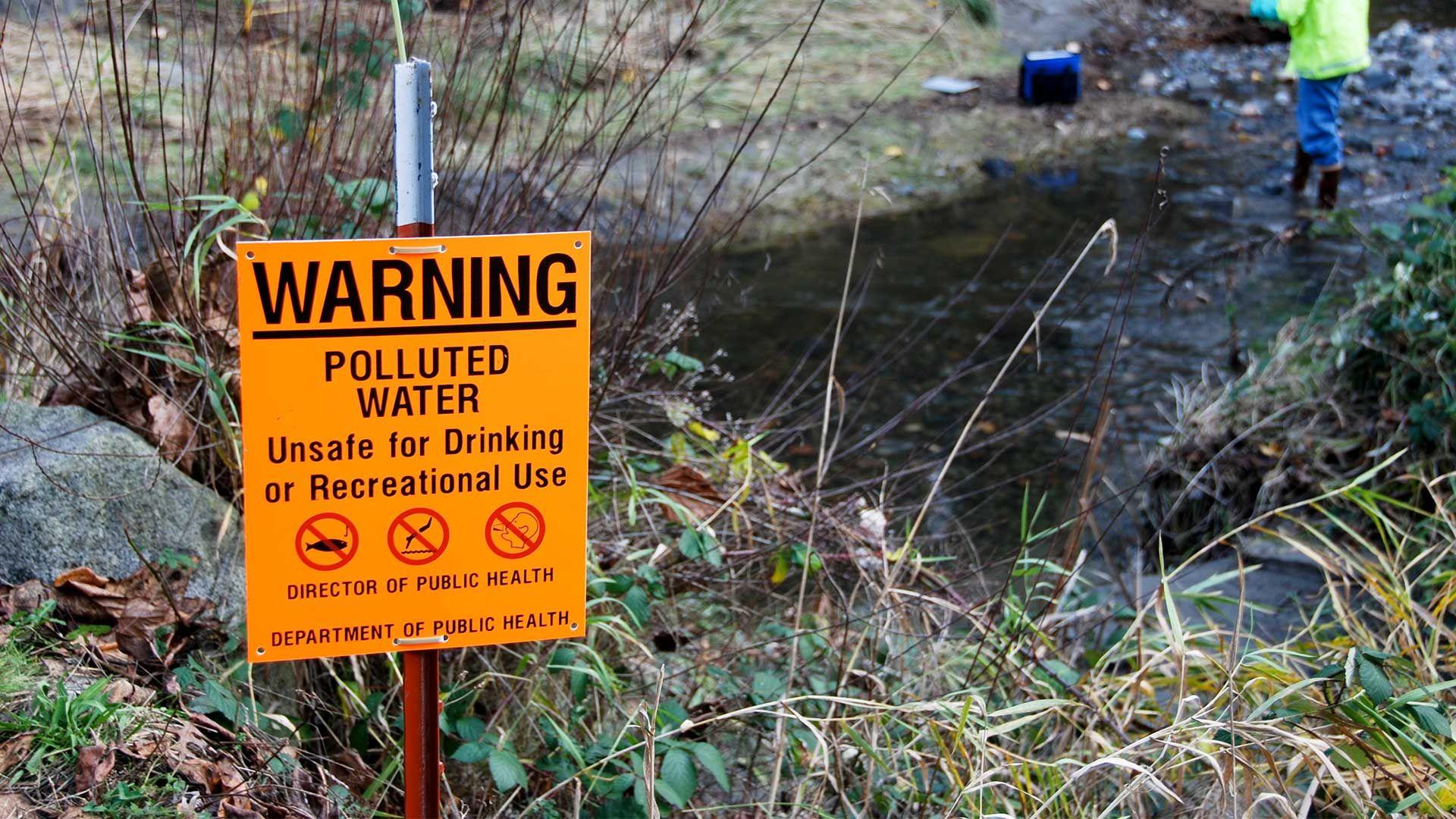
Groundwater contamination associated with residential housing developments can create significant environmental, legal, and public health concerns, particularly when development activities intersect with hazardous substances, stormwater discharges, failing wastewater systems, or historical contamination conditions.
For attorneys and environmental professionals, these disputes often involve difficult questions about causation, remediation obligations, regulatory compliance, and long-term damages. These cases frequently depend on scientific evidence and expert testimony involving hydrogeology, environmental engineering, toxicology, and remediation science.
In many situations, contamination is not discovered until years after a development project is completed. A residential subdivision may be built near a former industrial site, agricultural property, landfill, or older commercial facility, only for homeowners to later discover contamination in private wells or nearby groundwater supplies. These disputes often evolve into complicated litigation involving multiple potentially responsible parties, historical contamination questions, and competing expert opinions about where the contamination originated and when migration occurred.
This article explains how groundwater contamination claims arise from housing developments, the legal liability issues commonly involved, the remedies available to affected parties, and the cleanup approaches frequently discussed in environmental litigation.
Key Sources of Groundwater Pollution in Residential Development Projects
Groundwater contamination occurs when pollutants migrate through soil and enter underground aquifers or water sources. In residential developments, contamination may occur during construction, after occupancy, or through long-term infrastructure failures.
Environmental investigations involving residential developments may involve issues such as:
- Leaking underground storage tanks
- Improper disposal of construction chemicals
- Septic system failures
- Fertilizer and pesticide runoff
- Stormwater runoff and infiltration carrying pollutants into groundwater
- Petroleum spills from construction equipment
- Faulty wastewater systems
- Disturbance of contaminated soil during excavation
- Migration of contamination from nearby industrial, agricultural, landfill, or commercial properties
Many lawsuits involving residential developments focus on allegations that developers failed to conduct adequate environmental due diligence before construction began.
Projects built near former industrial sites, agricultural operations, dry-cleaning facilities, landfills, or older commercial properties may present higher contamination risks. In some disputes, the contamination predates the residential project itself, creating allocation disputes among current owners, prior owners, contractors, municipalities, and other parties connected to the site.
Why Groundwater Contamination Litigation Continues to Evolve
Several environmental and regulatory developments may continue influencing groundwater contamination disputes in 2026, particularly as residential development expands into previously industrial or environmentally sensitive areas and regulators continue focusing on groundwater protection and drinking water quality.
Residential Expansion into Higher-Risk Areas
Rapid suburban growth has pushed construction into environmentally sensitive locations, including former industrial land, agricultural properties, and regions with vulnerable aquifers.
As development expands into previously undeveloped or repurposed areas, environmental risks associated with groundwater migration and hazardous substances may become more significant.
Aging Underground Infrastructure
Many residential communities still rely on aging sewer systems, septic systems, and underground utility infrastructure. As these systems deteriorate, they can contribute to long-term groundwater pollution that may remain undetected for years.
Continued PFAS Regulation and Litigation
Per- and polyfluoroalkyl substances (PFAS), commonly known as “forever chemicals,” remain a major focus of environmental litigation nationwide.
Federal and state regulators continue focusing on PFAS contamination near residential communities. EPA drinking water regulations and ongoing regulatory developments involving certain PFAS compounds may affect litigation strategy, remediation planning, and potential liability exposure for developers, municipalities, manufacturers, and property owners. Regulatory requirements involving PFAS continue evolving, including proposed federal rule changes announced by EPA in 2026 affecting compliance timelines and certain PFAS drinking water standards.
PFAS disputes can become especially complicated because these chemicals may persist in the environment and, depending on site conditions, migrate through groundwater.
Environmental Enforcement and Regulatory Oversight
Federal and state agencies continue regulating groundwater protection, stormwater management, hazardous waste handling, and environmental permitting. As a result, developers may face both private civil litigation and regulatory enforcement actions arising from the same contamination event.
Common Legal Claims in Groundwater Contamination Cases
Groundwater contamination disputes often involve several overlapping legal theories depending on the jurisdiction, the nature of the contamination, and the damages involved.
Negligence Claims
Plaintiffs may argue that a developer, contractor, engineer, or property owner failed to exercise reasonable care in preventing contamination.
Examples may include:
- Failing to perform environmental testing
- Ignoring contamination warnings
- Improper storage of hazardous substances
- Violating environmental regulations
- Inadequate stormwater controls
Negligence claims frequently require expert testimony regarding accepted industry practices and whether the defendant’s conduct fell below professional standards.
Nuisance Claims
Depending on state law and the facts involved, contamination disputes may include nuisance-related allegations involving interference with property use, environmental conditions, or nearby water resources.
Trespass Claims
Some jurisdictions recognize environmental trespass claims when contaminants physically migrate onto neighboring property.
These disputes often require extensive scientific analysis to determine how contaminants moved and where the contamination began.
Strict Liability Claims
Strict liability may arise under CERCLA for certain cleanup-related claims, and some state-law claims may also involve strict liability theories depending on the activity and jurisdiction.
However, strict liability does not automatically apply in every groundwater contamination dispute. Applicability depends heavily on the legal claims asserted, state law, the nature of the activity involved, and the specific facts of the case.
Contract and Disclosure-Based Claims
Property purchasers may also pursue claims involving:
- Failure to disclose known contamination
- Misrepresentation during property sales
- Breach of warranties
- Violations of environmental disclosure obligations
Developers and sellers may face substantial exposure if evidence shows prior knowledge of environmental risks or incomplete disclosures during the transaction process.
Federal and State Environmental Laws That Commonly Apply
Several federal and state environmental laws frequently arise in groundwater contamination litigation involving residential developments.
CERCLA Liability
The Comprehensive Environmental Response, Compensation, and Liability Act (CERCLA), commonly called Superfund, establishes liability for releases of hazardous substances and authorizes environmental cleanup efforts.
Potentially responsible parties may include:
- Current property owners
- Former owners
- Operators
- Generators or parties that arranged for disposal or transport of hazardous substances
- Certain transporters that selected the disposal site
CERCLA disputes often involve difficult allocation issues among multiple parties, especially when contamination developed over many years.
Resource Conservation and Recovery Act (RCRA)
The Resource Conservation and Recovery Act (RCRA) regulates hazardous waste management, storage, transportation, and disposal practices.
RCRA may apply when contamination involves improper handling, storage, or disposal of hazardous materials connected to construction or site operations.
Clean Water Act Compliance
The Clean Water Act regulates discharges into waters of the United States and may apply to stormwater runoff, wastewater discharges, and certain construction activities connected to residential developments.
Construction projects that disturb one acre or more, or smaller projects that are part of a larger common plan of development or sale, generally require stormwater permit coverage when they discharge stormwater associated with construction activity under the National Pollutant Discharge Elimination System (NPDES).
Developers often face scrutiny over stormwater permitting obligations and sediment-control compliance during construction.
State Environmental Laws
States frequently maintain their own groundwater protection statutes, remediation programs, and environmental enforcement systems.
Some states impose cleanup standards that are more stringent than federal requirements, particularly in cases involving drinking water contamination or PFAS compounds.
Scientific Challenges in Proving Groundwater Contamination Claims
Groundwater contamination litigation depends heavily on scientific and technical evidence.
Plaintiffs generally must establish:
- The existence of contamination
- The source of contamination
- The migration pathway
- The responsible parties
- The resulting damages
Tracing underground contamination can be difficult because pollutants often migrate slowly, mix with preexisting contamination, or spread through complex groundwater systems over many years.
In some disputes, experts disagree over whether contamination originated from a current housing development, a neighboring industrial site, historical agricultural operations, or unrelated third parties. As a result, scientific causation disputes often become the central issue in litigation.
Experts Commonly Used in Groundwater Contamination Litigation
Environmental contamination disputes frequently require multiple experts from different scientific and technical disciplines.
Commonly used experts may include hydrogeologists, environmental engineers, toxicologists, remediation specialists, and real estate valuation professionals.
Hydrogeologists
Hydrogeologists evaluate groundwater flow, aquifer conditions, and contaminant migration patterns.
Their analysis may involve:
- Soil permeability
- Groundwater direction
- Aquifer characteristics
- Migration modeling
Hydrogeologists are often closely scrutinized during litigation because migration models may rely on incomplete historical groundwater data, changing site conditions, or disputed assumptions regarding contaminant movement.
Environmental Engineers
Environmental engineers often assess remediation methods, environmental compliance, and pollution-control systems.
They may evaluate:
- Site investigation procedures
- Engineering failures
- Cleanup effectiveness
- Regulatory compliance
Toxicologists
Toxicologists evaluate potential health effects associated with contaminated groundwater exposure.
Their opinions may address:
- Exposure pathways
- Toxicity levels
- Health risk assessments
- Long-term exposure concerns
Real Estate Valuation Experts
Valuation experts may analyze:
- Diminished property value
- Market stigma
- Loss-of-use damages
- Future resale impacts
Environmental Regulatory Experts
Regulatory experts may explain permitting requirements, agency standards, and environmental compliance obligations relevant to the project.
Groundwater remediation strategies depend on the contaminant involved, the geology of the site, and the severity of contamination.
Environmental remediation efforts may involve methods such as:
- Pump-and-treat systems
- Soil vapor extraction
- Bioremediation
- Monitored natural attenuation
- PFAS-related treatment technologies
The selection of a remediation method generally depends on site geology, contaminant type, groundwater conditions, regulatory requirements, and the feasibility of long-term cleanup objectives.
Pump-and-Treat Systems
Pump-and-treat remediation involves extracting contaminated groundwater for treatment before discharge, reinjection, or additional on-site management depending on applicable regulatory requirements and site conditions.
Although widely used, pump-and-treat systems may require extended operation periods depending on the size, geology, contaminant characteristics, and complexity of the contamination plume.
Soil Vapor Extraction
Soil vapor extraction uses vacuum systems to remove volatile contaminants from unsaturated soil zones and is commonly used in petroleum contamination cases. In some projects, it may also help reduce continuing groundwater contamination by removing contaminant sources located above the water table.
Bioremediation
Bioremediation uses microorganisms to break down contaminants naturally.
Environmental professionals may use engineered or enhanced bioremediation systems depending on site conditions and contaminant type.
Monitored Natural Attenuation
Some remediation programs rely on natural environmental processes to reduce contaminant concentrations over time while conditions remain closely monitored by environmental professionals and regulators.
PFAS Treatment Technologies
PFAS remediation and drinking water treatment efforts may involve technologies such as granular activated carbon, ion exchange treatment, and high-pressure membrane filtration systems including reverse osmosis. The effectiveness of these technologies may vary depending on the PFAS compounds involved, contaminant concentrations, and site-specific conditions.
These remediation efforts can remain technically difficult and expensive because PFAS compounds resist natural degradation and may persist in groundwater for extended periods.
Damages Available in Groundwater Contamination Litigation
Potential remedies and damages in groundwater contamination disputes may depend on the jurisdiction, the legal claims asserted, and the evidence presented.
Depending on the jurisdiction, applicable law, and evidence presented, parties may seek remedies or damages involving:
- Cleanup costs
- Property damage
- Diminished property value
- Injunctive relief
- Relocation expenses
- Business interruption losses
- Medical monitoring costs
- Regulatory penalties
The availability of certain remedies, including medical monitoring, punitive damages, and some economic-loss claims, may vary significantly by jurisdiction and the specific legal claims asserted.
Reducing Environmental Liability Exposure
Developers can reduce environmental exposure by implementing proactive compliance and risk-management measures early in the project lifecycle.
Examples of preventive measures may include:
- Conducting environmental site assessments
- Performing groundwater testing before development
- Maintaining stormwater compliance programs
- Retaining qualified environmental consultants
- Monitoring subcontractor waste-handling practices
- Documenting environmental due diligence
- Maintaining environmental insurance coverage
Early environmental investigation and thorough documentation are often important in reducing future litigation risks.
Why Expert Witnesses Play a Central Role in These Cases
Groundwater contamination disputes frequently involve highly technical scientific evidence that judges and juries may find difficult to evaluate without expert guidance.
Expert witnesses can help explain:
- How contamination occurred
- Whether contamination migrated from a particular source
- The reliability of testing methods
- The adequacy of remediation efforts
- Compliance with environmental regulations
- The extent of damages
Courts may evaluate expert testimony under Federal Rule of Evidence 702 and the Daubert framework to determine whether proposed opinions are sufficiently reliable and relevant.
Under Rule 702, the proponent of expert testimony must demonstrate that the opinion is based on sufficient facts or data, reflects reliable principles and methods, and has been reliably applied to the facts of the case. The proponent must also establish admissibility by showing it is more likely than not that the Rule 702 requirements are satisfied.
Courts applying Daubert may consider several factors, including testing, peer review, known or potential error rates, and general acceptance within the relevant scientific community.
In environmental contamination cases, disputes frequently arise over groundwater modeling assumptions, sampling reliability, contaminant migration theories, and the adequacy of site investigations.
Because causation disputes are often heavily contested, expert credibility can significantly influence litigation outcomes.
Conclusion
Groundwater contamination disputes involving housing developments continue evolving in 2026 as environmental regulations, PFAS-related rulemaking, and scientific investigation methods continue developing.
These cases often involve substantial financial exposure, contested causation issues, and long-term remediation obligations. Developers, municipalities, insurers, and property owners often must navigate overlapping environmental regulations, technical evidence, and competing expert opinions.
Because groundwater contamination litigation depends heavily on scientific analysis and regulatory interpretation, qualified expert witnesses frequently play a central role in evaluating liability, causation, remediation, and damages.