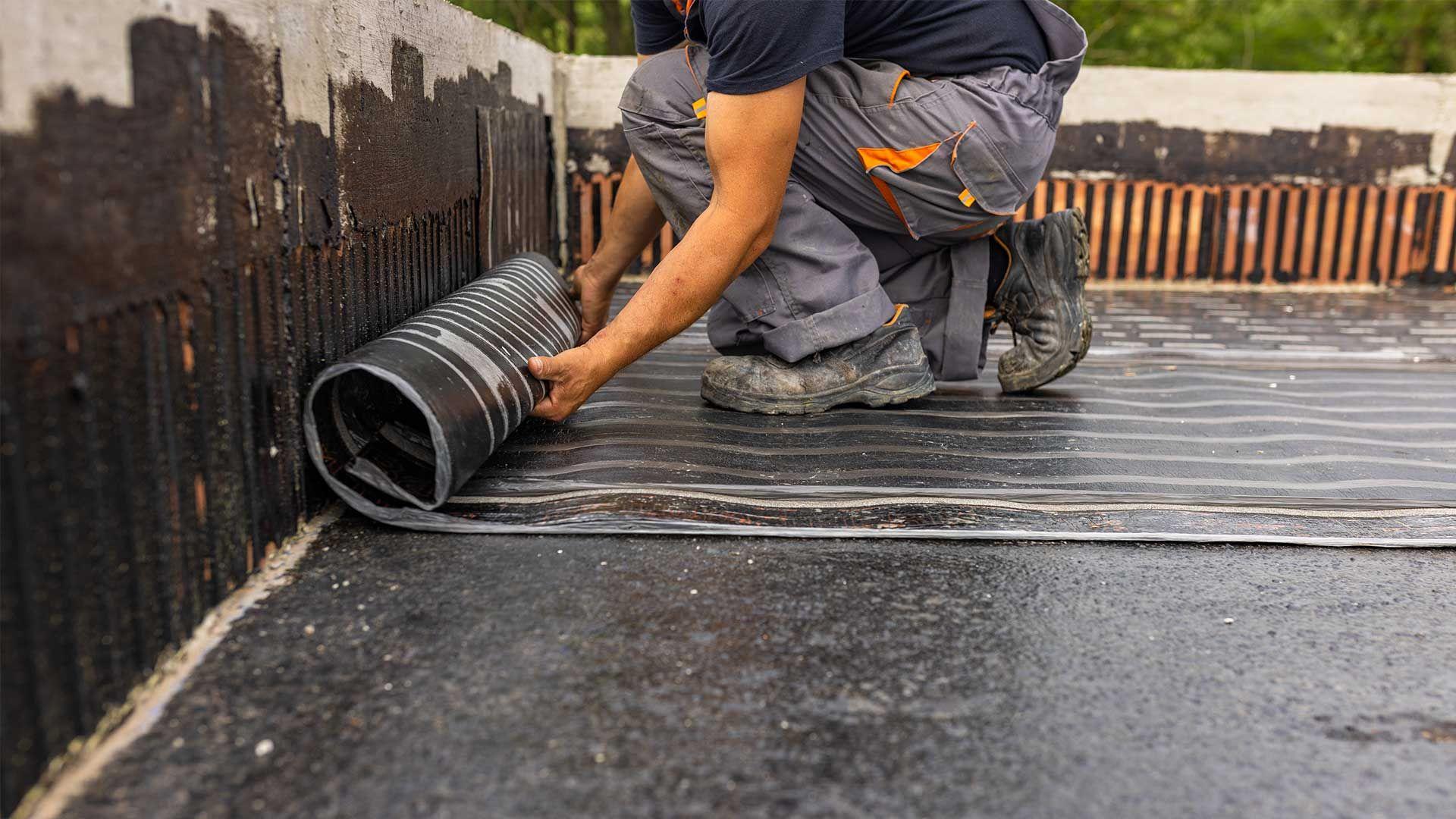
Roofing and waterproofing systems protect a building from weather exposure, moisture intrusion, and long-term deterioration. When these systems fail, consequences can include structural decay, interior water damage, mold, and significant repair costs. In construction defect cases, attorneys often rely on roofing engineers, building envelope specialists, and construction management experts to determine the cause of failure and allocate responsibility.
This guide explains the most common modes of roofing and waterproofing defects, how experts prove causation, and key considerations for attorneys handling California construction defect claims.
Understanding Roofing and Waterproofing Systems
Roofing and waterproofing assemblies must work together to keep moisture out of the structure. These systems are expected to:
- Prevent water from entering the building
- Maintain performance during wind, rain, heat, and temperature changes
- Manage moisture vapor through proper ventilation
- Integrate with adjacent components such as flashing, parapets, drains, and penetrations
- Comply with applicable building codes and manufacturer requirements
Defects often arise when one of these performance categories breaks down. In practice, the most frequent failures stem from deviations in design, poor installation, inconsistent field verification, product deficiencies, or lack of maintenance.
I. Common Roofing Defects in Construction Cases
1. Improper Installation
Improper installation is one of the leading causes of roofing failure. Examples include:
- Misaligned shingles or tiles
- Underlayment or membrane laps that do not meet minimum overlap requirements
- Incorrect fastening patterns
- Unsealed penetrations at vents or mechanical units
- Failure to follow manufacturer instructions
Experts often use roof core sampling, moisture mapping, and field measurements to compare the installation to required standards.
2. Flashing Deficiencies
Flashing protects vulnerable junctions such as chimneys, skylights, transitions, and wall-to-roof interfaces. Common errors include:
- Missing or insufficient flashing
- Improperly installed step flashing
- Exposed or unsealed fasteners
- Material incompatibility leading to corrosion
Because flashing is frequently concealed, destructive testing or infrared scanning is often necessary to confirm conditions beneath the finished surfaces.
3. Drainage and Slope Problems
Roofing systems must allow water to drain properly. Defects include:
- Ponding water caused by inadequate roof slope
- Undersized or obstructed drains, scuppers, gutters, or downspouts
- Poorly designed overflow drainage
- Debris accumulation due to inadequate maintenance
Ponding water can accelerate membrane deterioration and may void manufacturer warranties.
4. Material and Product Failures
Examples include:
- Premature shingle cracking
- Blistering or delamination of membranes
- Coatings that fail adhesion requirements
- Products not designed for local climate conditions
These failures often require specialized testing and review of product data sheets.
5. Inadequate Ventilation
Poor ventilation can lead to:
- Accelerated aging of roofing materials
- Condensation and mold
- Structural wood rot
- Elevated attic moisture levels
Ventilation issues often appear when intake and exhaust systems are undersized, obstructed, or inconsistently installed.
II. Common Waterproofing Defects in Construction Cases
1. Below-Grade Waterproofing Failures
Below-grade waterproofing can fail when membranes, drainage system components, or structural joints are improperly installed. This often leads to seepage into basements, garages, or elevator pits.
2. Deck and Balcony Waterproofing Issues
Frequent issues include:
- Inadequate slope
- Cracked topping slabs
- Poor edge termination
- Membranes that are punctured, poorly bonded, or improperly lapped
These failures are especially common in multi-family residential construction.
3. Fenestration and Wall Penetration Defects
Typical causes include:
- Missing or incomplete flashing
- Improper sealant application
- Failure to integrate with weather-resistant barriers
These issues often require destructive testing to fully evaluate.
III. How Roofing and Waterproofing Defects Are Proven
1. Site Inspections and Technical Testing
Experts may use:
- Infrared thermal imaging
- Moisture meters
- Roof core sampling
- Destructive testing
- Drone inspections for large or inaccessible areas
These methods help determine the timing, location, and source of water intrusion.
2. Evaluation of Project Records
Key project documents include:
- Plans and specifications
- Product submittals and manufacturer instructions
- Inspection reports and daily logs
- RFIs, change orders, and warranties
Experts compare the intended design to the as-built construction.
3. Building Codes and Industry Standards
Experts frequently reference:
- Civil Code performance standards under California’s Right to Repair Act
- CSLB consumer guidance publications
- Industry-recognized roofing and waterproofing practices
Performance standards for roofing, waterproofing, and building envelope systems are detailed in Civil Code § 896, part of the broader statutory scheme in §§ 895–945.5.
4. Causation and Damage Analysis
Experts assess whether issues stemmed from:
- Workmanship defects
- Design omissions
- Product failures
- Owner maintenance issues
- Weather-related events
A complete analysis typically includes recommended repairs and cost estimates.
IV. Legal Considerations for Roofing and Waterproofing Defect Claims
California’s Right to Repair Act
California’s Right to Repair Act, codified at Civil Code §§ 895–945.5, establishes performance standards and statutory procedures for construction defect claims in new, for-sale residential homes purchased after January 1, 2003.
Specific water-intrusion performance standards for roofs, windows, decks, and building envelope systems are located in Civil Code § 896.
If these components fail to meet the statutory standards, pre-litigation notice, inspection, and repair procedures under Civil Code § 910 may apply, and damages may be recoverable as outlined in Civil Code § 944.
Correct Statute of Limitations Framework
The main time limits for bringing claims under the Act are found in Civil Code § 941, with additional component-specific periods embedded within § 896. Civil Code § 945.5, by contrast, identifies defenses and limitations on liability, not the statute of limitations itself.
Litigation Issues Commonly Encountered
Attorneys often address:
- Whether defects stem from workmanship, design, or maintenance
- The need for destructive testing
- Conflicting expert opinions
- Allocation of fault among multiple trades
- Expert admissibility and methodology
Comprehensive expert evaluation is crucial for establishing causation and damages.
Conclusion
Roofing and waterproofing defects can lead to extensive building damage and complex legal disputes. Understanding how these systems fail, the types of defects commonly encountered, and the methods experts use to prove causation helps attorneys build strong, well-supported claims. Early involvement of qualified experts is essential whenever water intrusion is suspected.