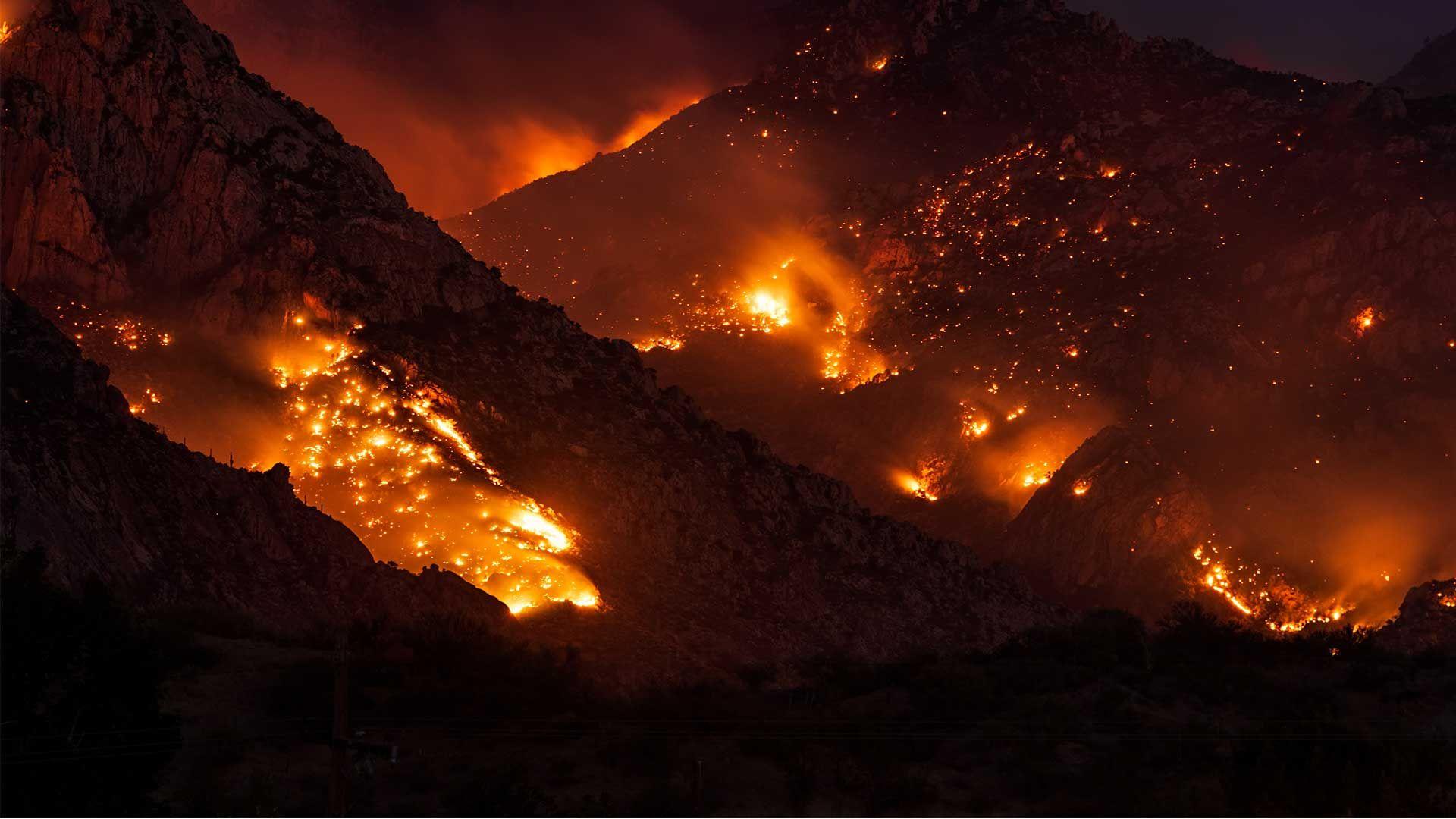
Wildfire litigation can present technically demanding issues involving scientific, engineering, financial, medical, and environmental evidence. Depending on the circumstances, a single case may involve property damage, personal injury, environmental claims, business losses, insurance disputes, agricultural losses, or wrongful death. It may also involve multiple parties, including utility companies, contractors, property owners, manufacturers, insurers, and government entities. Claims involving public entities may also be subject to jurisdiction-specific immunity rules, claims-presentation requirements, filing deadlines, and other procedural limitations.
Because these cases frequently turn on specialized scientific and technical evidence, expert witnesses often play a central role. They help attorneys, judges, and juries understand subjects that extend beyond ordinary knowledge, including fire origin, engineering, fire behavior, damages, environmental impacts, and medical causation. Their opinions can help explain whether the available evidence supports a particular theory of how a wildfire started, spread, or caused specific losses.
The experts needed in a wildfire lawsuit depend on the claims, defenses, jurisdiction, available evidence, and disputed issues in the case. Some matters may require only one expert, while others may involve several specialists addressing different technical questions.
This article explains how expert witnesses contribute to wildfire litigation, the types of experts attorneys may encounter, and important legal and practical considerations when presenting or challenging expert testimony.
Why Wildfire Litigation Can Be Complex
Wildfire lawsuits vary significantly in complexity. A relatively small property-damage claim may involve only a few disputed issues, while a large, multi-party case can require extensive investigation, technical analysis, and expert testimony across several disciplines.
Depending on the facts, attorneys may need to evaluate:
- Multiple potential ignition sources.
- Large volumes of physical and digital evidence.
- Engineering and infrastructure issues.
- Weather, terrain, and fire behavior.
- Property, business, medical, agricultural, or environmental damages.
- Competing expert opinions regarding causation.
Complex wildfire cases may also involve investigations conducted by different organizations. Fire agencies, insurers, utilities, and private investigators may each examine the same wildfire based on their respective responsibilities, available evidence, and investigative objectives. Attorneys often compare these investigations to determine where the findings agree, where they differ, and whether additional expert analysis is necessary.
No single expert typically addresses every technical issue in a complex wildfire case. Instead, different specialists contribute opinions within their respective areas of expertise. For example, one expert may evaluate fire origin and cause, another may analyze electrical equipment, while others assess structural damage, economic losses, medical issues, or environmental impacts. Coordinating these opinions can help present a technically consistent explanation of the disputed facts while preserving each expert's independent professional judgment.
Why Expert Witnesses May Matter in Wildfire Cases
Expert witnesses do not decide the outcome of a lawsuit or determine the governing law. Instead, they provide specialized opinions that may assist the court in understanding technical evidence and resolving disputed factual issues that fall outside the knowledge of most lay jurors.
Depending on the issues presented, experts may:
- Evaluate the probable origin and cause of a wildfire.
- Analyze whether engineering, utility equipment, vegetation conditions, or other technical factors are consistent with an alleged ignition scenario.
- Assess structural damage and repairability.
- Evaluate claimed business losses and economic damages.
- Explain medical conditions or environmental impacts when those issues are disputed.
- Interpret specialized scientific or technical evidence for the court.
In federal court, expert testimony is governed by Federal Rule of Evidence 702. The party offering the expert testimony must demonstrate to the court, by a preponderance of the evidence, that it is more likely than not that the testimony satisfies Rule 702's admissibility requirements. This includes showing that:
- The expert's specialized knowledge will help the trier of fact understand the evidence or determine a fact in issue.
- The testimony is based on sufficient facts or data.
- The testimony is the product of reliable principles and methods.
- The expert's opinion reflects a reliable application of those principles and methods to the facts of the case.
Satisfying Rule 702 addresses the admissibility of expert testimony, but it does not guarantee that the testimony will ultimately persuade the factfinder. If admitted, the judge in a bench trial or the jury in a jury trial determines the credibility of the expert and the weight to give the testimony. Expert opinions may also remain subject to other evidentiary or procedural objections, including relevance, authentication, disclosure requirements, or scheduling issues.
State courts apply their own evidentiary rules and controlling precedent, which may differ from the federal framework. Attorneys should therefore evaluate expert testimony under the applicable jurisdiction's rules rather than assuming federal standards automatically apply.
Types of Expert Witnesses Used in Wildfire Litigation
The experts involved in a wildfire case depend on the technical issues in dispute. Each expert should possess qualifications that directly relate to the opinions being offered rather than relying solely on a broad professional title or general experience.
Fire Origin and Cause Experts
Fire origin and cause investigators evaluate physical evidence, fire-scene observations, witness statements, photographs, documentation, and other investigative materials to determine whether the available evidence supports findings regarding the fire's origin, ignition source, or cause.
Wildfire investigations do not always produce a definitive answer. In some cases, evidence may be incomplete, altered by fire progression, affected by weather, or changed during suppression activities and recovery efforts. A professionally conducted investigation may appropriately conclude that the available evidence is insufficient to determine the origin or cause of the wildfire.
Qualified experts may also reach different conclusions when the available evidence reasonably supports more than one scientifically plausible interpretation. Disagreement alone does not necessarily make an opinion unreliable. Courts instead examine whether each opinion is supported by sufficient facts, reliable methodology, and a reliable application of accepted investigative principles.
Electrical Engineering and Utility Experts
When utility equipment is alleged to have contributed to a wildfire, qualified electrical engineers or utility experts may evaluate electrical equipment, inspection records, operating information, maintenance documentation, protection systems, and physical evidence to determine whether the available evidence is technically consistent with an alleged ignition scenario.
Their work does not automatically establish that utility equipment caused the fire. Instead, these experts evaluate whether the proposed ignition mechanism is supported by engineering principles and the available evidence while considering reasonable alternative explanations.
In many cases, electrical engineering opinions are evaluated alongside findings from fire origin and cause investigators and, where appropriate, fire behavior specialists, allowing attorneys to compare engineering evidence with observations made at the fire scene.
Forestry and Vegetation Management Experts
Forestry and vegetation specialists may evaluate vegetation conditions, fuel characteristics, maintenance practices, historical site conditions, and other relevant information to determine whether they are consistent with competing theories regarding ignition risk or fire spread.
Their opinions can provide important scientific context. However, the mere presence of vegetation near utility equipment or structures does not automatically establish negligence or legal causation. The legal significance of vegetation conditions depends on the applicable law, regulatory requirements, property rights, contractual obligations, industry standards, and all other evidence presented in the case.
Meteorologists and Fire Behavior Specialists
Meteorologists analyze weather conditions such as wind speed, wind direction, humidity, precipitation, and temperature that may have influenced a wildfire.
Fire behavior specialists evaluate how weather, terrain, available fuels, and fire dynamics affected the wildfire's development, movement, intensity, or rate of spread. Their analyses are typically considered together with physical evidence, scene observations, and findings from fire origin and cause investigators.
These experts may assist attorneys in evaluating competing theories regarding fire spread, timing, or progression. However, weather evidence or fire behavior analysis alone ordinarily does not establish the origin or ignition source of a wildfire.
How Expert Witnesses Help Establish Liability
Expert witnesses help attorneys connect technical evidence to the factual issues that underlie legal claims. They explain specialized scientific or engineering concepts, evaluate competing technical opinions, and assess whether the available evidence supports a particular theory of the case.
Depending on the facts presented, experts may evaluate issues such as:
- Whether the available evidence supports a proposed ignition source.
- Whether utility equipment functioned consistently with an alleged ignition scenario.
- Whether vegetation conditions or other environmental factors are relevant to competing causation theories.
- Whether engineering evidence, physical evidence, witness testimony, and documentary evidence are consistent with one another.
- Whether competing technical explanations are supported by reliable methodology and sufficient facts or data.
Experts may also evaluate opinions offered by opposing witnesses and identify differences in assumptions, investigative methods, factual foundations, or technical analysis.
Federal Rule of Evidence 704 provides that an expert opinion is not automatically inadmissible simply because it embraces an ultimate factual issue. However, experts generally should not instruct the court or jury on the governing law or offer bare legal conclusions, such as stating that a party was legally negligent or legally liable. Attorneys remain responsible for explaining how the admissible evidence satisfies the applicable legal standards governing duty, breach, causation, and damages.
How Experts Help Quantify Damages
Determining damages after a wildfire often requires expertise from several disciplines. Visible property damage is only one part of the analysis. Depending on the claims involved, attorneys may also need to address business losses, environmental impacts, medical injuries, agricultural losses, and future damages.
Qualified experts help evaluate whether the available evidence supports the damages being claimed and whether accepted methods have been used to estimate those losses.
Depending on the issues in dispute, experts may evaluate:
- Structural damage to residential or commercial property.
- Repair or replacement costs.
- Personal property losses.
- Business interruption and other claimed economic losses.
- Environmental damage and remediation needs.
- Agricultural or forestry losses.
- Claimed future damages supported by reliable evidence.
- Medical injuries and anticipated future treatment.
The appropriate expert should match the specific damages at issue rather than relying on one professional to address subjects outside that person's expertise. Likewise, the legally recoverable measure of damages depends on the governing law, the claims asserted, and the evidence presented. Expert calculations alone do not determine whether a particular category of damages is legally recoverable.
Structural Engineers and Construction Experts
Structural engineers may evaluate whether buildings or other structures remain safe, determine whether observed conditions are consistent with fire-related damage or pre-existing conditions, and assess whether repairs are technically feasible.
Construction professionals, estimators, or cost experts may then evaluate the scope and cost of repair or reconstruction based on the engineering findings.
These technical opinions help attorneys understand the extent of the claimed property damage. However, engineering conclusions do not independently establish the legal measure of damages or the amount ultimately recoverable.
Economic and Financial Experts
When a wildfire allegedly causes financial harm, attorneys may retain economists, forensic accountants, business valuation professionals, or other qualified financial experts.
Depending on the damages being claimed, these experts may evaluate:
- Claimed business interruption losses.
- Claimed lost profits.
- Additional expenses resulting from the wildfire.
- Claimed changes in business value.
- Other alleged economic losses.
Reliable financial opinions generally rely on available business records, transparent assumptions, and accepted analytical methods. Financial experts may estimate or evaluate claimed losses, but their opinions do not independently establish legal causation or recoverability.
Medical Experts
When personal injury claims are involved, appropriately qualified medical professionals may explain diagnoses, prognosis, treatment needs, permanent impairment, future medical care, and other medical issues supported by the available evidence.
Different issues may require different medical specialties. Diagnosis, toxicology, exposure assessment, psychological injuries, and specific medical causation may each require different expertise depending on the claims presented.
Medical opinions should be based on information relevant to the particular opinion being offered, which may include medical history, treatment records, diagnostic testing, clinical findings, and, where applicable, reliable exposure evidence.
Environmental Experts
Environmental specialists may evaluate the nature, extent, duration, and potential remediation of alleged environmental harm. Depending on the case, they may assess whether the available evidence supports claims involving soil, vegetation, water resources, wildlife habitat, air quality, or other environmental impacts.
Their opinions help explain technical environmental issues. However, the availability and measure of legal recovery remain questions governed by the applicable law, the asserted claims, and the evidence presented.
Technology Used in Modern Wildfire Litigation
Advances in technology continue to expand the types of evidence available in wildfire investigations. These tools can assist experts in evaluating technical issues, but they supplement rather than replace traditional investigative methods, physical evidence, and professional judgment.
Drone Documentation
When available, drone imagery may provide an aerial record of wildfire conditions shortly after an incident.
Depending on the circumstances, aerial photographs may document:
- Fire progression.
- Damaged structures.
- Utility infrastructure.
- Terrain.
- Vegetation conditions.
- Other site conditions before cleanup or reconstruction.
The timing of aerial documentation may significantly affect its usefulness because wildfire scenes often change rapidly.
If drone imagery is offered as evidence, the parties may need to establish an adequate evidentiary foundation, including the circumstances surrounding the imagery's creation, timing, location, processing, and accuracy. Authentication alone does not necessarily resolve disputes concerning completeness, enhancement, interpretation, or evidentiary weight.
Geographic Information Systems (GIS) and Satellite Data
When appropriate information is available, qualified experts may use Geographic Information Systems (GIS), mapping technology, or satellite imagery to compare a proposed fire-spread scenario with geographic, meteorological, and environmental conditions.
These analyses often integrate multiple sources of information rather than relying on a single dataset. Their usefulness depends on the quality of the underlying data, the assumptions used, the methodology employed, and how reliably the expert applied that methodology to the facts of the case.
Fire Modeling
Computer-based fire modeling may be used to evaluate whether a proposed fire-spread scenario is consistent with selected data and scientific assumptions.
Courts evaluating this type of expert testimony may consider factors such as:
- The factual basis for the model.
- The assumptions used.
- Data quality.
- Validation of the methodology.
- The limitations of the model.
- The reliability of the expert's application of the model.
A fire model is a representation based on selected inputs, assumptions, and scientific principles. Even when used to reconstruct past fire behavior, it should not be treated as a direct recording of the actual wildfire. Modeling results should always be considered alongside physical evidence, witness testimony, and the expert's underlying methodology.
Digital Evidence
Modern wildfire litigation frequently involves substantial documentary and electronic evidence, including inspection records, maintenance records, utility logs, photographs, videos, emails, text messages, mapping data, weather records, and other technical information.
Expert witnesses may assist attorneys by organizing complex technical information, explaining specialized terminology, evaluating large datasets, and identifying relationships between different sources of evidence.
Experts may also prepare demonstrative exhibits such as timelines, maps, animations, diagrams, or visual summaries to help explain complicated technical issues. Before presenting these materials, attorneys should evaluate whether they satisfy applicable evidentiary and procedural requirements, including authentication, disclosure obligations, and any required foundation for demonstrative evidence.
Although technology can significantly improve wildfire investigations, digital evidence should be evaluated together with physical evidence and other reliable investigative findings rather than viewed in isolation.
Challenges Attorneys Face When Working with Wildfire Experts
Retaining a qualified expert is only one part of building a strong wildfire case. Attorneys must also ensure that expert opinions are supported by reliable methods, sufficient facts or data, and evidence that is consistent with the overall record.
Practical considerations include:
- Selecting experts whose qualifications directly match the opinions they will offer.
- Confirming that opinions are supported by sufficient facts or data.
- Evaluating whether accepted principles and methods have been reliably applied.
- Comparing expert opinions with documentary evidence, witness testimony, and physical evidence.
- Anticipating admissibility challenges under the applicable evidentiary rules.
- Coordinating expert work while preserving each expert's independent professional judgment.
When appropriate, early consultation with qualified experts may help attorneys identify evidence that should be preserved, inspected, documented, photographed, collected, or tested before conditions change.
Before conducting destructive testing or materially altering potentially relevant evidence, counsel should evaluate applicable preservation obligations, court orders, agreements between the parties, jurisdiction-specific spoliation law, notice requirements, and procedures that provide interested parties with an opportunity to inspect or participate when appropriate.
In federal litigation, the timing and scope of expert disclosures, expert reports, rebuttal testimony, and supplementation are governed primarily by Federal Rule of Civil Procedure 26 and the court's scheduling orders. Attorneys litigating in state court should consult the applicable procedural rules because disclosure requirements may differ by jurisdiction.
Failure to comply with expert disclosure obligations may, depending on the circumstances, result in exclusion of expert testimony or other sanctions under the applicable procedural rules unless the failure is substantially justified or harmless.
Experts should work from materially consistent factual information whenever possible. At the same time, different specialists may reasonably rely on different categories of information depending on their assignments. Effective coordination helps present a coherent technical case while preserving each expert's independent analysis and professional judgment.
Conclusion
Wildfire litigation often involves complex technical questions that extend well beyond ordinary fact testimony. Depending on the issues presented, expert witnesses may assist attorneys by evaluating fire origin and cause, engineering evidence, damages, environmental issues, medical claims, and other specialized subjects requiring technical expertise. Qualified experts help courts evaluate complicated scientific and technical evidence, but their opinions do not determine the outcome of a case. Instead, their analyses must satisfy the applicable evidentiary standards and are considered alongside all other admissible evidence presented during the litigation.
Attorneys should carefully evaluate each expert's qualifications, methodology, factual foundation, and ability to communicate complex technical concepts clearly. Careful evidence preservation, timely expert disclosures, and thoughtful coordination among specialists can strengthen the presentation of technical evidence while preserving each expert's independent professional judgment.
As wildfire litigation continues to involve increasingly sophisticated scientific and technical issues, careful expert selection, disciplined case preparation, and reliable analytical methods can help attorneys present clear, well-supported evidence while assisting judges and juries in evaluating disputed factual issues fairly and accurately.