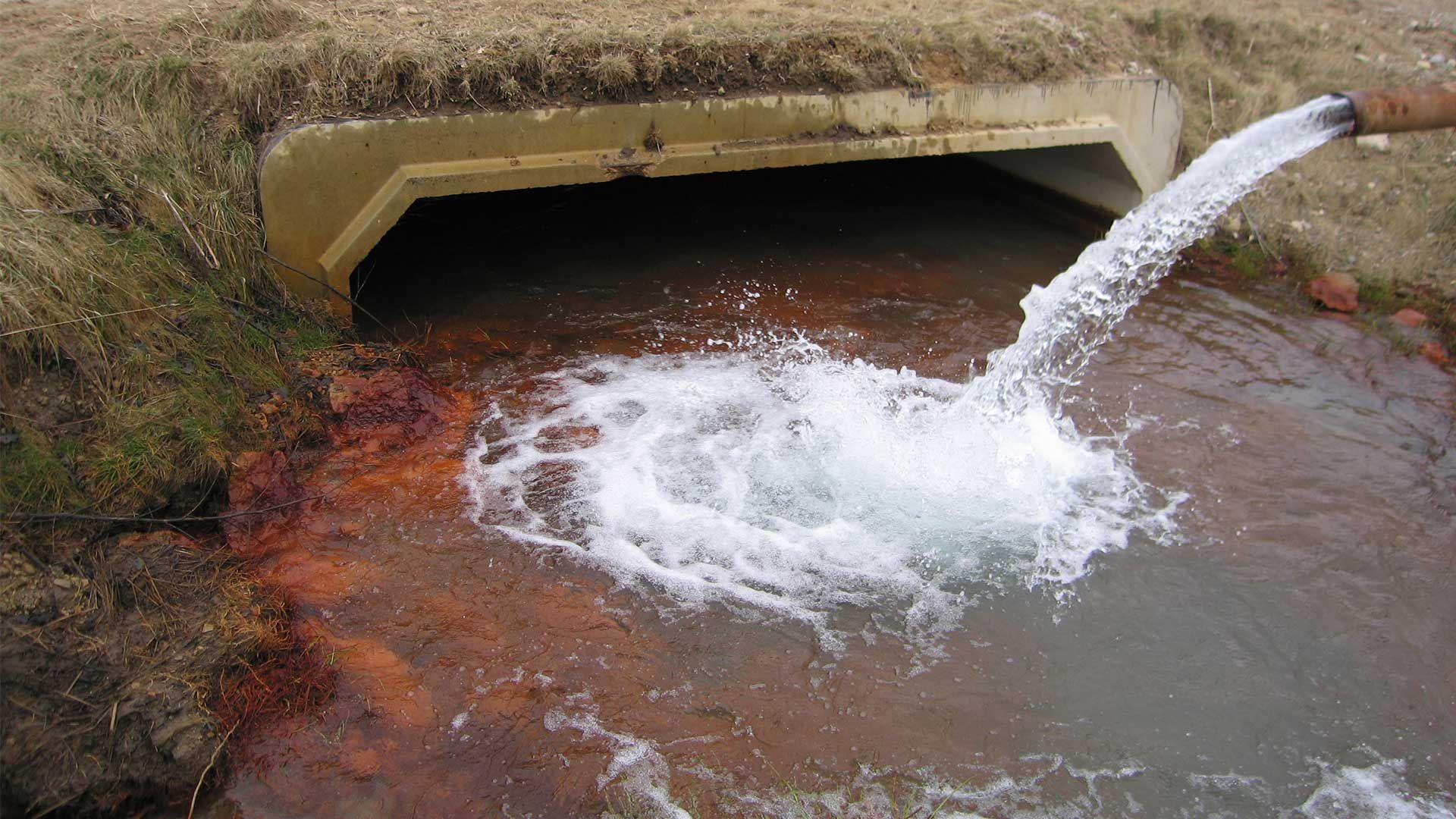
Wastewater contamination cases often begin with a simple but difficult question: what entered the water, where did it come from, and who may be responsible?
The answer is rarely simple. These cases may involve industrial discharges, municipal wastewater systems, PFAS, heavy metals, solvents, pathogens, infrastructure-related releases, agricultural runoff, or other nonpoint-source pollution. For attorneys, the real challenge is connecting the evidence to source, pathway, exposure, causation, damages, and expert reliability.
That connection matters because wastewater cases can become technical quickly. Sampling data, discharge records, facility records, and regulatory files may all shape the claims and defenses. If the expert analysis is incomplete or poorly tied to the facts, the opinion may face serious problems under Federal Rule of Evidence 702.
This guide explains how wastewater contamination litigation works, why expert testimony matters, and what attorneys should consider when evaluating regulatory compliance, causation, damages, and admissibility risks.
What Is Wastewater Contamination?
Wastewater contamination occurs when pollutants from municipal, industrial, commercial, or certain agricultural sources enter water in ways that may raise regulatory, environmental, property, or health-related concerns.
Common contaminants may include:
- PFAS, including PFOA and PFOS
- Heavy metals, solvents, industrial chemicals, and other chemical wastes
- Pathogens, sewage-related pollutants, and other municipal, industrial, or agricultural wastes
Depending on the site, these pollutants may reach surface water, groundwater, soil, sediment, or drinking water sources through permit exceedances, unauthorized releases, stormwater runoff, treatment failures, or other site-specific pathways.
For litigation, contamination is only part of the story. A test result may show that a pollutant is present, but attorneys still need evidence showing who released it, how it traveled, and whether it caused a legally recognized harm.
What Laws Govern Wastewater Contamination Claims?
More than one law may apply in a wastewater contamination dispute. The right framework depends on the discharge source, the water affected, the type of contaminant, and the harm alleged.
The Clean Water Act is often central when a case involves covered point-source discharges to waters of the United States. The scope of that phrase, however, has narrowed since the Supreme Court's 2023 decision in Sackett v. EPA, 598 U.S. 651 (2023). Under Sackett, federal jurisdiction under the Clean Water Act extends only to relatively permanent water bodies and wetlands that share a continuous surface connection to those waters. For cases involving smaller streams, ditches, or wetlands, attorneys should evaluate whether the affected water body still falls within federal jurisdiction before relying on Clean Water Act-based claims.
When a discharge does fall within federal jurisdiction, it is regulated through the National Pollutant Discharge Elimination System, commonly known as NPDES. NPDES permits can help attorneys evaluate discharge limits, monitoring duties, reporting obligations, and potential exceedances.
The Safe Drinking Water Act may become important when contamination affects public drinking water systems, while private-well claims may involve different legal theories or state-law standards. PFAS remains especially significant in drinking water disputes. EPA finalized enforceable drinking water limits for several PFAS in 2024, including PFOA and PFOS. On May 18, 2026, EPA announced two proposed PFAS drinking water rules for public comment. If finalized, one proposal would allow eligible drinking water systems to seek up to two additional years, until 2031, to comply with the PFOA and PFOS Maximum Contaminant Levels. A separate proposal would rescind certain regulations and determinations involving PFHxS, PFNA, HFPO-DA, and hazard index mixtures involving those PFAS and PFBS.
CERCLA may also affect PFAS-related disputes. EPA’s 2024 final rule designating PFOA and PFOS, including their salts and structural isomers, as hazardous substances may affect release reporting and may also shape cleanup, cost-recovery, liability, and enforcement issues in some disputes.
State law may also matter, depending on the facts and jurisdiction. Attorneys may need to consider state-law claims, state cleanup requirements, and state drinking water or groundwater standards, along with any applicable Clean Water Act citizen-suit provisions.
A regulatory violation may support part of a case, but it does not always prove every issue. Expert proof may still be needed to establish source, exposure, causation, injury, cleanup costs, or damages.
Why Are PFAS Claims Driving New Wastewater Litigation?
PFAS disputes remain significant because many PFAS persist in the environment, move through different pathways, and can be costly to investigate or address.
PFAS may appear in wastewater, biosolids, industrial settings, and downstream water systems. In some cases, attorneys may also need to evaluate other possible sources, such as landfill leachate, firefighting foam sites, manufacturing facilities, airports, or military sites.
When several possible sources exist in the same area, source attribution can become one of the most important disputes in the case.
Attorneys often need to determine:
- Whether PFAS are present and reliably tested
- Whether a defendant used, discharged, handled, or contributed to the chemicals
- Whether PFAS moved through a pathway that connects the source to the affected area
- Whether the evidence supports causation, cleanup costs, or other legally recognized harms
A PFAS case may look strong at first because the contaminant is present. But the real litigation questions often sit in the details. If the expert cannot explain source attribution, pathway, timing, and testing reliability, the opinion may be vulnerable.
What Do Expert Witnesses Do in Wastewater Contamination Cases?
Wastewater contamination cases often depend on technical proof. Expert witnesses help attorneys understand what the data shows, what it does not show, and whether the record supports source, pathway, exposure, causation, damages, or regulatory compliance.
Depending on the issues in dispute, expert roles may include:
- Environmental engineers: treatment systems, permits, compliance, and facility operations
- Hydrologists and hydrogeologists: groundwater, surface water, plume movement, and contaminant transport
- Chemists: sampling methods, lab results, detection limits, and data quality
- Toxicologists and public health experts: exposure, dose, risk, and health-related causation
- Regulatory experts: permitting, agency records, and compliance issues
The strongest expert work goes beyond confirming that contamination exists. The expert should explain how the technical evidence connects to the disputed legal issues.
For example, a discharge monitoring report may support a permit exceedance, but it may not prove personal injury causation by itself. In some cases, groundwater data may point toward one facility while still leaving room for another possible source. These distinctions can shape motions, settlement discussions, and trial testimony.
How Can Expert Testimony Fail Under Rule 702?
In wastewater litigation, credentials alone are not enough. Under Rule 702, the proponent must demonstrate to the court that it is more likely than not that: the expert's scientific, technical, or other specialized knowledge will help the trier of fact to understand the evidence or to determine a fact in issue; the testimony is based on sufficient facts or data; it is the product of reliable principles and methods; and the expert's opinion reflects a reliable application of the principles and methods to the facts of the case.
Rule 702 problems often appear when an expert moves too quickly from contamination to causation. A lab result may show that a pollutant is present, but the opinion still needs a reliable path from the data to the conclusion.
Common weaknesses include:
- Poorly documented sampling or chain of custody
- Missing QA/QC records
- Unsupported migration or exposure assumptions
- Failure to consider alternative sources
- Causation opinions based on general risk instead of case-specific proof
- Regulatory opinions that confuse a permit exceedance with proof of injury or damages
- Opinions that do not fit the claim, remedy, or damages theory
In these cases, strong science still needs a strong record. Sampling results, source analysis, exposure opinions, and causation theories need to line up with the facts of the dispute. Otherwise, the expert may leave analytical gaps that become the focus of a Rule 702 challenge.
Attorneys can often spot these risks early by asking practical questions. Did the expert test competing explanations? Did the expert connect the sampling locations to the alleged source and receptor? Did the expert consider timing, flow direction, background conditions, and historical site activity? These questions help attorneys assess whether the opinion is ready for admissibility scrutiny.
What Evidence Matters Most in Wastewater Cases?
The most useful evidence usually helps answer four basic questions: what was released, when it was released, how it moved, and who may have been affected.
Important evidence may include:
- Permits, discharge monitoring reports, treatment records, and operating logs
- Sampling plans, lab reports, QA/QC records, detection limits, and chain-of-custody records
- Groundwater, surface water, soil, sediment, plume, and source-pathway-receptor data
- Regulatory files, historical land use records, and infrastructure records
- Medical, toxicological, cleanup-cost, or damages evidence when relevant
These records help experts test regulatory violations, migration pathways, causation, and damages before reports or depositions narrow the case.
A careful evidence review can also help attorneys avoid overclaiming. A case may support a compliance theory but not a personal injury theory. It may support property damage but not medical causation. It may show PFAS in water but still leave source attribution unresolved. Understanding those limits early can reduce motion risk and lead to a clearer litigation strategy.