

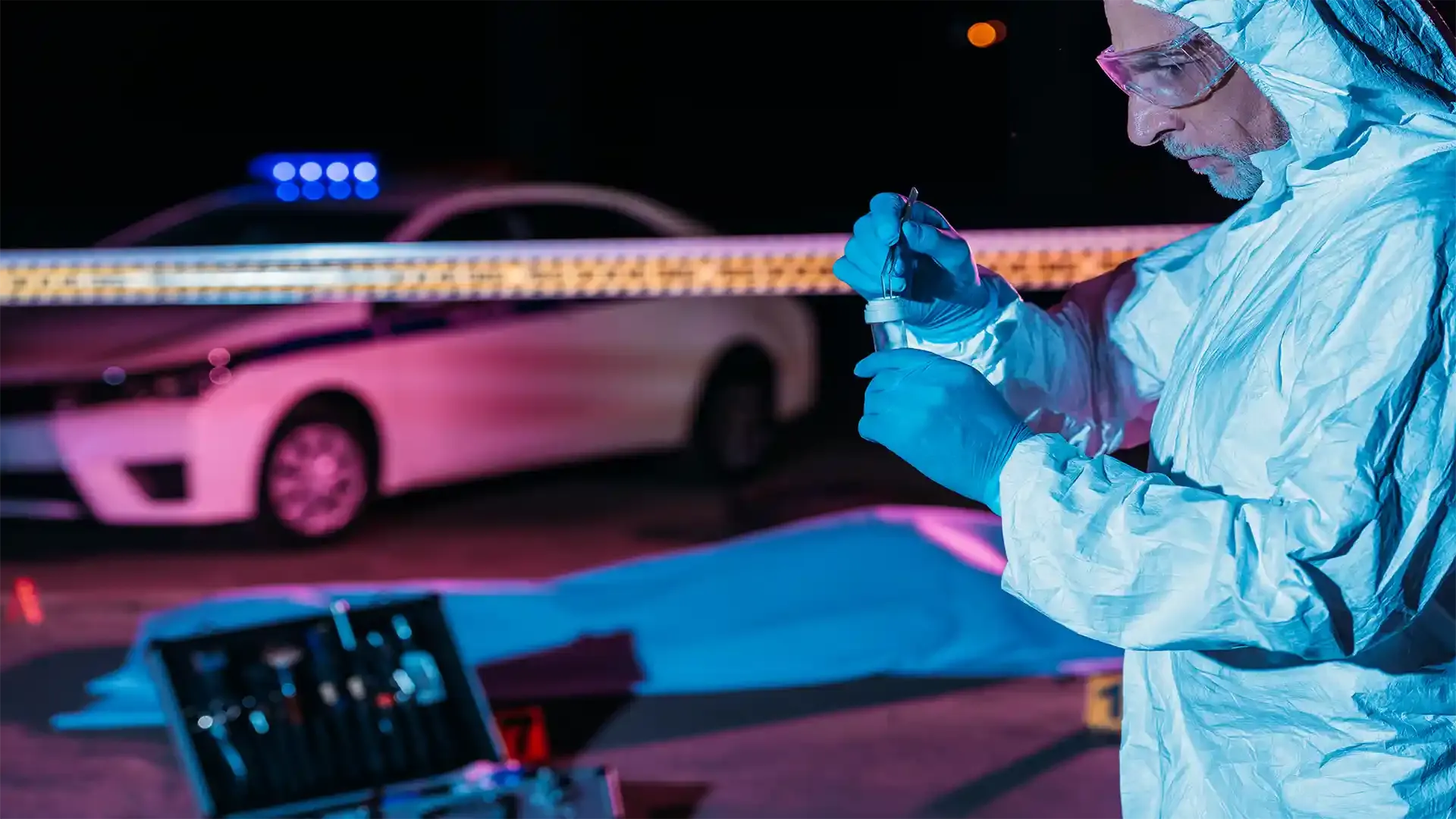
Introduction: On-Set Firearm Discharge and Legal Investigations
The fatal shooting of cinematographer Halyna Hutchins on the set of the film Rust in October 2021 brought renewed attention to occupational safety, firearm protocol compliance, and legal accountability in the entertainment industry. During a rehearsal at Bonanza Creek Ranch near Santa Fe, New Mexico, actor Alec Baldwin discharged a Colt .45 revolver that resulted in the death of Hutchins and injury of director Joel Souza. The incident triggered regulatory reviews, criminal proceedings, and litigation focused on industry safety standards and responsibility allocation.
This high-profile film set shooting developed into a multifaceted legal matter involving involuntary manslaughter charges, workplace safety violations, and forensic firearm analysis. Charges were filed against Alec Baldwin and the film's armorer, Hannah Gutierrez-Reed, while assistant director David Halls accepted a plea agreement. The investigation relied on the testimony of expert witnesses in firearm forensics, accident reconstruction, and occupational safety. The case illustrates the importance of expert evidence in litigation involving firearm discharges and entertainment industry risk management.
Key Developments in the Rust Film Shooting Case
October 21, 2021 – Fatal Firearm Discharge on Set
During a rehearsal on the Western film Rust, actor Alec Baldwin discharged a revolver believed to be cold (unloaded), striking cinematographer Halyna Hutchins and director Joel Souza. The incident took place on a New Mexico movie set. Immediate questions arose regarding how a live round entered the prop gun. Regulatory focus turned to the film’s safety policies and firearm management procedures.
November 2021 – January 2022 – Law Enforcement and FBI Investigations
Santa Fe County authorities and the FBI initiated a joint accident investigation. Evidence collected included ammunition, the firearm in question, and video footage from the set. Mechanical tests on the revolver were commissioned. Investigators worked to identify how a live round was introduced and whether safety regulations were followed by crew members.
August 2022 – FBI Firearms Report Released
The FBI released a forensic ballistics report stating the revolver could not have fired without the trigger being pulled. This contradicted earlier public statements by Baldwin. The report’s findings became a focal point for prosecutors evaluating potential negligence or recklessness in the shooting.
January 2023 – Involuntary Manslaughter Charges Filed
New Mexico prosecutors charged Alec Baldwin and Hannah Gutierrez-Reed with involuntary manslaughter. The filings alleged failure to maintain standard safety protocols and negligent handling of firearms. Accident investigation findings contributed to the legal foundation for these charges, with prosecutors alleging a pattern of negligence.
March 2023 – Plea Deal for Assistant Director
David Halls, the assistant director, entered a no-contest plea to negligent use of a deadly weapon. He received six months’ probation. This agreement removed him from further prosecution and shifted focus to the cases involving Baldwin and Gutierrez-Reed.
April 2023 – Charges Against Baldwin Dropped Temporarily
The state withdrew charges against Baldwin after new evidence raised questions about potential mechanical modifications to the revolver. This development delayed further prosecution and prompted continued review of forensic evidence.
January 2024 – Grand Jury Re-Indictment of Baldwin
A New Mexico grand jury re-indicted Baldwin on a single count of involuntary manslaughter. Prosecutors cited new technical evidence and expert witness findings as the basis for continuing prosecution. The development reignited national attention to film production safety practices.
March 2024 – Jury Conviction of Armorer
Hannah Gutierrez-Reed was found guilty of involuntary manslaughter following a trial. The prosecution argued that her failure to adhere to basic armorer duties contributed directly to the incident. Her conviction emphasized the legal significance of technical roles in workplace safety litigation.
April 2024 – Sentencing of Gutierrez-Reed
Gutierrez-Reed received an 18-month prison sentence, the statutory maximum. The court cited inadequate safety checks and failure to comply with on-set protocols. The sentencing underscored the legal weight placed on firearms management and risk prevention.
July 2024 – Criminal Case Against Baldwin Dismissed
The court dismissed Baldwin’s case with prejudice, citing violations of discovery rules by prosecutors. The ruling followed the failure to timely disclose potentially exculpatory forensic information. The dismissal ended Baldwin’s criminal proceedings.
Types of Expert Witnesses and Their Contributions
-
Firearm Forensics Expert Witness
Conducted technical analysis of the revolver’s firing mechanism and contributed key findings regarding trigger operation and discharge functionality.
-
Accident Investigation Expert Witness
Modeled the sequence of events on set, including spatial relationships and firearm handling, to assess causation and probability of human error.
-
Occupational Safety and Set Safety Expert Witness
Reviewed safety compliance practices in film production and evaluated whether industry standards and protocols were followed.
-
Accident Reconstruction Expert Witnesses
These experts specialize in analyzing the sequence of events in an incident using physical evidence, spatial analysis, and timing models to determine likely causes and contributing factors.
What Legal Teams Should Know
- Accident Reconstruction and Forensics Are Central in On-Set Injury Cases: Litigation involving firearms discharges often relies on mechanical and spatial analysis to support or refute liability.
- Firearm Safety Compliance Is a Key Liability Factor: The Rust case shows how deviations from weapons protocols can lead to criminal and civil exposure for multiple parties.
- Evidence Disclosure and Discovery Compliance Are Legally Determinative: Baldwin’s case dismissal underscores the importance of following disclosure procedures to avoid prejudicial outcomes.
- Set Safety Regulations Have Legal Weight: Production teams must implement and document compliance with OSHA, union, and industry safety rules to minimize liability risk.
- Multi-Disciplinary Expert Testimony Enhances Case Clarity: Complex litigation involving workplace incidents benefits from integrating forensics, mechanical, and legal expert analysis.
Conclusion: Legal and Technical Insights from the Rust Film Shooting Case
The Rust on-set shooting litigation provides a multifaceted view of how occupational incidents involving firearms are investigated and prosecuted. The case involved criminal charges, expert forensic analysis, and public scrutiny of safety practices in the entertainment sector. Its resolution reflected both the complexities of firearm accident reconstruction and the importance of procedural integrity in legal proceedings.
While the criminal case against Alec Baldwin was dismissed, the conviction of Hannah Gutierrez-Reed and plea deal with David Halls highlight the legal accountability of personnel managing hazardous equipment. The case illustrates the role of expert witnesses in clarifying technical questions and guiding judicial outcomes in workplace safety litigation.
Legal professionals working with entertainment clients or handling firearm-related injury litigation can use the Rust case as a reference point for understanding evidence requirements, safety protocol expectations, and expert witness integration. The case reinforces the need for cross-disciplinary analysis in occupational injury law.
