Data Center, +4
Technology
Loading
Technology
9 min read
Areas of Expertise :
Artificial Intelligence, Data Privacy, Biometrics, Computer Science, Cybersecurity

Published Date:
Last Modified Date:
Jurisdiction:
Illinois State
Court:
ACLU v. Clearview AI arose in the Circuit Court of Cook County, Illinois, after the ACLU, the ACLU of Illinois, and several Illinois organizations sued Clearview AI on May 28, 2020 for alleged violations of the Illinois Biometric Information Privacy Act. The complaint alleged that Clearview built a database of more than three billion faceprints from photos available online and did so without the notice, written consent, and retention disclosures that BIPA requires. Clearview moved to dismiss, arguing lack of personal jurisdiction, limits on BIPA’s reach beyond Illinois, constitutional objections tied to speech, and that BIPA did not apply to faceprints derived from photographs. The court denied that motion, allowing the case to proceed.
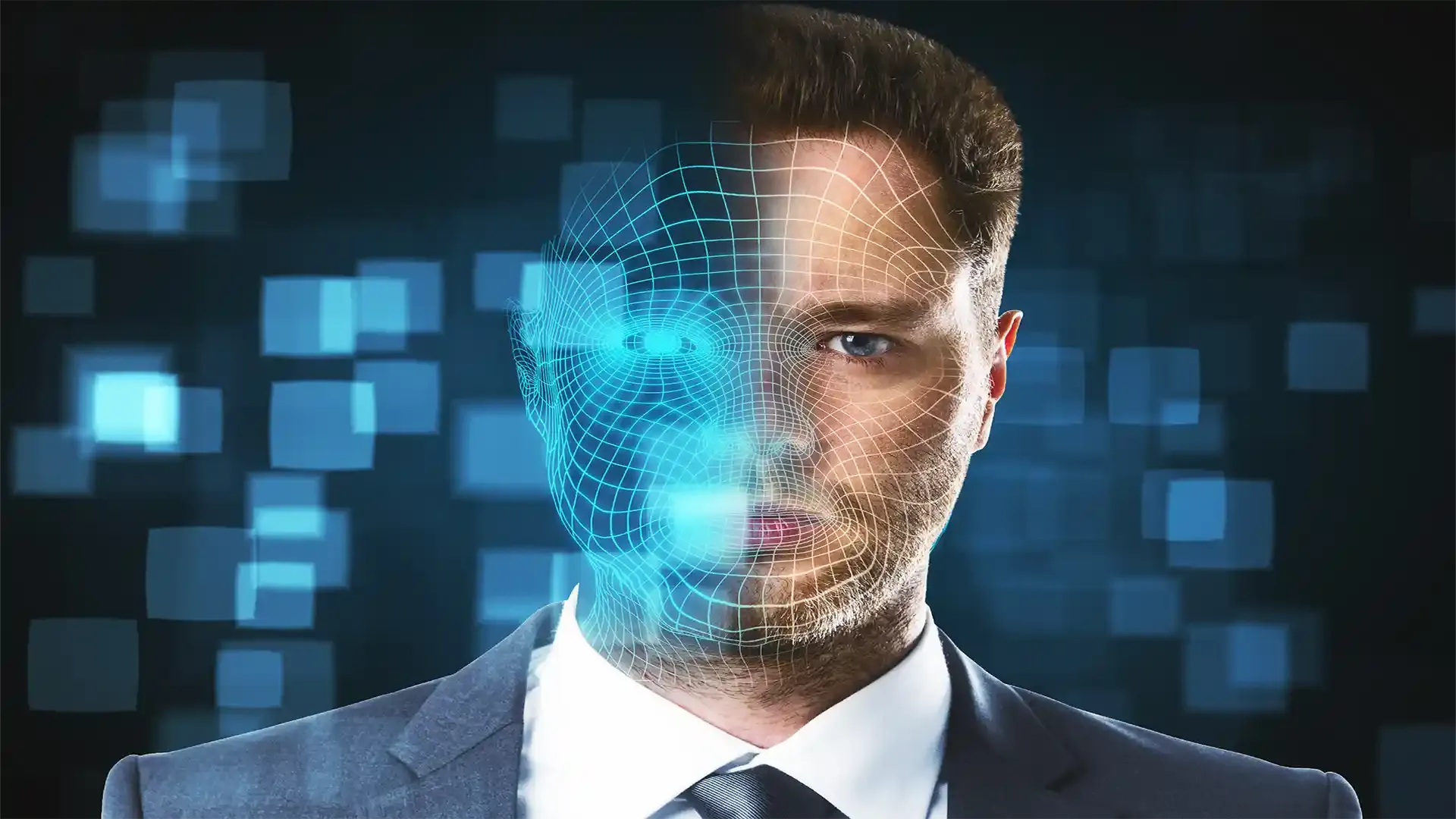
The case ended in a May 2022 settlement and consent order entered without a trial on the merits and without any admission of liability. Under that order, Clearview was permanently barred from granting paid or free access to the database at issue to private entities or private individuals anywhere in the United States except where allowed by BIPA or in compliance with its requirements, and it was also subject to five-year limits on access for Illinois state and local agencies and private entities located in Illinois. In this record, Artificial intelligence appears in practical terms as facial recognition software that scans a photograph, measures facial geometry, creates a numerical faceprint, and uses that stored data to identify people through database matching. The case therefore centered on whether that system could operate within Illinois biometric privacy law and ended with injunctive limits that redefined how Clearview could offer the product going forward.
The ACLU, the ACLU of Illinois, and several Illinois organizations filed suit in the Circuit Court of Cook County, alleging that Clearview AI violated the Illinois Biometric Information Privacy Act by collecting facial geometry without the notice, consent, and public retention disclosures required by the statute. The complaint sought injunctive relief rather than damages. At the center of the case was Clearview’s face recognition system, which the record describes as building a large database of faceprints from images available online.
Clearview responded with a motion to dismiss that framed the case around several threshold legal issues. It argued that Illinois courts lacked personal jurisdiction, that BIPA could not regulate the company’s out-of-state conduct, that applying BIPA would violate the dormant Commerce Clause, that the challenged activity was protected by the First Amendment, and that BIPA did not apply to its use of photographs. Those arguments defined the early legal posture and set up the court’s first major ruling.
The Cook County court denied Clearview’s motion to dismiss, rejecting its effort to end the case at the pleading stage. That ruling kept the plaintiffs’ BIPA claims alive and moved the dispute into the next phase of litigation. In practical terms, the court allowed the challenge to continue against a system described in the record as using face recognition technology to identify people by comparing faceprints.
After losing its dismissal bid, Clearview answered the complaint and asserted affirmative defenses and a counterclaim. This step confirmed that the case was moving forward beyond threshold objections and into a fuller merits dispute between the parties. It also mattered later because the settlement papers expressly resolved both the complaint and the counterclaim.
The settlement papers state that the parties agreed to resolve the case without any admission of fault, liability, or wrongdoing and without a trial on the merits. The agreement reflects a negotiated end to the dispute after the motion-to-dismiss ruling and subsequent pleadings. The record ties that resolution to Clearview’s facial vector database and to claims arising from the collection and use of biometric data.
The filed settlement agreement imposed the case’s most important relief. Clearview agreed to a permanent nationwide injunction barring paid or free access to the database at issue for private entities and private individuals, subject to narrow exceptions tied to BIPA compliance, and to a five-year ban on access for Illinois state and local agencies and for private entities located in Illinois. The agreement also stated that the court would retain authority over enforcement through the consent order process.
The court signed the consent order ending the case as a settled matter. The order made clear that it was entered to effectuate settlement without a trial on the merits and without any admission of liability, while putting permanent and time-limited injunctions in place. The final resolution did not include damages, but it did include injunctive relief that restricted how Clearview could provide access to its faceprint database in the future.
Circuit Court of Cook County, Illinois, County Department, Chancery Division
Case Name:
ACLU v. Clearview AI, Inc.
Facial Recognition
Data Management
Face Detection
Online Privacy
ACLU v. Clearview AI arose in the Circuit Court of Cook County, Illinois, after the ACLU, the ACLU of Illinois, and several Illinois organizations sued Clearview AI on May 28, 2020 for alleged violations of the Illinois Biometric Information Privacy Act. The complaint alleged that Clearview built a database of more than three billion faceprints from photos available online and did so without the notice, written consent, and retention disclosures that BIPA requires. Clearview moved to dismiss, arguing lack of personal jurisdiction, limits on BIPA’s reach beyond Illinois, constitutional objections tied to speech, and that BIPA did not apply to faceprints derived from photographs. The court denied that motion, allowing the case to proceed.
The case ended in a May 2022 settlement and consent order entered without a trial on the merits and without any admission of liability. Under that order, Clearview was permanently barred from granting paid or free access to the database at issue to private entities or private individuals anywhere in the United States except where allowed by BIPA or in compliance with its requirements, and it was also subject to five-year limits on access for Illinois state and local agencies and private entities located in Illinois. In this record, Artificial intelligence appears in practical terms as facial recognition software that scans a photograph, measures facial geometry, creates a numerical faceprint, and uses that stored data to identify people through database matching. The case therefore centered on whether that system could operate within Illinois biometric privacy law and ended with injunctive limits that redefined how Clearview could offer the product going forward.
The ACLU, the ACLU of Illinois, and several Illinois organizations filed suit in the Circuit Court of Cook County, alleging that Clearview AI violated the Illinois Biometric Information Privacy Act by collecting facial geometry without the notice, consent, and public retention disclosures required by the statute. The complaint sought injunctive relief rather than damages. At the center of the case was Clearview’s face recognition system, which the record describes as building a large database of faceprints from images available online.
Clearview responded with a motion to dismiss that framed the case around several threshold legal issues. It argued that Illinois courts lacked personal jurisdiction, that BIPA could not regulate the company’s out-of-state conduct, that applying BIPA would violate the dormant Commerce Clause, that the challenged activity was protected by the First Amendment, and that BIPA did not apply to its use of photographs. Those arguments defined the early legal posture and set up the court’s first major ruling.
The Cook County court denied Clearview’s motion to dismiss, rejecting its effort to end the case at the pleading stage. That ruling kept the plaintiffs’ BIPA claims alive and moved the dispute into the next phase of litigation. In practical terms, the court allowed the challenge to continue against a system described in the record as using face recognition technology to identify people by comparing faceprints.
After losing its dismissal bid, Clearview answered the complaint and asserted affirmative defenses and a counterclaim. This step confirmed that the case was moving forward beyond threshold objections and into a fuller merits dispute between the parties. It also mattered later because the settlement papers expressly resolved both the complaint and the counterclaim.
The settlement papers state that the parties agreed to resolve the case without any admission of fault, liability, or wrongdoing and without a trial on the merits. The agreement reflects a negotiated end to the dispute after the motion-to-dismiss ruling and subsequent pleadings. The record ties that resolution to Clearview’s facial vector database and to claims arising from the collection and use of biometric data.
The filed settlement agreement imposed the case’s most important relief. Clearview agreed to a permanent nationwide injunction barring paid or free access to the database at issue for private entities and private individuals, subject to narrow exceptions tied to BIPA compliance, and to a five-year ban on access for Illinois state and local agencies and for private entities located in Illinois. The agreement also stated that the court would retain authority over enforcement through the consent order process.
The court signed the consent order ending the case as a settled matter. The order made clear that it was entered to effectuate settlement without a trial on the merits and without any admission of liability, while putting permanent and time-limited injunctions in place. The final resolution did not include damages, but it did include injunctive relief that restricted how Clearview could provide access to its faceprint database in the future.
An Artificial Intelligence expert witness is often engaged to explain how an automated system analyzes images, generates numerical outputs, and uses those outputs in identification processes. In a case like this, that expert may help clarify how a facial recognition system operates and how its technical functions relate to the disputed collection and use of biometric data. In this matter, that role is best treated as inferred rather than publicly disclosed.
A Face Detection expert witness is often engaged to explain how software detects faces in images, extracts facial measurements, and supports later matching or identification. In litigation involving faceprints or facial vectors, this expert may help distinguish a photograph from the biometric data derived from that image.
A Computer Science expert witness is often engaged to describe the software architecture, data processing steps, and system design involved in the challenged technology. This expert may also address how the system stores data, performs comparisons, and operates at scale.
A Data Privacy expert witness is often engaged when a case turns on notice, consent, disclosure practices, and the handling of sensitive personal data. In biometric privacy litigation, this expert may explain how collection, use, retention, and sharing practices compare with statutory privacy requirements. That category is a close fit here because the case centers on alleged noncompliance with Illinois biometric privacy law.
A Data Management expert witness is often engaged to address retention schedules, deletion practices, access controls, and internal data governance processes. This expert may help explain how an organization stores and manages large datasets and whether those practices align with stated policies or legal obligations. In this matter, that role is relevant because the approved record addresses retention, destruction, and limits on access to biometric data.
This case moved forward because the complaint tied the challenged conduct directly to specific BIPA duties involving notice, written consent, and publicly available retention policies. In cases involving AI-based facial recognition, clear statutory framing can keep the dispute focused on concrete compliance questions rather than broader policy debate.
Clearview’s motion to dismiss raised personal jurisdiction, extraterritoriality, constitutional arguments, and statutory-scope issues, making the pleadings stage a critical point in the litigation. For attorneys, that means the opening complaint and response strategy should be built with those threshold defenses in mind from day one.
The approved record distinguishes between photographs, scans of facial geometry, faceprints, and the database used for matching, and those distinctions matter. In AI and facial recognition litigation, precise wording can affect how the court evaluates whether the data at issue falls within a biometric privacy statute.
This case ended without a trial and without an admission of liability, but it still produced meaningful restrictions on access to the database at issue. Attorneys should consider whether targeted injunctive terms, especially limits on private-sector access and use, may offer practical value beyond a damages-driven strategy.
The final resolution did more than close the pleadings dispute; it imposed permanent and time-limited restrictions tied to who could access the system and under what conditions. In cases involving AI-enabled identification tools, well-drafted settlement language can redefine future deployment, not just resolve past claims.
ACLU v. Clearview AI concluded as a closely watched Illinois biometric privacy case that progressed from a BIPA complaint, through a failed motion to dismiss, to a negotiated resolution that imposed injunctive limits without a trial on the merits or any admission of liability. The dispute focused on whether Clearview’s collection and use of faceprints derived from publicly available photographs complied with Illinois requirements for notice, consent, and publicly available retention policies under the Illinois Biometric Information Privacy Act. Rather than producing a liability verdict, the litigation ended with court-approved restrictions that reshaped how access to the facial recognition database could be offered going forward.
The case also remains significant in discussions about AI, facial recognition, and biometric data governance because it framed the technology in practical terms. The record describes software that scans facial features, generates numerical faceprints or facial vectors, and compares those data points against a database to identify individuals. Instead of turning on broad debates about emerging technology, the litigation tested whether that form of automated identification could operate within an existing state privacy statute. For attorneys, companies, and public-interest organizations, the case illustrates how biometric privacy law can be used to evaluate the legal boundaries of AI-enabled facial recognition systems.

What was ACLU v. Clearview AI about?
ACLU v. Clearview AI was an Illinois biometric privacy case alleging that Clearview collected facial geometry from online photos without meeting the notice, consent, and retention-related requirements of the Illinois Biometric Information Privacy Act. The case focused on Clearview’s face recognition system and its database of faceprints.
What law was at the center of the Clearview lawsuit?
The case centered on the Illinois Biometric Information Privacy Act, often called BIPA. The plaintiffs alleged that Clearview’s collection and use of biometric identifiers and biometric information did not comply with that statute.
Did Clearview AI win its motion to dismiss?
No. The Cook County court denied Clearview’s motion to dismiss, which allowed the case to continue beyond the pleading stage.
How did ACLU v. Clearview AI end?
The case ended in a settlement and consent order entered in May 2022. The resolution did not include a trial on the merits or an admission of liability, but it did impose injunctive restrictions on access to the database at issue.
Did the case result in damages or monetary relief?
The record does not show a damages award to the plaintiffs in this action. Instead, the case ended with injunctive relief that restricted how Clearview could provide access to the facial recognition database at issue. The settlement also addressed implementation matters associated with the resolution, including attorneys’ fees, litigation costs, and funding related to notice obligations tied to the Illinois opt-out program.
Why is ACLU v. Clearview AI important for AI and facial recognition law?
An Artificial Intelligence expert witness is often engaged to explain how an automated system analyzes images, generates numerical outputs, and uses those outputs in identification processes. In a case like this, that expert may help clarify how a facial recognition system operates and how its technical functions relate to the disputed collection and use of biometric data. In this matter, that role is best treated as inferred rather than publicly disclosed.
A Face Detection expert witness is often engaged to explain how software detects faces in images, extracts facial measurements, and supports later matching or identification. In litigation involving faceprints or facial vectors, this expert may help distinguish a photograph from the biometric data derived from that image.
A Computer Science expert witness is often engaged to describe the software architecture, data processing steps, and system design involved in the challenged technology. This expert may also address how the system stores data, performs comparisons, and operates at scale.
A Data Privacy expert witness is often engaged when a case turns on notice, consent, disclosure practices, and the handling of sensitive personal data. In biometric privacy litigation, this expert may explain how collection, use, retention, and sharing practices compare with statutory privacy requirements. That category is a close fit here because the case centers on alleged noncompliance with Illinois biometric privacy law.
A Data Management expert witness is often engaged to address retention schedules, deletion practices, access controls, and internal data governance processes. This expert may help explain how an organization stores and manages large datasets and whether those practices align with stated policies or legal obligations. In this matter, that role is relevant because the approved record addresses retention, destruction, and limits on access to biometric data.
This case moved forward because the complaint tied the challenged conduct directly to specific BIPA duties involving notice, written consent, and publicly available retention policies. In cases involving AI-based facial recognition, clear statutory framing can keep the dispute focused on concrete compliance questions rather than broader policy debate.
Clearview’s motion to dismiss raised personal jurisdiction, extraterritoriality, constitutional arguments, and statutory-scope issues, making the pleadings stage a critical point in the litigation. For attorneys, that means the opening complaint and response strategy should be built with those threshold defenses in mind from day one.
The approved record distinguishes between photographs, scans of facial geometry, faceprints, and the database used for matching, and those distinctions matter. In AI and facial recognition litigation, precise wording can affect how the court evaluates whether the data at issue falls within a biometric privacy statute.
This case ended without a trial and without an admission of liability, but it still produced meaningful restrictions on access to the database at issue. Attorneys should consider whether targeted injunctive terms, especially limits on private-sector access and use, may offer practical value beyond a damages-driven strategy.
The final resolution did more than close the pleadings dispute; it imposed permanent and time-limited restrictions tied to who could access the system and under what conditions. In cases involving AI-enabled identification tools, well-drafted settlement language can redefine future deployment, not just resolve past claims.
ACLU v. Clearview AI concluded as a closely watched Illinois biometric privacy case that progressed from a BIPA complaint, through a failed motion to dismiss, to a negotiated resolution that imposed injunctive limits without a trial on the merits or any admission of liability. The dispute focused on whether Clearview’s collection and use of faceprints derived from publicly available photographs complied with Illinois requirements for notice, consent, and publicly available retention policies under the Illinois Biometric Information Privacy Act. Rather than producing a liability verdict, the litigation ended with court-approved restrictions that reshaped how access to the facial recognition database could be offered going forward.
The case also remains significant in discussions about AI, facial recognition, and biometric data governance because it framed the technology in practical terms. The record describes software that scans facial features, generates numerical faceprints or facial vectors, and compares those data points against a database to identify individuals. Instead of turning on broad debates about emerging technology, the litigation tested whether that form of automated identification could operate within an existing state privacy statute. For attorneys, companies, and public-interest organizations, the case illustrates how biometric privacy law can be used to evaluate the legal boundaries of AI-enabled facial recognition systems.
What was ACLU v. Clearview AI about?
ACLU v. Clearview AI was an Illinois biometric privacy case alleging that Clearview collected facial geometry from online photos without meeting the notice, consent, and retention-related requirements of the Illinois Biometric Information Privacy Act. The case focused on Clearview’s face recognition system and its database of faceprints.
What law was at the center of the Clearview lawsuit?
The case centered on the Illinois Biometric Information Privacy Act, often called BIPA. The plaintiffs alleged that Clearview’s collection and use of biometric identifiers and biometric information did not comply with that statute.
Did Clearview AI win its motion to dismiss?
No. The Cook County court denied Clearview’s motion to dismiss, which allowed the case to continue beyond the pleading stage.
How did ACLU v. Clearview AI end?
The case ended in a settlement and consent order entered in May 2022. The resolution did not include a trial on the merits or an admission of liability, but it did impose injunctive restrictions on access to the database at issue.
Did the case result in damages or monetary relief?
The record does not show a damages award to the plaintiffs in this action. Instead, the case ended with injunctive relief that restricted how Clearview could provide access to the facial recognition database at issue. The settlement also addressed implementation matters associated with the resolution, including attorneys’ fees, litigation costs, and funding related to notice obligations tied to the Illinois opt-out program.
Why is ACLU v. Clearview AI important for AI and facial recognition law?
The case is important because it applied an existing biometric privacy statute to AI-enabled facial recognition technology that scans facial features, creates faceprints or facial vectors, and uses those data points for identification. It shows how courts and litigants can test automated identification systems through concrete statutory privacy claims rather than broader policy arguments alone.
Technology
Patent, +4
Technology
Artificial Intelligence, +4
Technology
The case is important because it applied an existing biometric privacy statute to AI-enabled facial recognition technology that scans facial features, creates faceprints or facial vectors, and uses those data points for identification. It shows how courts and litigants can test automated identification systems through concrete statutory privacy claims rather than broader policy arguments alone.