Agriculture, +7
Agriculture
Loading
Agriculture
11 min read
Areas of Expertise :
Hydrology, Soils, Agricultural Engineering, Ecology, Drainage

Published Date:
Last Modified Date:
Jurisdiction:
Federal. Ninth Circuit
Duarte Nursery, Inc. v. U.S. Army Corps of Engineers, No. 2:13-cv-02095, arose from agricultural ripping on an approximately 450-acre parcel near Coyote Creek in Tehama County, California. Duarte Nursery acquired a larger property in April 2012, later sold about 1,500 acres, and retained the parcel involved in the dispute. Before cultivation began, NorthStar Environmental prepared a draft wetland delineation identifying approximately 16.17 acres of potential federal waters, including vernal pools, seasonal wetlands, swales, and intermittent or ephemeral drainage features.
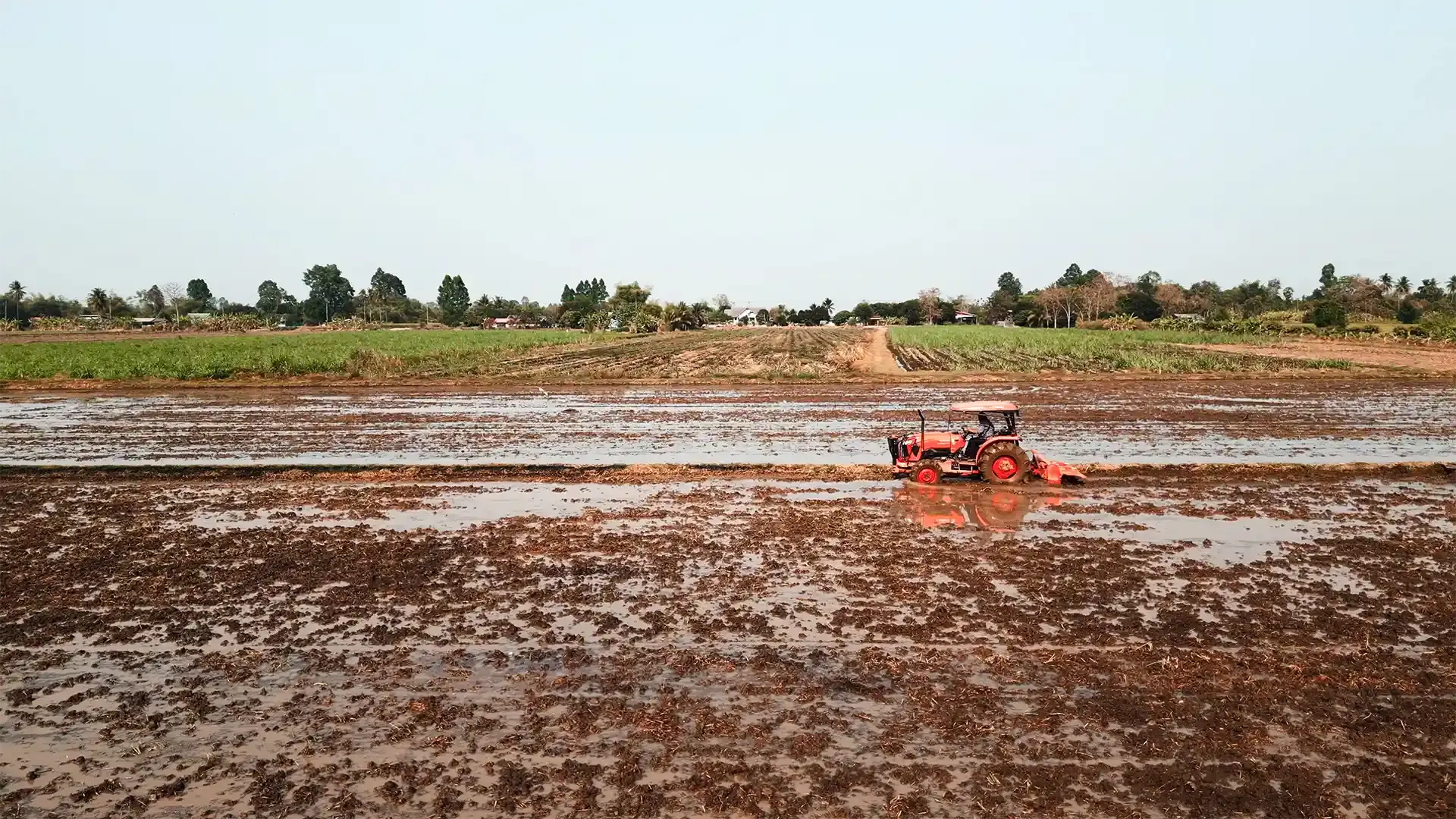
In late 2012, a contractor used a tractor equipped with a seven-shank ripper to prepare the land for wheat cultivation. The U.S. Army Corps of Engineers alleged that the equipment moved and redeposited soil within regulated waters without a Clean Water Act permit. Duarte Nursery challenged the Corps’ enforcement process, and the United States filed a counterclaim alleging an unlawful discharge. In June 2016, the district court granted summary judgment against Duarte Nursery and John Duarte on the Clean Water Act claim. The parties later resolved the remaining civil penalty, mitigation, and restoration issues through a consent decree entered in December 2017.
Duarte Nursery purchased approximately 1,950 to 2,000 acres near Coyote Creek in Tehama County, California. The property was located south of Red Bluff within the Sacramento River watershed. Duarte Nursery later sold the northern portion, totaling about 1,500 acres, and retained an approximately 450-acre parcel that became the subject of the Clean Water Act proceedings.
Duarte Nursery retained NorthStar Environmental to prepare wetland delineation maps for the property. NorthStar advised that the draft delineation should be reviewed and verified by the U.S. Army Corps of Engineers before grading began. Its July 2012 report identified approximately 16.17 acres of potential waters on the retained parcel.
The mapped areas included vernal pools, vernal swales, seasonal wetlands, seasonal swales, and intermittent or ephemeral drainages. NorthStar reported little visible evidence of recent agricultural activity, although the land had been used for grazing. The report also described drainage routes extending toward Coyote Creek and the Sacramento River system.
Duarte Nursery arranged for the retained parcel to be prepared and planted with wheat. A contractor used a 360-horsepower tractor equipped with a Wilcox ripper containing seven metal shanks. Although the contractor had been instructed not to till deeper than 12 inches, he later testified that the hard soil limited penetration to approximately four to six inches.
The ripping created furrows and ridges while moving soil horizontally across parts of the property. The tractor did not avoid every wetland and drainage feature shown on the NorthStar maps. The United States later alleged that the equipment removed soil from aquatic areas and redeposited it within those same locations.
Army Corps employee Matthew Kelley observed tractor activity on the property on November 28, 2012. When he returned on December 6, he saw ripping in areas that he believed contained wetlands and drainage features. On December 11, Kelley informed John Duarte that the observed work required a Clean Water Act permit.
Kelley conducted another site visit on December 17 and photographed the tractor, ripper, furrows, and field conditions. The Corps used these observations in its investigation of whether the agricultural work involved an unpermitted discharge of dredged or fill material into waters of the United States.
The Army Corps sent Duarte Nursery a cease-and-desist letter alleging that dredged or fill material had been discharged without a Department of the Army permit. The letter identified seasonal wetlands, vernal pools, vernal swales, and intermittent or ephemeral drainage features as affected waters. It directed Duarte Nursery to stop work in those areas while the Corps continued its investigation.
Duarte Nursery disputed the agency’s conclusions and requested information supporting the enforcement action. The company also maintained that the cultivation work qualified for the Clean Water Act exemption covering normal farming activities. Communications between Duarte Nursery and the Corps continued during 2013.
Duarte Nursery and John Duarte filed suit against the U.S. Army Corps of Engineers in the U.S. District Court for the Eastern District of California. Their claims challenged the cease-and-desist process under the Fifth Amendment’s Due Process Clause. They later added a First Amendment retaliatory-prosecution claim arising from the federal enforcement action.
The complaint also named several California water board officials. The court dismissed the claims against those state officials during the earlier stages of the case, while the claims involving the Corps continued.
The United States answered Duarte Nursery’s due process claim and filed a counterclaim under the Clean Water Act. It alleged that Duarte Nursery and John Duarte violated Section 301(a) by discharging pollutants into waters of the United States without a permit. The government sought civil penalties, restoration, compensatory mitigation, and an order barring further unauthorized discharges.
The counterclaim placed several legal and technical questions before the court. These included whether the soil movement constituted a discharge, whether the tractor and ripper qualified as a point source, whether the affected areas were federally regulated waters, and whether the normal-farming exemption applied.
The district court granted summary judgment to the United States on its Clean Water Act counterclaim. It found that the tractor and ripper moved and redeposited soil within wetlands, qualified as a point source, and caused an unpermitted discharge of dredged or fill material. Government expert reports and mapping addressed vernal pools, swales, drainage connections, aerial imagery, wetland hydrology, and the relationship between the property’s aquatic features and Coyote Creek.
The court also found that the wetlands had a significant nexus to Coyote Creek and connected waterways leading to the Sacramento River. It rejected the normal-farming exemption because the parcel had not been farmed between 1988 and 2012 and concluded that the ripping substantially changed wetland hydrology. The court also entered summary judgment against Duarte Nursery and John Duarte on their due-process claims, dismissed the retaliatory-prosecution claim without leave to amend, and left civil penalties, restoration, and mitigation for later proceedings.
Before the scheduled remedies trial, the district court addressed disputes involving technical reports and proposed expert testimony. Duarte Nursery disclosed Thomas Skordal and Diane Moore to address wetland hydrology, vegetation indicators, rainfall, drought conditions, and changes observed after the ripping. David Kelley evaluated soil profiles, landforms, and off-site areas selected for comparison with the Duarte property.
The court excluded supplemental reports from Skordal and Moore after finding that they introduced untimely new material. It treated Kelley’s supplemental report as timely because it addressed soil and reference-site information received later in the litigation. The rulings limited the technical evidence available for the remedies phase.
The parties reached an agreement resolving the remaining civil penalty, restoration, and mitigation claims. Duarte Nursery agreed to pay a $330,000 civil penalty and expend $770,000 on approved off-site compensatory mitigation, resulting in total required financial commitments of $1.1 million.
The agreement also required remediation of approximately 22 acres of disturbed streams and wetlands. Other terms imposed ten-year activity restrictions on approximately 44 acres of identified waters and an adjoining 35-foot setback. The decree also created permanent restrictions within a designated conservation reserve. The settlement ended preparations for a trial on penalties and injunctive relief.
The district court signed the consent decree and made it effective on December 7, 2017. The decree was filed the following day. Its terms addressed payment schedules, restoration planning, mitigation duties, land-use restrictions, reporting requirements, and future unauthorized discharges into waters covered by the agreement.
The consent decree resolved the government’s remaining requests for civil penalties and injunctive relief. Agricultural activity could continue on other portions of the property, subject to the decree and any applicable permitting requirements. Entry of the decree brought the district court proceedings to a close.
Court:
United States District Court for the Eastern District of California
Case Name:
Duarte Nursery, Inc. v. U.S. Army Corps of Engineers
Wetlands
CWA Clean Water Act
Soil Science
Soil Engineering
Vegetation
Water Resources
Environmental Compliance
Environmental Assessment
Environmental Resource Management
Duarte Nursery, Inc. v. U.S. Army Corps of Engineers, No. 2:13-cv-02095, arose from agricultural ripping on an approximately 450-acre parcel near Coyote Creek in Tehama County, California. Duarte Nursery acquired a larger property in April 2012, later sold about 1,500 acres, and retained the parcel involved in the dispute. Before cultivation began, NorthStar Environmental prepared a draft wetland delineation identifying approximately 16.17 acres of potential federal waters, including vernal pools, seasonal wetlands, swales, and intermittent or ephemeral drainage features.
In late 2012, a contractor used a tractor equipped with a seven-shank ripper to prepare the land for wheat cultivation. The U.S. Army Corps of Engineers alleged that the equipment moved and redeposited soil within regulated waters without a Clean Water Act permit. Duarte Nursery challenged the Corps’ enforcement process, and the United States filed a counterclaim alleging an unlawful discharge. In June 2016, the district court granted summary judgment against Duarte Nursery and John Duarte on the Clean Water Act claim. The parties later resolved the remaining civil penalty, mitigation, and restoration issues through a consent decree entered in December 2017.
Duarte Nursery purchased approximately 1,950 to 2,000 acres near Coyote Creek in Tehama County, California. The property was located south of Red Bluff within the Sacramento River watershed. Duarte Nursery later sold the northern portion, totaling about 1,500 acres, and retained an approximately 450-acre parcel that became the subject of the Clean Water Act proceedings.
Duarte Nursery retained NorthStar Environmental to prepare wetland delineation maps for the property. NorthStar advised that the draft delineation should be reviewed and verified by the U.S. Army Corps of Engineers before grading began. Its July 2012 report identified approximately 16.17 acres of potential waters on the retained parcel.
The mapped areas included vernal pools, vernal swales, seasonal wetlands, seasonal swales, and intermittent or ephemeral drainages. NorthStar reported little visible evidence of recent agricultural activity, although the land had been used for grazing. The report also described drainage routes extending toward Coyote Creek and the Sacramento River system.
Duarte Nursery arranged for the retained parcel to be prepared and planted with wheat. A contractor used a 360-horsepower tractor equipped with a Wilcox ripper containing seven metal shanks. Although the contractor had been instructed not to till deeper than 12 inches, he later testified that the hard soil limited penetration to approximately four to six inches.
The ripping created furrows and ridges while moving soil horizontally across parts of the property. The tractor did not avoid every wetland and drainage feature shown on the NorthStar maps. The United States later alleged that the equipment removed soil from aquatic areas and redeposited it within those same locations.
Army Corps employee Matthew Kelley observed tractor activity on the property on November 28, 2012. When he returned on December 6, he saw ripping in areas that he believed contained wetlands and drainage features. On December 11, Kelley informed John Duarte that the observed work required a Clean Water Act permit.
Kelley conducted another site visit on December 17 and photographed the tractor, ripper, furrows, and field conditions. The Corps used these observations in its investigation of whether the agricultural work involved an unpermitted discharge of dredged or fill material into waters of the United States.
The Army Corps sent Duarte Nursery a cease-and-desist letter alleging that dredged or fill material had been discharged without a Department of the Army permit. The letter identified seasonal wetlands, vernal pools, vernal swales, and intermittent or ephemeral drainage features as affected waters. It directed Duarte Nursery to stop work in those areas while the Corps continued its investigation.
Duarte Nursery disputed the agency’s conclusions and requested information supporting the enforcement action. The company also maintained that the cultivation work qualified for the Clean Water Act exemption covering normal farming activities. Communications between Duarte Nursery and the Corps continued during 2013.
Duarte Nursery and John Duarte filed suit against the U.S. Army Corps of Engineers in the U.S. District Court for the Eastern District of California. Their claims challenged the cease-and-desist process under the Fifth Amendment’s Due Process Clause. They later added a First Amendment retaliatory-prosecution claim arising from the federal enforcement action.
The complaint also named several California water board officials. The court dismissed the claims against those state officials during the earlier stages of the case, while the claims involving the Corps continued.
The United States answered Duarte Nursery’s due process claim and filed a counterclaim under the Clean Water Act. It alleged that Duarte Nursery and John Duarte violated Section 301(a) by discharging pollutants into waters of the United States without a permit. The government sought civil penalties, restoration, compensatory mitigation, and an order barring further unauthorized discharges.
The counterclaim placed several legal and technical questions before the court. These included whether the soil movement constituted a discharge, whether the tractor and ripper qualified as a point source, whether the affected areas were federally regulated waters, and whether the normal-farming exemption applied.
The district court granted summary judgment to the United States on its Clean Water Act counterclaim. It found that the tractor and ripper moved and redeposited soil within wetlands, qualified as a point source, and caused an unpermitted discharge of dredged or fill material. Government expert reports and mapping addressed vernal pools, swales, drainage connections, aerial imagery, wetland hydrology, and the relationship between the property’s aquatic features and Coyote Creek.
The court also found that the wetlands had a significant nexus to Coyote Creek and connected waterways leading to the Sacramento River. It rejected the normal-farming exemption because the parcel had not been farmed between 1988 and 2012 and concluded that the ripping substantially changed wetland hydrology. The court also entered summary judgment against Duarte Nursery and John Duarte on their due-process claims, dismissed the retaliatory-prosecution claim without leave to amend, and left civil penalties, restoration, and mitigation for later proceedings.
Before the scheduled remedies trial, the district court addressed disputes involving technical reports and proposed expert testimony. Duarte Nursery disclosed Thomas Skordal and Diane Moore to address wetland hydrology, vegetation indicators, rainfall, drought conditions, and changes observed after the ripping. David Kelley evaluated soil profiles, landforms, and off-site areas selected for comparison with the Duarte property.
The court excluded supplemental reports from Skordal and Moore after finding that they introduced untimely new material. It treated Kelley’s supplemental report as timely because it addressed soil and reference-site information received later in the litigation. The rulings limited the technical evidence available for the remedies phase.
The parties reached an agreement resolving the remaining civil penalty, restoration, and mitigation claims. Duarte Nursery agreed to pay a $330,000 civil penalty and expend $770,000 on approved off-site compensatory mitigation, resulting in total required financial commitments of $1.1 million.
The agreement also required remediation of approximately 22 acres of disturbed streams and wetlands. Other terms imposed ten-year activity restrictions on approximately 44 acres of identified waters and an adjoining 35-foot setback. The decree also created permanent restrictions within a designated conservation reserve. The settlement ended preparations for a trial on penalties and injunctive relief.
The district court signed the consent decree and made it effective on December 7, 2017. The decree was filed the following day. Its terms addressed payment schedules, restoration planning, mitigation duties, land-use restrictions, reporting requirements, and future unauthorized discharges into waters covered by the agreement.
The consent decree resolved the government’s remaining requests for civil penalties and injunctive relief. Agricultural activity could continue on other portions of the property, subject to the decree and any applicable permitting requirements. Entry of the decree brought the district court proceedings to a close.
Wetland Hydrology and Vegetation Expert Witnesses (Counterclaim-Defendants’ Side)
Thomas Skordal and Diane Moore were disclosed by Duarte Nursery and John Duarte, the plaintiffs in the original action and counterclaim-defendants on the United States’ Clean Water Act claim. Skordal addressed wetland hydrology, vegetation phases, and the relative effects of tillage and drought, while Moore examined vegetation indicators, drought conditions, and similarities between vegetation in tilled and untilled wetlands.
Soil Science and Landform Expert Witness (Counterclaim-Defendants’ Side)
David Kelley was disclosed by Duarte Nursery and John Duarte, the plaintiffs in the original action and counterclaim-defendants on the Clean Water Act claim. He evaluated soil profiles, landforms, and off-site reference areas used by the government to assess conditions on the Duarte property. His opinions addressed whether the selected reference areas had soil and landform characteristics sufficiently comparable to the wetlands on the property.
Wetland and Aquatic Resource Expert Evidence (Counterclaim-Plaintiff’s Side)
The United States relied on expert reports concerning wetlands and other aquatic features on the Duarte property. The reports addressed vernal pools, swales, intermittent and ephemeral drainages, hydrologic connections to Coyote Creek, and aerial photographs and diagrams depicting wetland features and areas affected by the agricultural tillage. The United States used these reports to support its positions concerning Clean Water Act jurisdiction and the areas affected by the work.
Agricultural Engineering Expert Witness
An agricultural engineering expert may assess tractor and ripper operation, shank configuration, tillage depth, soil displacement, field preparation methods, and effects on surface drainage. This type of analysis may distinguish ordinary cultivation from equipment use that removes, transports, or redeposits soil within wetlands or drainage features.
The Section 404 Farming Exemption Requires an Established and Ongoing Operation
Section 404 exempts certain normal farming, ranching, and forestry activities, including plowing, seeding, cultivating, minor drainage, and harvesting, when they continue an established and ongoing operation. The Duarte court found no farming activity on the parcel between 1988 and 2012 and concluded that planting wheat after nearly 24 years did not continue an existing farming operation.
A Tractor and Ripper May Qualify as a Clean Water Act Point Source
A point source is a discernible, confined, and discrete conveyance from which pollutants are discharged. The district court found that Duarte Nursery’s tractor and ripper met this definition because the equipment loosened, transported, and redeposited soil within areas treated as waters of the United States.
Soil Redeposition May Constitute a Discharge of Dredged or Fill Material
The Clean Water Act includes dredged spoil, rock, sand, and similar materials within its definition of pollutants. In the Duarte proceedings, the district court treated the redeposition of soil within wetland areas, rather than soil disturbance alone, as an addition of a pollutant.
A Draft Wetland Delineation Does Not Authorize Work
A privately prepared wetland delineation may identify potential aquatic resources, but it does not constitute a final jurisdictional determination or authorize work requiring a federal permit. NorthStar identified approximately 16.17 acres of potential waters and advised Duarte Nursery to obtain Corps review before grading began.
The Duarte Jurisdictional Ruling Applied Pre-Sackett Law
The district court applied the significant-nexus test used within the Ninth Circuit in 2016. In 2023, the Supreme Court rejected that test in Sackett v. Environmental Protection Agency and adopted a narrower standard for adjacent wetlands, but the decision did not reopen or reverse the Duarte judgment or consent decree.
The Duarte Nursery litigation arose from agricultural ripping on a Tehama County parcel containing mapped wetlands and drainage features. After the Army Corps issued a cease-and-desist letter, Duarte Nursery challenged the agency’s enforcement process, and the United States pursued a Clean Water Act counterclaim. The district court found that the tractor and seven-shank ripper moved and redeposited soil within regulated wetlands, qualified as a point source, and operated without the required permit. It also rejected the normal-farming exemption because the parcel had not supported an established and ongoing farming operation for nearly 24 years. The agricultural engineering issues involved equipment configuration, tillage depth, soil displacement, furrow formation, and effects on surface drainage. The parties later resolved the remaining penalty, restoration, and mitigation claims through a $1.1 million settlement, and the December 2017 consent decree imposed remediation duties, temporary land-use restrictions, and permanent conservation protections.

Where did the Duarte Nursery Clean Water Act dispute occur?
The dispute involved an approximately 450-acre parcel in Tehama County, California, south of Red Bluff. The property was located near Coyote Creek within the Sacramento River watershed.
What agricultural activity led to the Clean Water Act allegations?
In late 2012, a contractor used a tractor equipped with a seven-shank ripper to prepare the parcel for wheat cultivation. The United States alleged that the equipment moved and redeposited soil within wetlands and drainage features without a Section 404 permit.
What did the Army Corps allege in its February 2013 letter?
The Corps alleged that Duarte Nursery discharged dredged or fill material into seasonal wetlands, vernal pools, vernal swales, and intermittent or ephemeral drainage features. The letter directed the company to stop work in those areas while the agency continued its investigation.
What did the district court decide on June 10, 2016?
The district court found Duarte Nursery and John Duarte liable under the Clean Water Act. It ruled that the soil redeposition constituted a discharge, the tractor and ripper qualified as a point source, the wetlands were covered under the jurisdictional standard then in effect, and the normal-farming exemption did not apply.
How did Duarte Nursery v. U.S. Army Corps end?
The parties settled before the scheduled remedies trial. Duarte Nursery agreed to pay a $330,000 civil penalty, expend $770,000 on approved off-site compensatory mitigation, remediate approximately 22 acres, and comply with temporary and permanent land-use restrictions. The district court entered the consent decree in December 2017.
Wetland Hydrology and Vegetation Expert Witnesses (Counterclaim-Defendants’ Side)
Thomas Skordal and Diane Moore were disclosed by Duarte Nursery and John Duarte, the plaintiffs in the original action and counterclaim-defendants on the United States’ Clean Water Act claim. Skordal addressed wetland hydrology, vegetation phases, and the relative effects of tillage and drought, while Moore examined vegetation indicators, drought conditions, and similarities between vegetation in tilled and untilled wetlands.
Soil Science and Landform Expert Witness (Counterclaim-Defendants’ Side)
David Kelley was disclosed by Duarte Nursery and John Duarte, the plaintiffs in the original action and counterclaim-defendants on the Clean Water Act claim. He evaluated soil profiles, landforms, and off-site reference areas used by the government to assess conditions on the Duarte property. His opinions addressed whether the selected reference areas had soil and landform characteristics sufficiently comparable to the wetlands on the property.
Wetland and Aquatic Resource Expert Evidence (Counterclaim-Plaintiff’s Side)
The United States relied on expert reports concerning wetlands and other aquatic features on the Duarte property. The reports addressed vernal pools, swales, intermittent and ephemeral drainages, hydrologic connections to Coyote Creek, and aerial photographs and diagrams depicting wetland features and areas affected by the agricultural tillage. The United States used these reports to support its positions concerning Clean Water Act jurisdiction and the areas affected by the work.
Agricultural Engineering Expert Witness
An agricultural engineering expert may assess tractor and ripper operation, shank configuration, tillage depth, soil displacement, field preparation methods, and effects on surface drainage. This type of analysis may distinguish ordinary cultivation from equipment use that removes, transports, or redeposits soil within wetlands or drainage features.
The Section 404 Farming Exemption Requires an Established and Ongoing Operation
Section 404 exempts certain normal farming, ranching, and forestry activities, including plowing, seeding, cultivating, minor drainage, and harvesting, when they continue an established and ongoing operation. The Duarte court found no farming activity on the parcel between 1988 and 2012 and concluded that planting wheat after nearly 24 years did not continue an existing farming operation.
A Tractor and Ripper May Qualify as a Clean Water Act Point Source
A point source is a discernible, confined, and discrete conveyance from which pollutants are discharged. The district court found that Duarte Nursery’s tractor and ripper met this definition because the equipment loosened, transported, and redeposited soil within areas treated as waters of the United States.
Soil Redeposition May Constitute a Discharge of Dredged or Fill Material
The Clean Water Act includes dredged spoil, rock, sand, and similar materials within its definition of pollutants. In the Duarte proceedings, the district court treated the redeposition of soil within wetland areas, rather than soil disturbance alone, as an addition of a pollutant.
A Draft Wetland Delineation Does Not Authorize Work
A privately prepared wetland delineation may identify potential aquatic resources, but it does not constitute a final jurisdictional determination or authorize work requiring a federal permit. NorthStar identified approximately 16.17 acres of potential waters and advised Duarte Nursery to obtain Corps review before grading began.
The Duarte Jurisdictional Ruling Applied Pre-Sackett Law
The district court applied the significant-nexus test used within the Ninth Circuit in 2016. In 2023, the Supreme Court rejected that test in Sackett v. Environmental Protection Agency and adopted a narrower standard for adjacent wetlands, but the decision did not reopen or reverse the Duarte judgment or consent decree.
The Duarte Nursery litigation arose from agricultural ripping on a Tehama County parcel containing mapped wetlands and drainage features. After the Army Corps issued a cease-and-desist letter, Duarte Nursery challenged the agency’s enforcement process, and the United States pursued a Clean Water Act counterclaim. The district court found that the tractor and seven-shank ripper moved and redeposited soil within regulated wetlands, qualified as a point source, and operated without the required permit. It also rejected the normal-farming exemption because the parcel had not supported an established and ongoing farming operation for nearly 24 years. The agricultural engineering issues involved equipment configuration, tillage depth, soil displacement, furrow formation, and effects on surface drainage. The parties later resolved the remaining penalty, restoration, and mitigation claims through a $1.1 million settlement, and the December 2017 consent decree imposed remediation duties, temporary land-use restrictions, and permanent conservation protections.
Where did the Duarte Nursery Clean Water Act dispute occur?
The dispute involved an approximately 450-acre parcel in Tehama County, California, south of Red Bluff. The property was located near Coyote Creek within the Sacramento River watershed.
What agricultural activity led to the Clean Water Act allegations?
In late 2012, a contractor used a tractor equipped with a seven-shank ripper to prepare the parcel for wheat cultivation. The United States alleged that the equipment moved and redeposited soil within wetlands and drainage features without a Section 404 permit.
What did the Army Corps allege in its February 2013 letter?
The Corps alleged that Duarte Nursery discharged dredged or fill material into seasonal wetlands, vernal pools, vernal swales, and intermittent or ephemeral drainage features. The letter directed the company to stop work in those areas while the agency continued its investigation.
What did the district court decide on June 10, 2016?
The district court found Duarte Nursery and John Duarte liable under the Clean Water Act. It ruled that the soil redeposition constituted a discharge, the tractor and ripper qualified as a point source, the wetlands were covered under the jurisdictional standard then in effect, and the normal-farming exemption did not apply.
How did Duarte Nursery v. U.S. Army Corps end?
The parties settled before the scheduled remedies trial. Duarte Nursery agreed to pay a $330,000 civil penalty, expend $770,000 on approved off-site compensatory mitigation, remediate approximately 22 acres, and comply with temporary and permanent land-use restrictions. The district court entered the consent decree in December 2017.
Agriculture, +4
Agriculture
Agriculture, +4
Agriculture