Structural Engineering, +4
Construction
Loading
Construction
7 min read
Areas of Expertise :
Construction Safety, Ladders, Lighting, Workplace Safety, Occupational Safety And Health (OSHA)

Published Date:
Last Modified Date:
Jurisdiction:
New York State
Timothy Cahill was working as a construction laborer on the reconstruction and repair of New York City’s Triborough Bridge when he fell from an elevated work area. His assignment required him to work inside large wall-like structures known as forms, where he applied grease to rods. A mechanical manlift had initially carried him to the top of the form, but when Cahill later needed to descend, the lift had been moved and was being used elsewhere. After climbing down to refill his grease bucket, Cahill began ascending the structure again while wearing a safety harness. He used a positioning hook attached to the harness during the climb and fell approximately 10 to 15 feet. The parties later disputed the accessibility of other safety devices, including a safety line and ladder located elsewhere on the form.
Cahill sued the Triborough Bridge & Tunnel Authority under New York Labor Law §§ 200, 240(1), and 241(6). The litigation examined several construction safety issues, including the equipment provided for work at elevation, the instructions Cahill had received, access to a ladder and safety line, illumination in the surrounding work area, and the extent of the bridge authority’s supervision over his work. Although Cahill initially obtained summary judgment on his Labor Law § 240(1) claim, the New York Court of Appeals reversed that ruling and allowed a jury to consider whether his conduct was the sole proximate cause of the accident. The case later proceeded through trial, post-trial motions, and another appeal before the remaining claims were dismissed in 2006.
Cahill commenced the action in the Supreme Court of the State of New York, New York County, under Index No. 103774/00. He alleged violations of Labor Law §§ 200, 240(1), and 241(6) arising from his fall during the Triborough Bridge reconstruction project. His claims concerned the protection provided for elevated construction work, conditions within the work area, and compliance with applicable workplace safety requirements. The Triborough Bridge & Tunnel Authority disputed liability and maintained that appropriate safety equipment had been available.
An order entered on June 11, 2003, granted Cahill summary judgment on liability under Labor Law § 240(1). Cahill maintained that he had not been provided with adequate protection while climbing the construction form. The bridge authority argued that other safety devices were available and that Cahill had previously received instructions concerning their use. At that stage of the litigation, the trial court resolved the statutory liability issue in Cahill’s favor.
The Appellate Division, First Department affirmed the order granting Cahill summary judgment. The majority concluded that the evidence did not establish a sufficient basis for applying the recalcitrant-worker doctrine against him. It noted that Cahill had not refused an immediate instruction to use a particular safety device while climbing the form. A dissent interpreted the record differently and focused on Cahill’s earlier safety instructions and the equipment available at the project. The disagreement led to review by the New York Court of Appeals.
The New York Court of Appeals reversed the earlier rulings and denied Cahill’s motion for summary judgment. Because the case reached the court after summary judgment had been granted to Cahill, the Court of Appeals viewed the disputed evidence in the light most favorable to the bridge authority. Under that version of the evidence, safety lines were attached to the forms, Cahill had attended safety meetings, and his supervisor had previously instructed him to connect his lanyard to a safety line while climbing.
The record also permitted a finding that a safety line was located about 10 feet from the place where Cahill chose to ascend. Cahill instead climbed by repeatedly attaching and repositioning the hook on his harness. The Court of Appeals concluded that a jury could decide whether an adequate safety device was available, whether Cahill knew he was expected to use it, whether he had an adequate reason for not doing so, and whether using the device would have prevented the fall. Those factual questions placed the issue of sole proximate cause before the jury.
The case proceeded to a trial lasting more than two weeks. The jury found no liability against the Triborough Bridge & Tunnel Authority under Labor Law § 240(1). On the Labor Law § 241(6) claim, however, the jury found against the bridge authority on an allegation involving worksite illumination and assigned 80 percent of the responsibility to the defendant. The jury also found the bridge authority 50 percent liable under Labor Law § 200.
Plaintiff expert Mr. Wise addressed conditions in the work area, including illumination, construction debris, safety training, access to safety equipment, and the circumstances surrounding Cahill’s accident. His affidavit was offered into evidence at trial and later discussed in the post-trial decision. After the verdict, the bridge authority moved to set aside the remaining findings. The trial court concluded that the evidence did not establish a violation of the specific illumination requirement relied upon by Cahill and vacated that portion of the verdict. It ordered a new trial on the illumination issue because of the jury charge while allowing the Labor Law § 200 finding to remain in place at that stage.
The Appellate Division reversed the remaining rulings against the Triborough Bridge & Tunnel Authority and directed entry of judgment in its favor. On the illumination claim, the court found that descriptions of the area as dark or somewhat dark did not establish that lighting fell below the numerical requirements of 12 NYCRR 23-1.30.
The court also examined who supervised and controlled Cahill’s work. It determined that Perini, Cahill’s employer, directed the work that led to the accident and that the bridge authority did not exercise the level of control required for liability under Labor Law § 200. The court further found insufficient evidence that the bridge authority had actual or constructive notice of the particular lighting condition alleged to have contributed to the fall. The remaining Labor Law §§ 200 and 241(6) claims were dismissed, and judgment was directed for the bridge authority.
Court:
New York Court of Appeals
Case Name:
Cahill v. Triborough Bridge & Tunnel Authority
Construction worker Timothy Cahill fell approximately 10 to 15 feet while climbing an elevated form during reconstruction of New York City’s Triborough Bridge.
The case focused on fall protection, available safety devices, prior safety instructions, worksite lighting, and supervision of Cahill’s work.
New York’s highest court reversed an earlier summary judgment for Cahill, finding factual questions about whether his own conduct was the sole proximate cause of the fall.
A jury later rejected the Labor Law § 240(1) claim but initially found liability under Labor Law §§ 200 and 241(6).
In 2006, the Appellate Division dismissed the remaining claims and directed judgment for the Triborough Bridge & Tunnel Authority.

Fall Protection
Construction Accidents
Timothy Cahill was working as a construction laborer on the reconstruction and repair of New York City’s Triborough Bridge when he fell from an elevated work area. His assignment required him to work inside large wall-like structures known as forms, where he applied grease to rods. A mechanical manlift had initially carried him to the top of the form, but when Cahill later needed to descend, the lift had been moved and was being used elsewhere. After climbing down to refill his grease bucket, Cahill began ascending the structure again while wearing a safety harness. He used a positioning hook attached to the harness during the climb and fell approximately 10 to 15 feet. The parties later disputed the accessibility of other safety devices, including a safety line and ladder located elsewhere on the form.
Cahill sued the Triborough Bridge & Tunnel Authority under New York Labor Law §§ 200, 240(1), and 241(6). The litigation examined several construction safety issues, including the equipment provided for work at elevation, the instructions Cahill had received, access to a ladder and safety line, illumination in the surrounding work area, and the extent of the bridge authority’s supervision over his work. Although Cahill initially obtained summary judgment on his Labor Law § 240(1) claim, the New York Court of Appeals reversed that ruling and allowed a jury to consider whether his conduct was the sole proximate cause of the accident. The case later proceeded through trial, post-trial motions, and another appeal before the remaining claims were dismissed in 2006.
Cahill commenced the action in the Supreme Court of the State of New York, New York County, under Index No. 103774/00. He alleged violations of Labor Law §§ 200, 240(1), and 241(6) arising from his fall during the Triborough Bridge reconstruction project. His claims concerned the protection provided for elevated construction work, conditions within the work area, and compliance with applicable workplace safety requirements. The Triborough Bridge & Tunnel Authority disputed liability and maintained that appropriate safety equipment had been available.
An order entered on June 11, 2003, granted Cahill summary judgment on liability under Labor Law § 240(1). Cahill maintained that he had not been provided with adequate protection while climbing the construction form. The bridge authority argued that other safety devices were available and that Cahill had previously received instructions concerning their use. At that stage of the litigation, the trial court resolved the statutory liability issue in Cahill’s favor.
The Appellate Division, First Department affirmed the order granting Cahill summary judgment. The majority concluded that the evidence did not establish a sufficient basis for applying the recalcitrant-worker doctrine against him. It noted that Cahill had not refused an immediate instruction to use a particular safety device while climbing the form. A dissent interpreted the record differently and focused on Cahill’s earlier safety instructions and the equipment available at the project. The disagreement led to review by the New York Court of Appeals.
The New York Court of Appeals reversed the earlier rulings and denied Cahill’s motion for summary judgment. Because the case reached the court after summary judgment had been granted to Cahill, the Court of Appeals viewed the disputed evidence in the light most favorable to the bridge authority. Under that version of the evidence, safety lines were attached to the forms, Cahill had attended safety meetings, and his supervisor had previously instructed him to connect his lanyard to a safety line while climbing.
The record also permitted a finding that a safety line was located about 10 feet from the place where Cahill chose to ascend. Cahill instead climbed by repeatedly attaching and repositioning the hook on his harness. The Court of Appeals concluded that a jury could decide whether an adequate safety device was available, whether Cahill knew he was expected to use it, whether he had an adequate reason for not doing so, and whether using the device would have prevented the fall. Those factual questions placed the issue of sole proximate cause before the jury.
The case proceeded to a trial lasting more than two weeks. The jury found no liability against the Triborough Bridge & Tunnel Authority under Labor Law § 240(1). On the Labor Law § 241(6) claim, however, the jury found against the bridge authority on an allegation involving worksite illumination and assigned 80 percent of the responsibility to the defendant. The jury also found the bridge authority 50 percent liable under Labor Law § 200.
Plaintiff expert Mr. Wise addressed conditions in the work area, including illumination, construction debris, safety training, access to safety equipment, and the circumstances surrounding Cahill’s accident. His affidavit was offered into evidence at trial and later discussed in the post-trial decision. After the verdict, the bridge authority moved to set aside the remaining findings. The trial court concluded that the evidence did not establish a violation of the specific illumination requirement relied upon by Cahill and vacated that portion of the verdict. It ordered a new trial on the illumination issue because of the jury charge while allowing the Labor Law § 200 finding to remain in place at that stage.
The Appellate Division reversed the remaining rulings against the Triborough Bridge & Tunnel Authority and directed entry of judgment in its favor. On the illumination claim, the court found that descriptions of the area as dark or somewhat dark did not establish that lighting fell below the numerical requirements of 12 NYCRR 23-1.30.
The court also examined who supervised and controlled Cahill’s work. It determined that Perini, Cahill’s employer, directed the work that led to the accident and that the bridge authority did not exercise the level of control required for liability under Labor Law § 200. The court further found insufficient evidence that the bridge authority had actual or constructive notice of the particular lighting condition alleged to have contributed to the fall. The remaining Labor Law §§ 200 and 241(6) claims were dismissed, and judgment was directed for the bridge authority.
Construction Safety Issues Expert Witness - Plaintiff
Mr. Wise, identified by the court as the plaintiff’s expert, provided opinions concerning poor worksite illumination, construction debris, safety training, and instructions regarding available safety devices. He stated that poor illumination could make it dangerous for Cahill to search for items because of unseen debris, and he opined that proper safety training was part of providing a safe workplace and that inadequate instruction concerning available safety devices contributed to the accident. His affidavit was offered into evidence at trial and discussed during the post-trial proceedings.
Fall Protection Expert Witness
Fall protection analysis may involve safety harnesses, lanyards, safety lines, anchorage points, positioning devices, ladders, and methods used to move through elevated work areas. An expert may also examine whether the equipment provided was suitable for the task and how workers were instructed to use it.
Ladders Expert Witness
A ladders expert witness may evaluate ladder selection, placement, accessibility, condition, and use in construction work. In a case involving alternative means of reaching an elevated work area, this analysis may address whether a ladder was suitable for the task, where it was positioned, and whether surrounding worksite conditions affected its practical use.
Labor Law § 240(1) and the Sole Proximate Cause Question
New York Labor Law § 240(1) applies to certain elevation-related risks associated with construction, repair, demolition, and similar work. The statute requires owners and contractors to provide specified forms of protection when workers face qualifying height-related hazards. In Cahill, the dispute extended beyond whether safety equipment existed somewhere at the project. The courts also examined whether an adequate device was available to Cahill, whether he knew he was expected to use it, whether he had an adequate reason for not doing so, and whether the accident would have occurred if he had used it.
The Court of Appeals concluded that the evidence permitted a jury to decide whether Cahill’s conduct was the sole proximate cause of the fall. That question was different from ordinary comparative negligence because the issue was whether a statutory violation contributed to the accident.
Prior Safety Instructions Became Part of the Fall Protection Analysis
Cahill had participated in safety meetings, and his supervisor testified that he had previously seen Cahill climbing without using a safety line. According to that testimony, the supervisor instructed him to attach his lanyard to a safety line when moving up or down the form.
The Court of Appeals did not require the instruction to have been given immediately before the fall. It considered Cahill’s prior knowledge of the safety procedure together with evidence concerning the availability of the equipment and the method he chose to use while climbing.
Positioning Equipment and Safety Lines Served Different Functions
Cahill was wearing a safety harness when the accident occurred. The dispute centered partly on the way he used the equipment attached to that harness. He climbed by repeatedly hooking and unhooking a positioning device as he moved upward rather than connecting a lanyard to a safety line. The record also contained conflicting evidence about the accessibility of alternative equipment. The courts considered the location of the ladder and safety line, Cahill’s knowledge of those devices, and whether they could reasonably have been used during the climb.
The Worksite Illumination Claim Required Evidence of Specific Lighting Levels
The Labor Law § 241(6) claim included an alleged violation of 12 NYCRR 23-1.30, a New York Industrial Code provision addressing illumination at construction sites. The regulation required at least 10 foot-candles of illumination in areas where workers were required to perform their duties and at least five foot-candles in passageways, stairways, landings, and similar areas used for access.
Witnesses described portions of the work area as dark, and Cahill argued that poor lighting affected access to a ladder and safety line. The Appellate Division concluded that those descriptions did not establish that illumination fell below the numerical requirements stated in the regulation.
Labor Law § 200 Focused on Supervision, Control, and Notice
Cahill also pursued a claim under Labor Law § 200, which addresses the general duty to provide workers with a reasonably safe place to work. The courts examined the relationship between the bridge authority, Cahill’s employer, and the work being performed when the accident occurred.
Although bridge authority personnel conducted inspections and could report unsafe conditions, the Appellate Division found that Perini supervised and controlled Cahill’s work. The court also found insufficient evidence that the bridge authority had actual or constructive notice of the particular lighting condition alleged to have contributed to the accident. Those findings resulted in dismissal of the § 200 claim.
The proceedings in Cahill v. Triborough Bridge & Tunnel Authority moved from an initial summary judgment ruling for Cahill to review by New York’s highest court and a full jury trial. The Court of Appeals determined that disputed evidence concerning the availability of safety equipment, Cahill’s prior instructions, and his method of climbing required a jury to decide whether his conduct was the sole proximate cause of the fall. The jury later rejected the Labor Law § 240(1) claim but returned findings against the bridge authority under Labor Law §§ 200 and 241(6). Those remaining findings were challenged after trial, with the illumination verdict set aside because the evidence did not establish the lighting levels required by the Industrial Code and the § 200 claim reviewed in light of Perini’s control over Cahill’s work and the bridge authority’s knowledge of the alleged condition. On July 27, 2006, the Appellate Division dismissed the remaining claims and directed judgment for the Triborough Bridge & Tunnel Authority.
What happened to Timothy Cahill during the Triborough Bridge reconstruction project?
Cahill was working inside a large construction form while applying grease to rods. After descending to refill his grease bucket, he attempted to climb back to his work area using a positioning hook attached to his safety harness and fell approximately 10 to 15 feet.
What safety equipment was discussed in the Cahill case?
The proceedings addressed a safety harness, lanyards, safety lines attached to the forms, a positioning hook, a ladder, and a mechanical manlift. The parties disputed whether the alternative safety equipment was reasonably accessible to Cahill and whether he knowingly chose not to use an available safety line while climbing.
Why did the New York Court of Appeals reverse Cahill’s summary judgment?
The Court of Appeals found factual questions concerning Cahill’s knowledge and use of available safety equipment. Viewing the disputed evidence in the bridge authority’s favor at the summary judgment stage, the court concluded that a jury could determine whether Cahill knew an adequate device was available, had been instructed to use it, and chose not to do so without an adequate reason.
What role did plaintiff expert Mr. Wise have in the case?
Mr. Wise addressed conditions related to the accident, including worksite illumination, construction debris, worker safety training, access to safety equipment, and instructions concerning safety devices. His affidavit was offered into evidence at trial and discussed during the post-trial proceedings.
What was the final outcome of Cahill v. Triborough Bridge & Tunnel Authority?
The jury found no liability against the bridge authority under Labor Law § 240(1) but initially returned findings against it under §§ 200 and 241(6). After post-trial review and a later appeal, the Appellate Division dismissed the remaining claims and directed judgment in favor of the Triborough Bridge & Tunnel Authority on July 27, 2006.
Construction Safety Issues Expert Witness - Plaintiff
Mr. Wise, identified by the court as the plaintiff’s expert, provided opinions concerning poor worksite illumination, construction debris, safety training, and instructions regarding available safety devices. He stated that poor illumination could make it dangerous for Cahill to search for items because of unseen debris, and he opined that proper safety training was part of providing a safe workplace and that inadequate instruction concerning available safety devices contributed to the accident. His affidavit was offered into evidence at trial and discussed during the post-trial proceedings.
Fall Protection Expert Witness
Fall protection analysis may involve safety harnesses, lanyards, safety lines, anchorage points, positioning devices, ladders, and methods used to move through elevated work areas. An expert may also examine whether the equipment provided was suitable for the task and how workers were instructed to use it.
Ladders Expert Witness
A ladders expert witness may evaluate ladder selection, placement, accessibility, condition, and use in construction work. In a case involving alternative means of reaching an elevated work area, this analysis may address whether a ladder was suitable for the task, where it was positioned, and whether surrounding worksite conditions affected its practical use.
Labor Law § 240(1) and the Sole Proximate Cause Question
New York Labor Law § 240(1) applies to certain elevation-related risks associated with construction, repair, demolition, and similar work. The statute requires owners and contractors to provide specified forms of protection when workers face qualifying height-related hazards. In Cahill, the dispute extended beyond whether safety equipment existed somewhere at the project. The courts also examined whether an adequate device was available to Cahill, whether he knew he was expected to use it, whether he had an adequate reason for not doing so, and whether the accident would have occurred if he had used it.
The Court of Appeals concluded that the evidence permitted a jury to decide whether Cahill’s conduct was the sole proximate cause of the fall. That question was different from ordinary comparative negligence because the issue was whether a statutory violation contributed to the accident.
Prior Safety Instructions Became Part of the Fall Protection Analysis
Cahill had participated in safety meetings, and his supervisor testified that he had previously seen Cahill climbing without using a safety line. According to that testimony, the supervisor instructed him to attach his lanyard to a safety line when moving up or down the form.
The Court of Appeals did not require the instruction to have been given immediately before the fall. It considered Cahill’s prior knowledge of the safety procedure together with evidence concerning the availability of the equipment and the method he chose to use while climbing.
Positioning Equipment and Safety Lines Served Different Functions
Cahill was wearing a safety harness when the accident occurred. The dispute centered partly on the way he used the equipment attached to that harness. He climbed by repeatedly hooking and unhooking a positioning device as he moved upward rather than connecting a lanyard to a safety line. The record also contained conflicting evidence about the accessibility of alternative equipment. The courts considered the location of the ladder and safety line, Cahill’s knowledge of those devices, and whether they could reasonably have been used during the climb.
The Worksite Illumination Claim Required Evidence of Specific Lighting Levels
The Labor Law § 241(6) claim included an alleged violation of 12 NYCRR 23-1.30, a New York Industrial Code provision addressing illumination at construction sites. The regulation required at least 10 foot-candles of illumination in areas where workers were required to perform their duties and at least five foot-candles in passageways, stairways, landings, and similar areas used for access.
Witnesses described portions of the work area as dark, and Cahill argued that poor lighting affected access to a ladder and safety line. The Appellate Division concluded that those descriptions did not establish that illumination fell below the numerical requirements stated in the regulation.
Labor Law § 200 Focused on Supervision, Control, and Notice
Cahill also pursued a claim under Labor Law § 200, which addresses the general duty to provide workers with a reasonably safe place to work. The courts examined the relationship between the bridge authority, Cahill’s employer, and the work being performed when the accident occurred.
Although bridge authority personnel conducted inspections and could report unsafe conditions, the Appellate Division found that Perini supervised and controlled Cahill’s work. The court also found insufficient evidence that the bridge authority had actual or constructive notice of the particular lighting condition alleged to have contributed to the accident. Those findings resulted in dismissal of the § 200 claim.
The proceedings in Cahill v. Triborough Bridge & Tunnel Authority moved from an initial summary judgment ruling for Cahill to review by New York’s highest court and a full jury trial. The Court of Appeals determined that disputed evidence concerning the availability of safety equipment, Cahill’s prior instructions, and his method of climbing required a jury to decide whether his conduct was the sole proximate cause of the fall. The jury later rejected the Labor Law § 240(1) claim but returned findings against the bridge authority under Labor Law §§ 200 and 241(6). Those remaining findings were challenged after trial, with the illumination verdict set aside because the evidence did not establish the lighting levels required by the Industrial Code and the § 200 claim reviewed in light of Perini’s control over Cahill’s work and the bridge authority’s knowledge of the alleged condition. On July 27, 2006, the Appellate Division dismissed the remaining claims and directed judgment for the Triborough Bridge & Tunnel Authority.
What happened to Timothy Cahill during the Triborough Bridge reconstruction project?
Cahill was working inside a large construction form while applying grease to rods. After descending to refill his grease bucket, he attempted to climb back to his work area using a positioning hook attached to his safety harness and fell approximately 10 to 15 feet.
What safety equipment was discussed in the Cahill case?
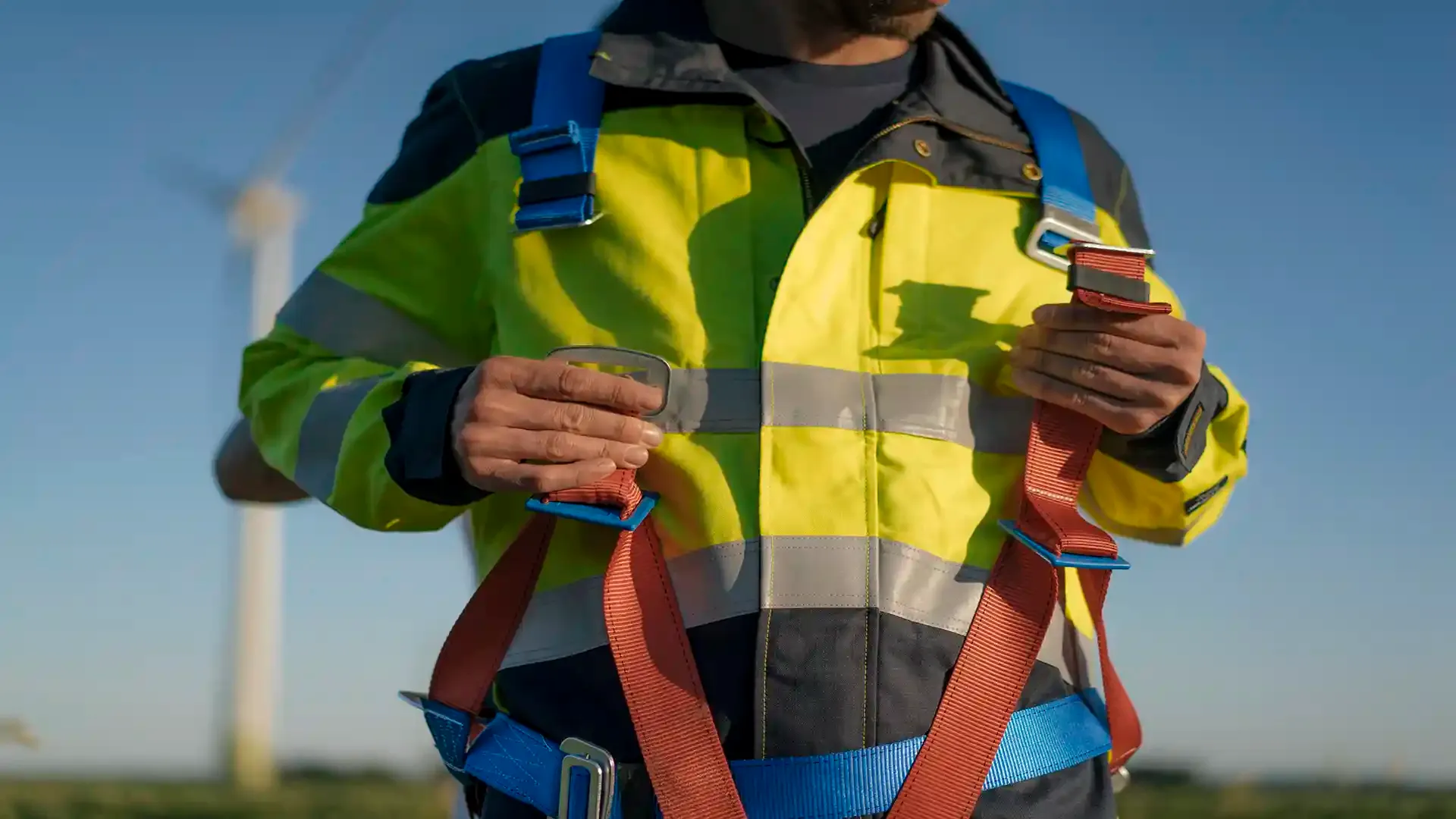
The proceedings addressed a safety harness, lanyards, safety lines attached to the forms, a positioning hook, a ladder, and a mechanical manlift. The parties disputed whether the alternative safety equipment was reasonably accessible to Cahill and whether he knowingly chose not to use an available safety line while climbing.
Why did the New York Court of Appeals reverse Cahill’s summary judgment?
The Court of Appeals found factual questions concerning Cahill’s knowledge and use of available safety equipment. Viewing the disputed evidence in the bridge authority’s favor at the summary judgment stage, the court concluded that a jury could determine whether Cahill knew an adequate device was available, had been instructed to use it, and chose not to do so without an adequate reason.
What role did plaintiff expert Mr. Wise have in the case?
Mr. Wise addressed conditions related to the accident, including worksite illumination, construction debris, worker safety training, access to safety equipment, and instructions concerning safety devices. His affidavit was offered into evidence at trial and discussed during the post-trial proceedings.
What was the final outcome of Cahill v. Triborough Bridge & Tunnel Authority?
The jury found no liability against the bridge authority under Labor Law § 240(1) but initially returned findings against it under §§ 200 and 241(6). After post-trial review and a later appeal, the Appellate Division dismissed the remaining claims and directed judgment in favor of the Triborough Bridge & Tunnel Authority on July 27, 2006.
Geotechnical Engineering, +4
Construction
Industrial Hygiene, +7
Construction