Accident Reconstruction, +4
Transportation
Loading
Transportation
5 min read
Areas of Expertise :
Environmental Engineering, Air Quality, Traffic Engineering, Public Health, Highway Design And Construction

Published Date:
Last Modified Date:
Jurisdiction:
Federal. Ninth Circuit
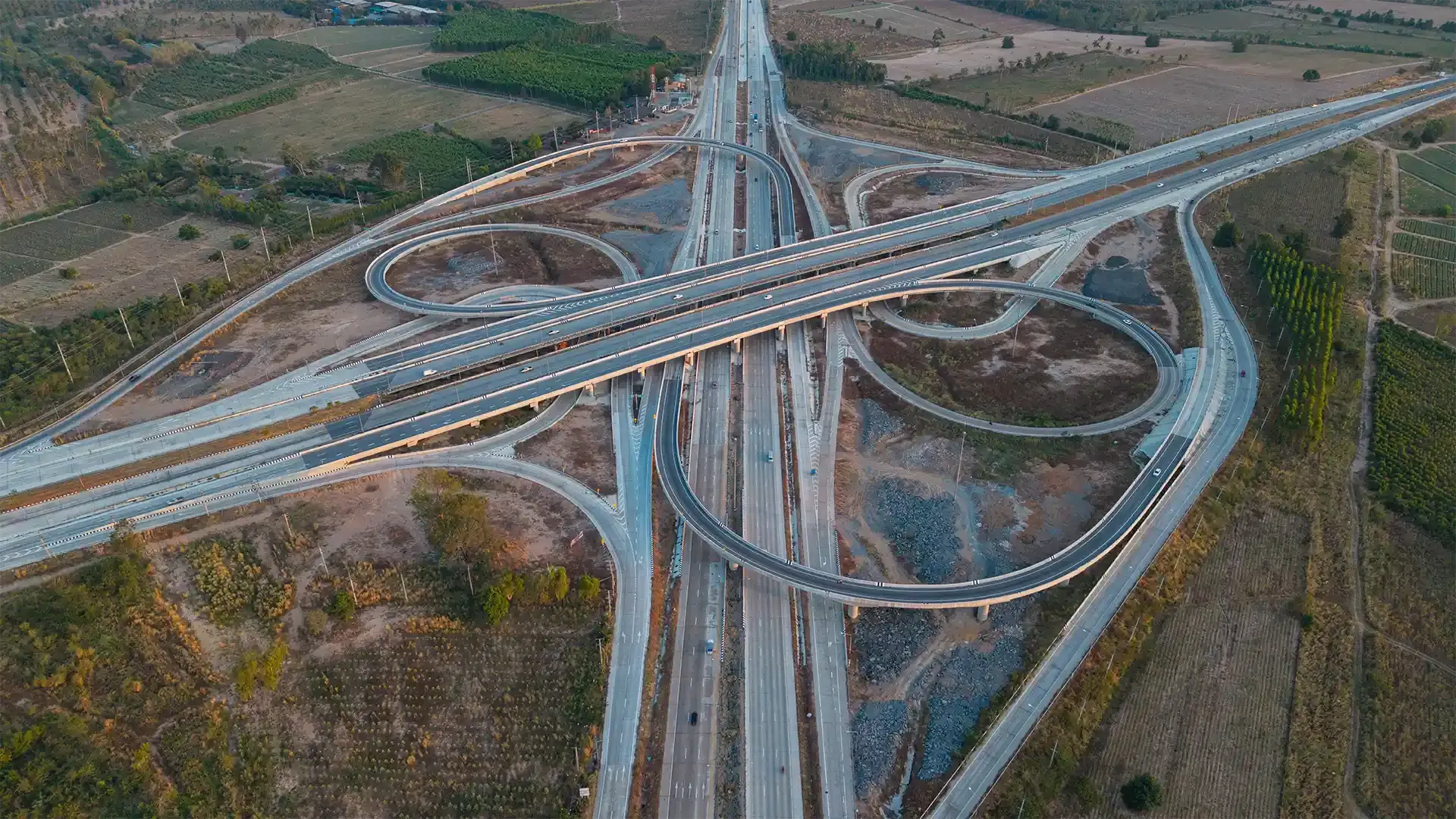
Friends of Calwa, Inc. et al. v. California Department of Transportation (Caltrans) and the Federal Highway Administration (FHWA) is an environmental justice and highway construction lawsuit challenging a Highway 99 interchange expansion in South Fresno, California. The project aims to reconstruct and expand the North Avenue and American Avenue interchanges to accommodate greater freight and truck capacity for nearby industrial developments.
The plaintiffs, Friends of Calwa and Fresno Building Healthy Communities, allege that Caltrans and FHWA approved the project without fully evaluating how increased diesel truck traffic and industrial growth would affect already polluted, low-income neighborhoods in South Fresno. The complaint cites violations of the California Environmental Quality Act (CEQA) and the National Environmental Policy Act (NEPA), claiming the environmental review understated air pollution, traffic, and cumulative health burdens.
Represented by Leadership Counsel for Justice and Accountability and law school environmental justice clinics, the plaintiffs argue that the case exemplifies how modern highway projects raise questions of health equity, air quality, and community protection under state and federal law.
Friends of Calwa and Fresno Building Healthy Communities sued Caltrans and FHWA in the U.S. District Court for the Eastern District of California (Fresno Division). The complaint alleged that the Highway 99 interchange expansion violated CEQA and NEPA. Plaintiffs claimed the agencies failed to disclose how the project would increase truck traffic, worsen diesel emissions, and intensify health risks in surrounding neighborhoods.
Caltrans disputed whether certain California-law claims (including CEQA) could be heard in federal court. Plaintiffs then filed those CEQA claims separately in Fresno County Superior Court. Caltrans moved for summary adjudication, arguing that the claims were time-barred.
In October 2024, the Fresno County Superior Court dismissed the CEQA claims on procedural grounds, temporarily halting the state-law portion of the case but leaving federal issues pending.
In March 2025, the California Court of Appeal ordered the trial court to reinstate the CEQA claims, finding procedural dismissal improper. By April 2025, the trial court complied, allowing the plaintiffs to continue arguing that Caltrans’ environmental review failed to meet CEQA’s standards, including assessment of diesel truck emissions, land-use changes, and cumulative health impacts. Meanwhile, FHWA requested federal reconsideration of whether the project complies with air quality regulations, a notable indication of federal responsiveness to environmental justice concerns.
As of October 2025, CEQA claims remain active. The Superior Court will evaluate whether Caltrans’ review adequately addressed pollution, noise, and community health impacts. Potential outcomes include new environmental studies, stronger mitigation requirements, or revisions to Caltrans’ review procedures for similar highway projects.
Court:
United States District Court for the Eastern District of California
Case Name:
Friends of Calwa, Inc., et al. v. California Department of Transportation, et al.
Air Pollution
Air Contaminant
Clean Air Act
Environmental Impact Reports EIRs
National Environmental Policy Act
Occupational And Environmental Health
Human Health Risk Assessment HHRA
Highway Construction
Transportation And Traffic Engineering
Environmental Compliance
Friends of Calwa, Inc. et al. v. California Department of Transportation (Caltrans) and the Federal Highway Administration (FHWA) is an environmental justice and highway construction lawsuit challenging a Highway 99 interchange expansion in South Fresno, California. The project aims to reconstruct and expand the North Avenue and American Avenue interchanges to accommodate greater freight and truck capacity for nearby industrial developments.
The plaintiffs, Friends of Calwa and Fresno Building Healthy Communities, allege that Caltrans and FHWA approved the project without fully evaluating how increased diesel truck traffic and industrial growth would affect already polluted, low-income neighborhoods in South Fresno. The complaint cites violations of the California Environmental Quality Act (CEQA) and the National Environmental Policy Act (NEPA), claiming the environmental review understated air pollution, traffic, and cumulative health burdens.
Represented by Leadership Counsel for Justice and Accountability and law school environmental justice clinics, the plaintiffs argue that the case exemplifies how modern highway projects raise questions of health equity, air quality, and community protection under state and federal law.
Friends of Calwa and Fresno Building Healthy Communities sued Caltrans and FHWA in the U.S. District Court for the Eastern District of California (Fresno Division). The complaint alleged that the Highway 99 interchange expansion violated CEQA and NEPA. Plaintiffs claimed the agencies failed to disclose how the project would increase truck traffic, worsen diesel emissions, and intensify health risks in surrounding neighborhoods.
Caltrans disputed whether certain California-law claims (including CEQA) could be heard in federal court. Plaintiffs then filed those CEQA claims separately in Fresno County Superior Court. Caltrans moved for summary adjudication, arguing that the claims were time-barred.
In October 2024, the Fresno County Superior Court dismissed the CEQA claims on procedural grounds, temporarily halting the state-law portion of the case but leaving federal issues pending.
In March 2025, the California Court of Appeal ordered the trial court to reinstate the CEQA claims, finding procedural dismissal improper. By April 2025, the trial court complied, allowing the plaintiffs to continue arguing that Caltrans’ environmental review failed to meet CEQA’s standards, including assessment of diesel truck emissions, land-use changes, and cumulative health impacts. Meanwhile, FHWA requested federal reconsideration of whether the project complies with air quality regulations, a notable indication of federal responsiveness to environmental justice concerns.
As of October 2025, CEQA claims remain active. The Superior Court will evaluate whether Caltrans’ review adequately addressed pollution, noise, and community health impacts. Potential outcomes include new environmental studies, stronger mitigation requirements, or revisions to Caltrans’ review procedures for similar highway projects.
Throughout the proceedings, plaintiffs have relied on technical analyses, including:
South Fresno ranks among California’s most pollution-burdened regions under CalEnviroScreen, underscoring the plaintiffs’ argument that the project worsens existing inequities. According to their filings, Caltrans’ Environmental Impact Report understated diesel emissions and did not sufficiently consider industrial expansion linked to the interchange upgrade.
Caltrans and FHWA maintain that their reviews comply with CEQA and NEPA, emphasizing mitigation measures and freight efficiency improvements.
Environmental Engineering Experts
Evaluate emissions modeling and construction air quality impacts to determine compliance with state and federal standards.
Transportation and Traffic Experts
Analyze roadway design, truck routing, and projected traffic volumes to assess congestion, safety, and pollution effects.
Public Health and Environmental Justice Experts
Assess community exposure to pollutants, health outcomes, and whether disproportionate burdens fall on vulnerable populations.
Highway Construction and Infrastructure Experts
Review construction engineering, safety standards, and staging methods for compliance with accepted practices.
Regulatory Compliance and Environmental Review Experts
Interpret CEQA, NEPA, and Clean Air Act rules to evaluate adequacy of environmental disclosures and mitigation.
These disciplines collectively help courts determine whether environmental and engineering standards were properly met in complex transportation projects.
Coordinating CEQA and NEPA in Joint Reviews
CEQA and NEPA impose distinct but parallel obligations to examine environmental impacts. When state and federal agencies jointly oversee projects, attorneys must identify analytical gaps and ensure consistent evaluation of health, traffic, and environmental justice concerns.
Environmental Justice as a Litigation Factor
The case underscores how environmental justice claims now shape infrastructure law. Courts increasingly expect agencies to quantify and disclose how freight and industrial projects affect already-polluted neighborhoods.
Preserving Documentation for Review
Environmental cases hinge on administrative records. Maintaining data on traffic modeling, emissions inventories, and agency correspondence is critical for appellate success, as seen in the CEQA claim revival here.
Adapting to Emerging Federal Environmental Justice Policies
Attorneys should monitor how new federal environmental justice guidelines and EPA equity frameworks influence highway construction reviews, as courts increasingly expect agencies to demonstrate transparent public engagement and measurable community-health protections in transportation infrastructure litigation.
Friends of Calwa, Inc. v. Caltrans and FHWA demonstrates how freight-oriented highway expansion intersects with environmental justice and air quality law. It shows that infrastructure agencies must rigorously assess diesel pollution, noise, and cumulative community health impacts before approval. The case signals that courts and federal regulators are increasingly attentive to whether agencies disclose, mitigate, and equitably address those impacts in transportation development.

What is Friends of Calwa, Inc. v. Caltrans and FHWA about?
The plaintiffs argue that Caltrans and FHWA approved a Highway 99 interchange expansion without adequately assessing how it would increase diesel truck traffic and air pollution in nearby communities.
Where does the project take place?
The project involves the North Avenue and American Avenue interchanges on Highway 99 in South Fresno, near planned industrial developments.
What is the case status?
As of October 2025, CEQA claims have been reinstated and remain active in Fresno County Superior Court.
How are technical issues like air pollution and traffic studied in this case?
The case relies on extensive environmental documentation, including air quality modeling, traffic impact studies, and public health data submitted through administrative records. These materials form the basis for evaluating compliance with CEQA and NEPA standards.
Why is this case significant for infrastructure law?
It highlights growing judicial attention to environmental justice, community health, and air-quality compliance in highway construction litigation.
Throughout the proceedings, plaintiffs have relied on technical analyses, including:
South Fresno ranks among California’s most pollution-burdened regions under CalEnviroScreen, underscoring the plaintiffs’ argument that the project worsens existing inequities. According to their filings, Caltrans’ Environmental Impact Report understated diesel emissions and did not sufficiently consider industrial expansion linked to the interchange upgrade.
Caltrans and FHWA maintain that their reviews comply with CEQA and NEPA, emphasizing mitigation measures and freight efficiency improvements.
Environmental Engineering Experts
Evaluate emissions modeling and construction air quality impacts to determine compliance with state and federal standards.
Transportation and Traffic Experts
Analyze roadway design, truck routing, and projected traffic volumes to assess congestion, safety, and pollution effects.
Public Health and Environmental Justice Experts
Assess community exposure to pollutants, health outcomes, and whether disproportionate burdens fall on vulnerable populations.
Highway Construction and Infrastructure Experts
Review construction engineering, safety standards, and staging methods for compliance with accepted practices.
Regulatory Compliance and Environmental Review Experts
Interpret CEQA, NEPA, and Clean Air Act rules to evaluate adequacy of environmental disclosures and mitigation.
These disciplines collectively help courts determine whether environmental and engineering standards were properly met in complex transportation projects.
Coordinating CEQA and NEPA in Joint Reviews
CEQA and NEPA impose distinct but parallel obligations to examine environmental impacts. When state and federal agencies jointly oversee projects, attorneys must identify analytical gaps and ensure consistent evaluation of health, traffic, and environmental justice concerns.
Environmental Justice as a Litigation Factor
The case underscores how environmental justice claims now shape infrastructure law. Courts increasingly expect agencies to quantify and disclose how freight and industrial projects affect already-polluted neighborhoods.
Preserving Documentation for Review
Environmental cases hinge on administrative records. Maintaining data on traffic modeling, emissions inventories, and agency correspondence is critical for appellate success, as seen in the CEQA claim revival here.
Adapting to Emerging Federal Environmental Justice Policies
Attorneys should monitor how new federal environmental justice guidelines and EPA equity frameworks influence highway construction reviews, as courts increasingly expect agencies to demonstrate transparent public engagement and measurable community-health protections in transportation infrastructure litigation.
Friends of Calwa, Inc. v. Caltrans and FHWA demonstrates how freight-oriented highway expansion intersects with environmental justice and air quality law. It shows that infrastructure agencies must rigorously assess diesel pollution, noise, and cumulative community health impacts before approval. The case signals that courts and federal regulators are increasingly attentive to whether agencies disclose, mitigate, and equitably address those impacts in transportation development.
What is Friends of Calwa, Inc. v. Caltrans and FHWA about?
The plaintiffs argue that Caltrans and FHWA approved a Highway 99 interchange expansion without adequately assessing how it would increase diesel truck traffic and air pollution in nearby communities.
Where does the project take place?
The project involves the North Avenue and American Avenue interchanges on Highway 99 in South Fresno, near planned industrial developments.
What is the case status?
As of October 2025, CEQA claims have been reinstated and remain active in Fresno County Superior Court.
How are technical issues like air pollution and traffic studied in this case?
The case relies on extensive environmental documentation, including air quality modeling, traffic impact studies, and public health data submitted through administrative records. These materials form the basis for evaluating compliance with CEQA and NEPA standards.
Why is this case significant for infrastructure law?
It highlights growing judicial attention to environmental justice, community health, and air-quality compliance in highway construction litigation.
Traffic Engineering, +3
Transportation
Traffic Engineering, +4
Transportation