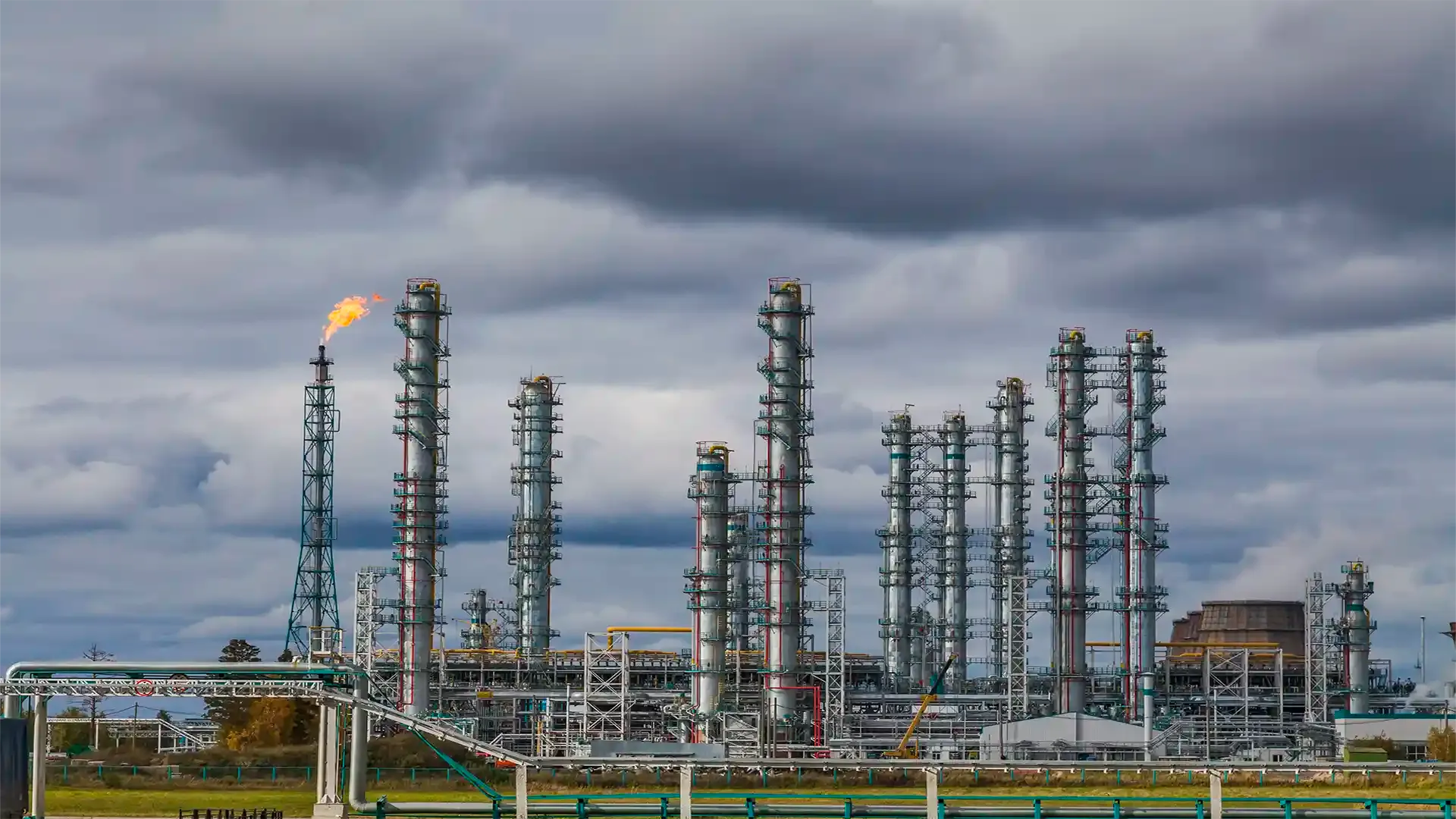
Oil And Gas, +5
Oil and Gas
Loading
Oil and Gas
7 min read
Areas of Expertise :
Environmental Engineering, Environmental Science, Hydrology, Pollution

Published Date:
Last Modified Date:
Jurisdiction:
New Hampshire State
Court:
In State of New Hampshire v. Exxon Mobil Corp., the New Hampshire Supreme Court upheld an amended verdict awarding more than $236 million to the State for widespread groundwater contamination linked to methyl tertiary-butyl ether (MTBE), a gasoline additive. Filed in 2003, the lawsuit alleged that Exxon and other gasoline suppliers, refiners, and chemical manufacturers knowingly distributed gasoline containing MTBE, which moved quickly through soil and groundwater and contaminated public and private drinking wells across New Hampshire. Because tracing contamination to individual suppliers was difficult, the State pursued recovery under a market share liability theory, assigning responsibility based on each defendant’s presence in the gasoline market.
The decision marked the first time New Hampshire recognized market share liability in an environmental tort case. The court accepted the theory based on the fungible nature of MTBE-containing gasoline and the difficulty of identifying the specific supplier responsible for contamination at affected well sites. The verdict also reflected broader national concern over MTBE’s persistence in groundwater after its use as a gasoline oxygenate during the federal Reformulated Gasoline Program. Exxon, which held about 29 percent of the New Hampshire gasoline market, challenged the verdict on due process, preemption, and separation of powers grounds, arguing that its MTBE use complied with federal law and that liability without individualized source proof violated its constitutional rights. The New Hampshire Supreme Court rejected Exxon’s main appellate challenges and upheld the amended verdict.
Before filing suit in 2003, New Hampshire had raised growing concerns over methyl tertiary-butyl ether (MTBE), a gasoline additive that became widely used after the 1990 Clean Air Act amendments. After joining the federal Reformulated Gasoline (RFG) Program in 1991, the state saw increased use of gasoline containing MTBE. By the late 1990s, scientific studies and regulatory findings had identified MTBE’s ability to move quickly through groundwater, prompting calls for legal accountability over contamination risks.
New Hampshire filed suit against nearly two dozen gasoline suppliers and chemical manufacturers, alleging statewide groundwater contamination from MTBE. Most defendants settled, but Exxon Mobil proceeded to trial, arguing that its use of MTBE was lawful and consistent with federal regulations. The state sought compensation for environmental remediation, well treatment, and future monitoring costs.
After a three-month trial against Exxon Mobil, the jury awarded $816,768,018 in total damages for statewide MTBE contamination. Because Exxon was the only remaining defendant at trial, the court applied the company’s 28.94% share of the New Hampshire gasoline market and entered an amended verdict of $236,372,644 against Exxon Mobil. The jury found Exxon liable for negligence, strict liability for design defect, and strict liability for failure to warn. New Hampshire supported its claims through statistical modeling used to estimate the extent and cost of groundwater contamination, a method Exxon argued violated due process.
The New Hampshire Supreme Court upheld the trial court’s rulings, including the use of market share liability and the acceptance of aggregate statistical evidence. The court rejected Exxon’s federal preemption arguments under the Clean Air Act, finding that MTBE was not federally mandated and that alternatives such as ethanol were available, even if less practical at the time. While the court affirmed the main liability and damages rulings, it reversed the trial court’s order imposing a trust on approximately $195 million of the award.
New Hampshire Supreme Court
Case Name:
State of New Hampshire v. Exxon Mobil Corporation
Groundwater Contamination
Hydrogeology
Remediation
Environmental Protection Agency EPA
In State of New Hampshire v. Exxon Mobil Corp., the New Hampshire Supreme Court upheld an amended verdict awarding more than $236 million to the State for widespread groundwater contamination linked to methyl tertiary-butyl ether (MTBE), a gasoline additive. Filed in 2003, the lawsuit alleged that Exxon and other gasoline suppliers, refiners, and chemical manufacturers knowingly distributed gasoline containing MTBE, which moved quickly through soil and groundwater and contaminated public and private drinking wells across New Hampshire. Because tracing contamination to individual suppliers was difficult, the State pursued recovery under a market share liability theory, assigning responsibility based on each defendant’s presence in the gasoline market.
The decision marked the first time New Hampshire recognized market share liability in an environmental tort case. The court accepted the theory based on the fungible nature of MTBE-containing gasoline and the difficulty of identifying the specific supplier responsible for contamination at affected well sites. The verdict also reflected broader national concern over MTBE’s persistence in groundwater after its use as a gasoline oxygenate during the federal Reformulated Gasoline Program. Exxon, which held about 29 percent of the New Hampshire gasoline market, challenged the verdict on due process, preemption, and separation of powers grounds, arguing that its MTBE use complied with federal law and that liability without individualized source proof violated its constitutional rights. The New Hampshire Supreme Court rejected Exxon’s main appellate challenges and upheld the amended verdict.
Before filing suit in 2003, New Hampshire had raised growing concerns over methyl tertiary-butyl ether (MTBE), a gasoline additive that became widely used after the 1990 Clean Air Act amendments. After joining the federal Reformulated Gasoline (RFG) Program in 1991, the state saw increased use of gasoline containing MTBE. By the late 1990s, scientific studies and regulatory findings had identified MTBE’s ability to move quickly through groundwater, prompting calls for legal accountability over contamination risks.
New Hampshire filed suit against nearly two dozen gasoline suppliers and chemical manufacturers, alleging statewide groundwater contamination from MTBE. Most defendants settled, but Exxon Mobil proceeded to trial, arguing that its use of MTBE was lawful and consistent with federal regulations. The state sought compensation for environmental remediation, well treatment, and future monitoring costs.
After a three-month trial against Exxon Mobil, the jury awarded $816,768,018 in total damages for statewide MTBE contamination. Because Exxon was the only remaining defendant at trial, the court applied the company’s 28.94% share of the New Hampshire gasoline market and entered an amended verdict of $236,372,644 against Exxon Mobil. The jury found Exxon liable for negligence, strict liability for design defect, and strict liability for failure to warn. New Hampshire supported its claims through statistical modeling used to estimate the extent and cost of groundwater contamination, a method Exxon argued violated due process.
The New Hampshire Supreme Court upheld the trial court’s rulings, including the use of market share liability and the acceptance of aggregate statistical evidence. The court rejected Exxon’s federal preemption arguments under the Clean Air Act, finding that MTBE was not federally mandated and that alternatives such as ethanol were available, even if less practical at the time. While the court affirmed the main liability and damages rulings, it reversed the trial court’s order imposing a trust on approximately $195 million of the award.
1. Hydrogeology and Remediation Expert Witnesses (Plaintiff/State)
Hydrogeology and remediation evidence for the State addressed MTBE occurrence, groundwater impacts, and the projected costs of investigation, monitoring, treatment, and cleanup. The record identifies Dr. Graham Fogg as a hydrogeologist and professor of hydrogeology, Beckett as providing hydrogeologic and environmental consulting services, and Dr. Ian Hutchison as a civil engineer and Ph.D. hydrologist who addressed pollution investigation, groundwater cleanup, and cost estimating. Their opinions were central to Exxon’s challenge to the State’s use of aggregate statistical evidence rather than site-by-site proof.
2. Environmental Protection Agency (EPA) Expert Witness
EPA regulatory evidence is often relevant in environmental contamination litigation involving Clean Air Act requirements, fuel standards, oxygenate rules, and compliance defenses. In an MTBE case, this testimony may explain how federal fuel regulations affected gasoline formulation decisions and how those regulations relate to arguments that MTBE use complied with federal law. It can also help separate lawful regulatory compliance from the separate question of whether state tort liability may still apply.
3. Public Health Expert Witness
Public health and environmental exposure assessment experts may be consulted in groundwater contamination litigation to evaluate risks from pollutants in drinking water. Their work can address contaminant concentrations, exposure pathways, regulatory thresholds, and potential effects on community health.
4. Groundwater Contamination Expert Witness
Groundwater contamination experts may be consulted to evaluate pollutant movement, aquifer vulnerability, and remediation options. In MTBE matters, their work can include assessing contamination extent, estimating cleanup costs, and evaluating the feasibility of long-term monitoring, treatment, or other mitigation measures.
1. Market Share Liability May Apply When Source Identification Is Impractical
State v. Exxon Mobil shows how courts may apply market share liability when contamination is widespread and individual source identification is impractical. In environmental contamination claims involving fungible products, lawyers should be prepared to address statistical causation models and proportional liability arguments.
2. Aggregate Statistical Evidence Can Support Statewide Claims
New Hampshire relied on aggregate data to establish liability and damages for widespread groundwater contamination. The New Hampshire Supreme Court’s acceptance of that approach is important for cases involving diffuse environmental harm where site-by-site proof may be difficult to present.
3. Federal Compliance May Not Bar State Tort Liability
Exxon argued that its use of MTBE complied with federal Reformulated Gasoline requirements, but the court rejected its federal preemption defense. Environmental litigants must evaluate both federal regulatory standards and state tort doctrines when assessing liability exposure.
4. Parens Patriae Standing Can Support State-Led Environmental Recovery
New Hampshire’s use of parens patriae standing allowed the State to pursue recovery for alleged statewide groundwater contamination, including impacts tied to private wells and future groundwater investigation, monitoring, and remediation. In government-led environmental cases, this type of standing can allow a state to seek broader relief than individual property owners might pursue on their own, while still requiring the state to prove the underlying tort claims and damages.
5. Constitutional Challenges Require Clear Preservation
Exxon raised due process and separation of powers arguments, but some constitutional issues were only partly preserved for appellate review. Trial teams must clearly raise and preserve federal constitutional claims in the trial court before relying on them on appeal.
State of New Hampshire v. Exxon Mobil Corp. remains a major groundwater contamination and environmental tort decision involving MTBE, market share liability, and statewide damages. The New Hampshire Supreme Court upheld a $236 million amended verdict against Exxon Mobil and allowed the State to rely on aggregate statistical evidence where source-specific proof was difficult. The case also shows how federal regulatory compliance may not prevent state tort liability when claims involve product risks, groundwater impacts, failure to warn, and long-term remediation costs. For environmental litigation teams, the decision reinforces the value of early technical input on hydrogeology, remediation planning, regulatory compliance, public health, contaminant transport, damages modeling, and evidentiary challenges.

What claims did the jury find Exxon Mobil liable for?
The jury found Exxon Mobil liable for negligence, strict liability for design defect, and strict liability for failure to warn. These findings were tied to New Hampshire’s claims that MTBE-containing gasoline created statewide groundwater contamination risks. The verdict was later reduced according to Exxon Mobil’s 28.94% share of the New Hampshire gasoline market.
What is MTBE and why did it raise groundwater concerns?
MTBE, or methyl tertiary-butyl ether, is a gasoline additive used to increase oxygen content in fuel and reduce air emissions. It dissolves easily in water and can move quickly through groundwater, making contamination difficult to isolate once it reaches drinking water sources. In drinking water, MTBE can create taste and odor problems and raise exposure concerns when detected above regulatory thresholds.
Why was Exxon Mobil held liable if MTBE use was allowed under federal law?
The court found that federal law permitted MTBE use but did not require Exxon Mobil to use it. The New Hampshire Supreme Court rejected Exxon’s federal preemption defense and found that alternatives such as ethanol were available, even if less practical at the time. Federal regulatory compliance did not bar state tort liability.
How did the court calculate Exxon Mobil’s $236 million damages award?
The jury awarded $816,768,018 in total damages for statewide MTBE contamination. Because Exxon Mobil was the only remaining defendant at trial, the court applied the company’s 28.94% share of the New Hampshire gasoline market. That calculation resulted in an amended verdict of $236,372,644 against Exxon Mobil.
What is market share liability in environmental litigation?
Market share liability assigns responsibility based on a company’s share of the relevant product market when the exact source of harm cannot be identified. New Hampshire used this theory because MTBE contamination was widespread and difficult to trace to individual gasoline suppliers. The court allowed the theory based on the fungible nature of MTBE-containing gasoline and the practical difficulty of identifying the supplier responsible for contamination at each affected site.
1. Hydrogeology and Remediation Expert Witnesses (Plaintiff/State)
Hydrogeology and remediation evidence for the State addressed MTBE occurrence, groundwater impacts, and the projected costs of investigation, monitoring, treatment, and cleanup. The record identifies Dr. Graham Fogg as a hydrogeologist and professor of hydrogeology, Beckett as providing hydrogeologic and environmental consulting services, and Dr. Ian Hutchison as a civil engineer and Ph.D. hydrologist who addressed pollution investigation, groundwater cleanup, and cost estimating. Their opinions were central to Exxon’s challenge to the State’s use of aggregate statistical evidence rather than site-by-site proof.
2. Environmental Protection Agency (EPA) Expert Witness
EPA regulatory evidence is often relevant in environmental contamination litigation involving Clean Air Act requirements, fuel standards, oxygenate rules, and compliance defenses. In an MTBE case, this testimony may explain how federal fuel regulations affected gasoline formulation decisions and how those regulations relate to arguments that MTBE use complied with federal law. It can also help separate lawful regulatory compliance from the separate question of whether state tort liability may still apply.
3. Public Health Expert Witness
Public health and environmental exposure assessment experts may be consulted in groundwater contamination litigation to evaluate risks from pollutants in drinking water. Their work can address contaminant concentrations, exposure pathways, regulatory thresholds, and potential effects on community health.
4. Groundwater Contamination Expert Witness
Groundwater contamination experts may be consulted to evaluate pollutant movement, aquifer vulnerability, and remediation options. In MTBE matters, their work can include assessing contamination extent, estimating cleanup costs, and evaluating the feasibility of long-term monitoring, treatment, or other mitigation measures.
1. Market Share Liability May Apply When Source Identification Is Impractical
State v. Exxon Mobil shows how courts may apply market share liability when contamination is widespread and individual source identification is impractical. In environmental contamination claims involving fungible products, lawyers should be prepared to address statistical causation models and proportional liability arguments.
2. Aggregate Statistical Evidence Can Support Statewide Claims
New Hampshire relied on aggregate data to establish liability and damages for widespread groundwater contamination. The New Hampshire Supreme Court’s acceptance of that approach is important for cases involving diffuse environmental harm where site-by-site proof may be difficult to present.
3. Federal Compliance May Not Bar State Tort Liability
Exxon argued that its use of MTBE complied with federal Reformulated Gasoline requirements, but the court rejected its federal preemption defense. Environmental litigants must evaluate both federal regulatory standards and state tort doctrines when assessing liability exposure.
4. Parens Patriae Standing Can Support State-Led Environmental Recovery
New Hampshire’s use of parens patriae standing allowed the State to pursue recovery for alleged statewide groundwater contamination, including impacts tied to private wells and future groundwater investigation, monitoring, and remediation. In government-led environmental cases, this type of standing can allow a state to seek broader relief than individual property owners might pursue on their own, while still requiring the state to prove the underlying tort claims and damages.
5. Constitutional Challenges Require Clear Preservation
Exxon raised due process and separation of powers arguments, but some constitutional issues were only partly preserved for appellate review. Trial teams must clearly raise and preserve federal constitutional claims in the trial court before relying on them on appeal.
State of New Hampshire v. Exxon Mobil Corp. remains a major groundwater contamination and environmental tort decision involving MTBE, market share liability, and statewide damages. The New Hampshire Supreme Court upheld a $236 million amended verdict against Exxon Mobil and allowed the State to rely on aggregate statistical evidence where source-specific proof was difficult. The case also shows how federal regulatory compliance may not prevent state tort liability when claims involve product risks, groundwater impacts, failure to warn, and long-term remediation costs. For environmental litigation teams, the decision reinforces the value of early technical input on hydrogeology, remediation planning, regulatory compliance, public health, contaminant transport, damages modeling, and evidentiary challenges.
What claims did the jury find Exxon Mobil liable for?
The jury found Exxon Mobil liable for negligence, strict liability for design defect, and strict liability for failure to warn. These findings were tied to New Hampshire’s claims that MTBE-containing gasoline created statewide groundwater contamination risks. The verdict was later reduced according to Exxon Mobil’s 28.94% share of the New Hampshire gasoline market.
What is MTBE and why did it raise groundwater concerns?
MTBE, or methyl tertiary-butyl ether, is a gasoline additive used to increase oxygen content in fuel and reduce air emissions. It dissolves easily in water and can move quickly through groundwater, making contamination difficult to isolate once it reaches drinking water sources. In drinking water, MTBE can create taste and odor problems and raise exposure concerns when detected above regulatory thresholds.
Why was Exxon Mobil held liable if MTBE use was allowed under federal law?
The court found that federal law permitted MTBE use but did not require Exxon Mobil to use it. The New Hampshire Supreme Court rejected Exxon’s federal preemption defense and found that alternatives such as ethanol were available, even if less practical at the time. Federal regulatory compliance did not bar state tort liability.
How did the court calculate Exxon Mobil’s $236 million damages award?
The jury awarded $816,768,018 in total damages for statewide MTBE contamination. Because Exxon Mobil was the only remaining defendant at trial, the court applied the company’s 28.94% share of the New Hampshire gasoline market. That calculation resulted in an amended verdict of $236,372,644 against Exxon Mobil.
What is market share liability in environmental litigation?
Market share liability assigns responsibility based on a company’s share of the relevant product market when the exact source of harm cannot be identified. New Hampshire used this theory because MTBE contamination was widespread and difficult to trace to individual gasoline suppliers. The court allowed the theory based on the fungible nature of MTBE-containing gasoline and the practical difficulty of identifying the supplier responsible for contamination at each affected site.
Why did New Hampshire use statistical evidence instead of tracing each contamination source?
New Hampshire relied on aggregate statistical evidence because MTBE can disperse through groundwater in ways that make supplier-by-supplier tracing difficult. The state used statistical models to estimate contamination scope, investigation needs, treatment costs, and future monitoring costs. The New Hampshire Supreme Court upheld that approach in the context of statewide, diffuse groundwater contamination.
Oil and Gas
Hydrology, +4
Oil and Gas
Electrical Engineering, +4
Oil and Gas
Why did New Hampshire use statistical evidence instead of tracing each contamination source?
New Hampshire relied on aggregate statistical evidence because MTBE can disperse through groundwater in ways that make supplier-by-supplier tracing difficult. The state used statistical models to estimate contamination scope, investigation needs, treatment costs, and future monitoring costs. The New Hampshire Supreme Court upheld that approach in the context of statewide, diffuse groundwater contamination.