Maritime, +3
Maritime
Loading
Maritime
8 min read
Areas of Expertise :
Maritime, Cargo And Shipping, Marine Engineering, Freight

Published Date:
Last Modified Date:
Jurisdiction:
Federal. Second Circuit
Court:
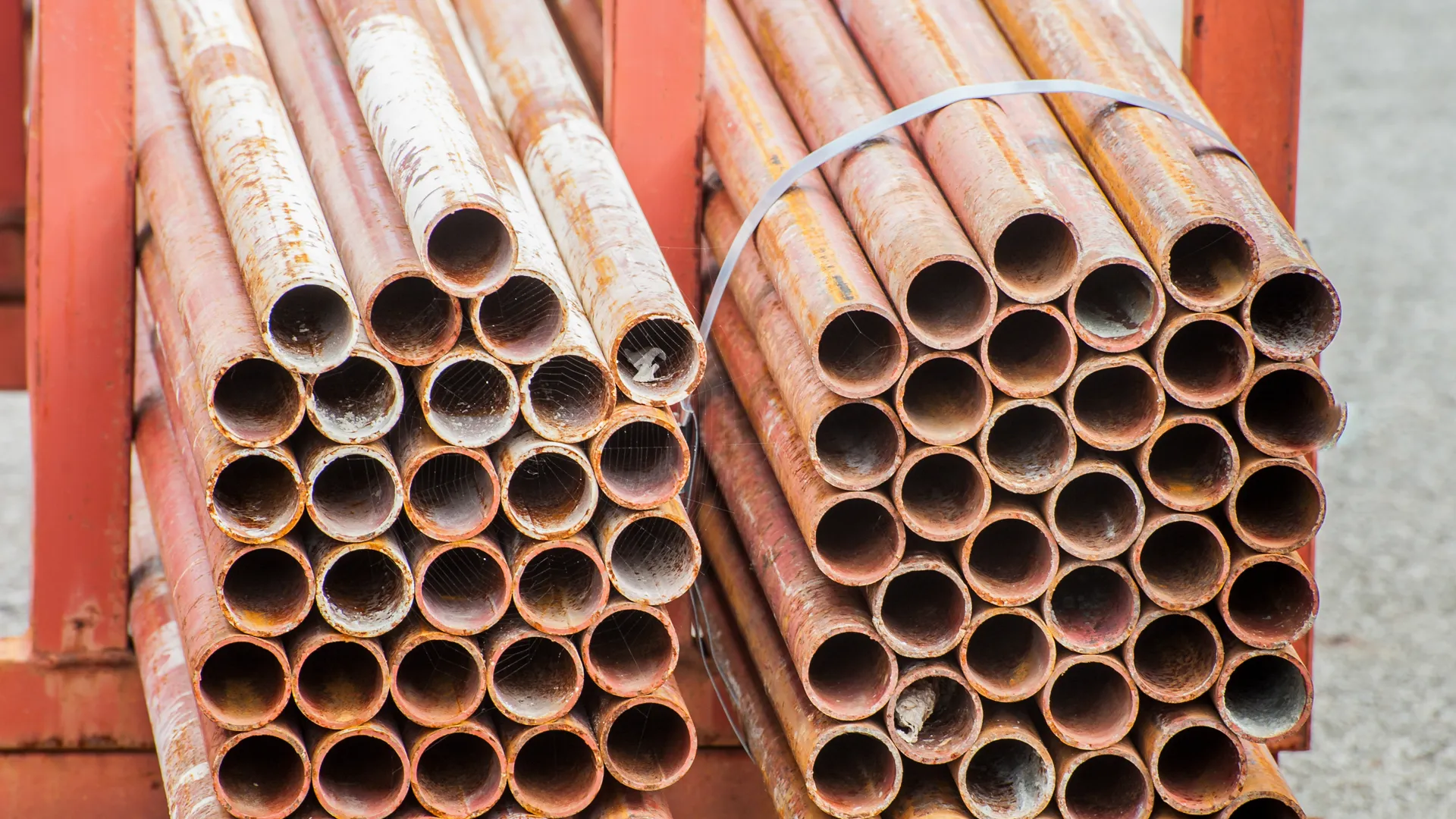
A shipment of 9,960 steel pipes left Shanghai, China, aboard the bulk carrier M/V Akili in 2006. Before loading, the pipes showed no significant physical damage apart from rusting. By the time they reached New Orleans, however, many had flattened ends, dents, and other damage requiring extensive repairs. The shipment belonged to MAN Ferrostaal, Inc., which had purchased the pipes for resale to McJunkin Appalachian Oilfield. A dispute followed over the vessel's cargo-loading arrangement, particularly the decision to place thin-walled pipes beneath substantially heavier steel cargo despite a surveyor's warning about possible deformation.
Ferrostaal filed a maritime lawsuit in the U.S. District Court for the Southern District of New York on July 9, 2007. Marine surveyors examined the cargo at different stages of transportation, documenting its condition, the arrangement of supporting materials, and the damage discovered after unloading. The district court ultimately held the M/V Akili liable for improper stowage and awarded Ferrostaal $313,373.49 plus prejudgment interest. On December 6, 2012, the Second Circuit affirmed the judgment, finding that the applicable maritime rules did not allow the vessel to avoid liability through provisions in the shipping agreement.
Marine surveyor Lu Jiangming inspected Ferrostaal's pipes at the Shanghai loading yard on June 22, finding no significant physical damage beyond rusting. When he reviewed the vessel's stowage plan, he learned that approximately 1,500 metric tons of thin-walled pipes would be placed beneath 2,600 metric tons of thicker-walled pipes scheduled for discharge in Houston. Lu was concerned that the weight of the upper cargo could dent the thinner pipe walls and recommended placing Ferrostaal's shipment above the heavier material. Captain Zhong, the supercargo acting on behalf of SM China and responsible for loading decisions, rejected the recommendation. Loading continued from June 23 through June 27, and another 729 metric tons of cargo was later stored above the pipes at Xingang, China.
After making its first U.S. cargo stop in Houston, the M/V Akili arrived in New Orleans on September 2. Matthew Salkeld, a marine surveyor with Capt. I.S. Derrick LLC, examined Ferrostaal's pipes aboard the vessel and during discharge operations between September 4 and September 10. He recorded flattened pipe ends, damaged securing bands, signs of contact with the forward bulkhead, and compression-related damage. He also found crushed and disintegrated wooden supports, known as dunnage, and concluded that excessive cargo weight and poor support arrangements had contributed to the damage. Salkeld observed no additional damage during the transfer to a river barge and found the cargo support arrangements aboard that barge appropriate.
The shipment reached the CSI River Terminal in West Elizabeth, Pennsylvania, on October 10, where further inspections began the following day. Marine surveyors John Coletti and Severo Calima examined the pipes and documented bent sections, wall dents, damaged bevels, and defects at the pipe ends. Calima joined Ferrostaal and McJunkin representatives for another examination on October 19, when they determined that many pipes could not be accepted for their intended use without repairs. Calima attributed the damage to excessive compression and inadequate cargo support, including insufficient protection between the pipes and the vessel's side frames. The participants agreed that the repair work would take place at the Pennsylvania terminal.
Ferrostaal hired Houston Tubulars, Inc. to inspect and repair the shipment after suitable local repair services could not be arranged. Work began on January 9 and continued through February 22, 2007, including a procedure called drifting, which checks whether the inside of a pipe remains clear and within the required dimensions. Additional survey inspections took place in March, with representatives of Empire Stevedoring and the vessel's protection and indemnity insurer examining remaining unrepaired material alongside Calima. After reviewing the repair records, Calima considered the $286,078.32 in inspection and repair expenses reasonable and necessary. His final survey, issued June 4, 2007, addressed improper stowage and cargo handling associated with the vessel's loading and discharge, rather than conditions during the subsequent river barge transportation.
Ferrostaal filed a verified complaint in the Southern District of New York, seeking compensation for the damaged shipment. The company brought an in rem claim against the M/V Akili, a maritime proceeding directed against the vessel itself, and personal liability claims against Akela Navigation Co., Ltd., Almi Marine Management SA, and SM China Co., Ltd. The dispute concerned the cause of the cargo damage and the responsibilities assigned to the vessel and other parties under the shipping agreements. Akela and Almi filed cross-claims against SM China, which had arranged Ferrostaal's voyage charter. SM China was later dismissed from Ferrostaal's action because it had not been served.
As the proceedings continued, Ferrostaal learned that the M/V Akili was expected to visit a Louisiana port and requested permission to transfer its in rem claim to the Eastern District of Louisiana. This would have allowed Ferrostaal to seek the vessel's arrest as security for the maritime claim. The transfer was approved, but the vessel's insurer provided a letter of undertaking to secure covered liability without an arrest. By March 2009, the vessel claim had returned to the Southern District of New York under a separate case number. The vessel claim and the personal liability proceedings were later tried together and resolved through a combined judgment, although they were never formally consolidated.
Following a nonjury trial on January 20, U.S. District Judge Denise Cote issued findings of fact and conclusions of law. The court determined that Ferrostaal's pipes had been received for shipment in generally good physical condition and discharged with substantial damage. The survey evidence, cargo-loading records, and acknowledgment of improper stowage supported the finding that the damage occurred while the pipes were aboard the M/V Akili. The court held the vessel liable in rem and calculated damages at $313,373.49, together with compound prejudgment interest beginning October 17, 2006. It dismissed the personal liability claims against Akela Navigation and Almi Marine Management, finding that neither qualified as a carrier under the applicable analysis and that the evidence did not establish a separate basis for personal liability.
The U.S. Court of Appeals for the Second Circuit affirmed the district court's judgment after considering the vessel's appeal and Ferrostaal's cross-appeal. The appellate court explained that a vessel's in rem liability for cargo damage arises under maritime common law when a carrier breaches its contractual or statutory obligations. It also examined the voyage charter's free-in-and-out provision, which assigned certain cargo-handling expenses and purported to protect the vessel from related risks. Because the charter incorporated the Hague-Visby Rules, the court determined that the provision could not eliminate liability for improper stowage. The court did not decide whether the Carriage of Goods by Sea Act independently governed the voyage and upheld the dismissal of the personal claims against Akela and Almi because the required exclusive possession for a bailment claim had not been established.
United States Court of Appeals for the Second Circuit
Case Name:
MAN Ferrostaal, Inc. v. M/V Akili
Ferrostaal’s shipment of 9,960 steel pipes sustained extensive dents, flattened ends, and other damage while aboard the M/V Akili.
The dispute focused on cargo stowage, dunnage, weight distribution, and whether heavier steel cargo placed above the pipes caused the deformation.
Marine surveyors documented compression damage, crushed supports, and inadequate cargo protection during and after discharge.
The district court held the M/V Akili liable in rem for improper stowage and awarded Ferrostaal $313,373.49 plus prejudgment interest.
The Second Circuit affirmed the judgment in 2012 and rejected the vessel’s attempt to avoid liability through the voyage charter’s cargo-handling provisions.
Admiralty Law
Vessel Operations
Steel
Damage Analysis
Structural Analysis
A shipment of 9,960 steel pipes left Shanghai, China, aboard the bulk carrier M/V Akili in 2006. Before loading, the pipes showed no significant physical damage apart from rusting. By the time they reached New Orleans, however, many had flattened ends, dents, and other damage requiring extensive repairs. The shipment belonged to MAN Ferrostaal, Inc., which had purchased the pipes for resale to McJunkin Appalachian Oilfield. A dispute followed over the vessel's cargo-loading arrangement, particularly the decision to place thin-walled pipes beneath substantially heavier steel cargo despite a surveyor's warning about possible deformation.
Ferrostaal filed a maritime lawsuit in the U.S. District Court for the Southern District of New York on July 9, 2007. Marine surveyors examined the cargo at different stages of transportation, documenting its condition, the arrangement of supporting materials, and the damage discovered after unloading. The district court ultimately held the M/V Akili liable for improper stowage and awarded Ferrostaal $313,373.49 plus prejudgment interest. On December 6, 2012, the Second Circuit affirmed the judgment, finding that the applicable maritime rules did not allow the vessel to avoid liability through provisions in the shipping agreement.
Marine surveyor Lu Jiangming inspected Ferrostaal's pipes at the Shanghai loading yard on June 22, finding no significant physical damage beyond rusting. When he reviewed the vessel's stowage plan, he learned that approximately 1,500 metric tons of thin-walled pipes would be placed beneath 2,600 metric tons of thicker-walled pipes scheduled for discharge in Houston. Lu was concerned that the weight of the upper cargo could dent the thinner pipe walls and recommended placing Ferrostaal's shipment above the heavier material. Captain Zhong, the supercargo acting on behalf of SM China and responsible for loading decisions, rejected the recommendation. Loading continued from June 23 through June 27, and another 729 metric tons of cargo was later stored above the pipes at Xingang, China.
After making its first U.S. cargo stop in Houston, the M/V Akili arrived in New Orleans on September 2. Matthew Salkeld, a marine surveyor with Capt. I.S. Derrick LLC, examined Ferrostaal's pipes aboard the vessel and during discharge operations between September 4 and September 10. He recorded flattened pipe ends, damaged securing bands, signs of contact with the forward bulkhead, and compression-related damage. He also found crushed and disintegrated wooden supports, known as dunnage, and concluded that excessive cargo weight and poor support arrangements had contributed to the damage. Salkeld observed no additional damage during the transfer to a river barge and found the cargo support arrangements aboard that barge appropriate.
The shipment reached the CSI River Terminal in West Elizabeth, Pennsylvania, on October 10, where further inspections began the following day. Marine surveyors John Coletti and Severo Calima examined the pipes and documented bent sections, wall dents, damaged bevels, and defects at the pipe ends. Calima joined Ferrostaal and McJunkin representatives for another examination on October 19, when they determined that many pipes could not be accepted for their intended use without repairs. Calima attributed the damage to excessive compression and inadequate cargo support, including insufficient protection between the pipes and the vessel's side frames. The participants agreed that the repair work would take place at the Pennsylvania terminal.
Ferrostaal hired Houston Tubulars, Inc. to inspect and repair the shipment after suitable local repair services could not be arranged. Work began on January 9 and continued through February 22, 2007, including a procedure called drifting, which checks whether the inside of a pipe remains clear and within the required dimensions. Additional survey inspections took place in March, with representatives of Empire Stevedoring and the vessel's protection and indemnity insurer examining remaining unrepaired material alongside Calima. After reviewing the repair records, Calima considered the $286,078.32 in inspection and repair expenses reasonable and necessary. His final survey, issued June 4, 2007, addressed improper stowage and cargo handling associated with the vessel's loading and discharge, rather than conditions during the subsequent river barge transportation.
Ferrostaal filed a verified complaint in the Southern District of New York, seeking compensation for the damaged shipment. The company brought an in rem claim against the M/V Akili, a maritime proceeding directed against the vessel itself, and personal liability claims against Akela Navigation Co., Ltd., Almi Marine Management SA, and SM China Co., Ltd. The dispute concerned the cause of the cargo damage and the responsibilities assigned to the vessel and other parties under the shipping agreements. Akela and Almi filed cross-claims against SM China, which had arranged Ferrostaal's voyage charter. SM China was later dismissed from Ferrostaal's action because it had not been served.
As the proceedings continued, Ferrostaal learned that the M/V Akili was expected to visit a Louisiana port and requested permission to transfer its in rem claim to the Eastern District of Louisiana. This would have allowed Ferrostaal to seek the vessel's arrest as security for the maritime claim. The transfer was approved, but the vessel's insurer provided a letter of undertaking to secure covered liability without an arrest. By March 2009, the vessel claim had returned to the Southern District of New York under a separate case number. The vessel claim and the personal liability proceedings were later tried together and resolved through a combined judgment, although they were never formally consolidated.
Following a nonjury trial on January 20, U.S. District Judge Denise Cote issued findings of fact and conclusions of law. The court determined that Ferrostaal's pipes had been received for shipment in generally good physical condition and discharged with substantial damage. The survey evidence, cargo-loading records, and acknowledgment of improper stowage supported the finding that the damage occurred while the pipes were aboard the M/V Akili. The court held the vessel liable in rem and calculated damages at $313,373.49, together with compound prejudgment interest beginning October 17, 2006. It dismissed the personal liability claims against Akela Navigation and Almi Marine Management, finding that neither qualified as a carrier under the applicable analysis and that the evidence did not establish a separate basis for personal liability.
The U.S. Court of Appeals for the Second Circuit affirmed the district court's judgment after considering the vessel's appeal and Ferrostaal's cross-appeal. The appellate court explained that a vessel's in rem liability for cargo damage arises under maritime common law when a carrier breaches its contractual or statutory obligations. It also examined the voyage charter's free-in-and-out provision, which assigned certain cargo-handling expenses and purported to protect the vessel from related risks. Because the charter incorporated the Hague-Visby Rules, the court determined that the provision could not eliminate liability for improper stowage. The court did not decide whether the Carriage of Goods by Sea Act independently governed the voyage and upheld the dismissal of the personal claims against Akela and Almi because the required exclusive possession for a bailment claim had not been established.
Marine Cargo Damage Expert Witness: Matthew Salkeld (Plaintiff)
Matthew Salkeld, a marine surveyor with Capt. I.S. Derrick LLC, inspected Ferrostaal's steel pipes aboard the M/V Akili and during discharge operations in New Orleans. His examination documented flattened pipe ends, broken securing bands, signs of contact with the vessel's forward bulkhead, and damage consistent with compression. He also observed crushed and disintegrated dunnage, which he believed had concentrated the weight of heavier cargo onto the pipes beneath it.
Salkeld attributed the damage to poor cargo stowage practices, including excessive weight from the cargo above and improper use of supporting materials. He reported no additional damage during discharge to the river barge. Ferrostaal submitted his survey report and deposition as evidence, and the district court expressly discussed his expert opinion concerning the stowage and dunnage arrangements.
Cargo Damage Expert Witness: Severo Calima (Plaintiff)
Severo Calima, also known as Bert Calima, was a marine surveyor with Capt. I.S. Derrick LLC who examined the shipment after its arrival in Pennsylvania. His assessment documented wall dents, bent pipes, damaged bevels, and defects requiring repairs. Based on his examination and earlier survey findings, Calima attributed the damage to improper stowage aboard the M/V Akili and handling associated with the vessel's loading and discharge. He identified inadequate dunnage, excessive compression, and insufficient cargo support among the contributing conditions. He did not attribute the damage to conditions during the subsequent river barge transportation.
Calima reviewed invoices totaling $286,078.32 for inspection and repair work and considered those expenses fair, reasonable, and necessary. His findings appeared in a June 4, 2007 damage survey, and Ferrostaal submitted his direct testimony by affidavit during the nonjury proceedings. The district court expressly considered his expert opinions on cargo damage and repair expenses.
Marine Engineering Expert Witness
Marine engineering experts may assess vessel cargo-loading arrangements, weight distribution, structural support, and stowage conditions in cargo damage disputes. Their work can include examining how excessive loads, inadequate dunnage, and contact with vessel structures contribute to cargo deformation.
Heavy Cargo Placement and Steel Pipe Deformation
The M/V Akili carried Ferrostaal's thin-walled pipes beneath heavier steel products belonging to other shippers. Lu Jiangming had questioned this arrangement before loading because the weight above the pipes could cause dents or other deformation. The district court later found that the damage resulted from the improper placement of heavy third-party cargo over Ferrostaal's shipment. It distinguished that arrangement from the initial loading of Ferrostaal's pipes, for which the defendants had not established improper handling by the cargo owner. The ruling addressed the conditions created by the combined cargo arrangement inside the vessel's hold.
Dunnage and Structural Contact in Cargo Damage
Wooden dunnage was placed between tiers of steel pipes to separate and support the cargo during transportation. Salkeld found that some of these supports had been crushed or had disintegrated, while other physical evidence suggested that pressure had been concentrated on the pipes beneath them. Calima also identified insufficient protection where the cargo could come into contact with the vessel's side frames. These observations were consistent with the dents, flattened ends, and bending recorded during the discharge and delivery inspections. The court accepted the evidence connecting those conditions to improper stowage aboard the vessel.
Missing Pipe-End Caps and the Cause of Damage
Many of Ferrostaal's pipes did not have orange plastic end caps when they were inspected before loading. The defendants raised this condition during the dispute, but the court found that the missing caps did not account for the damage claimed. The caps were intended to provide limited protection against minor impacts and damage to pipe ends or bevels. They were not designed to prevent the substantial compression and deformation observed in the shipment. The court therefore attributed the cargo loss to the stowage conditions rather than the absence of protective caps.
Repair Costs and the Calculation of Cargo Damages
The damaged pipes were inspected to determine which could be repaired and which would need to be sold as scrap. McJunkin purchased the undamaged and repaired material, while the remaining unusable pipes were sold for salvage value. Ferrostaal originally sought $313,429.96, but the district court adjusted the requested amount to reflect the losses and expenses established through the evidence. It awarded $637.38 for diminished cargo value and $312,736.11 for repair and related expenses, totaling $313,373.49. The court also granted compound prejudgment interest at an average annual Treasury bill rate of 2.236%, beginning October 17, 2006, when the cargo was delivered to Ferrostaal's care in Pennsylvania.
Cargo-Handling Expenses and Maritime Liability
The voyage charter contained free-in-and-out terms requiring Ferrostaal to pay certain expenses for loading, stowage, securing, and dunnage. The district court distinguished these payment obligations from responsibility for damage caused by improper stowage. On appeal, the Second Circuit considered whether the same charter provision could prevent an in rem claim against the vessel. The court determined that the agreement's incorporation of the Hague-Visby Rules barred enforcement of the provision to the extent that it eliminated the vessel's liability for cargo damage. The separate claims against Akela and Almi were dismissed because Ferrostaal had not established the basis needed to hold those companies personally liable.
The Second Circuit's December 2012 decision left the district court's judgment unchanged. The M/V Akili remained liable in rem for the damage sustained by Ferrostaal's steel pipes, while the claims seeking personal recovery from Akela Navigation and Almi Marine Management remained dismissed. The appellate court rejected the vessel's attempt to rely on the voyage charter's cargo-handling provisions to avoid liability and affirmed the application of the incorporated maritime rules. With the vessel's appeal and Ferrostaal's cross-appeal resolved, the litigation concluded at the appellate level with the original damages determination intact.

What cargo was involved in MAN Ferrostaal v. M/V Akili?
The shipment consisted of 9,960 thin-walled steel pipes packaged in 996 bundles. Ferrostaal purchased the pipes from a manufacturer in China for resale to McJunkin Appalachian Oilfield, which operated in the United States. The cargo was transported aboard the M/V Akili in 2006.
Where did the M/V Akili transport the steel pipes?
The pipes were loaded in Shanghai, China, and carried across the ocean aboard the M/V Akili. The vessel stopped in Houston before reaching New Orleans, where Ferrostaal's cargo was discharged. The pipes were then transferred to a river barge and transported to the CSI River Terminal in West Elizabeth, Pennsylvania.
When was the damage to Ferrostaal's cargo discovered?
The damage was observed during unloading operations in New Orleans in September 2006. Matthew Salkeld examined the cargo during discharge and documented flattened pipe ends, damaged securing bands, and other physical defects. His October 4, 2006 report provided Ferrostaal with notice of the damage identified during that survey.
What happened to the steel pipes after they were inspected?
Houston Tubulars inspected and repaired pipes that could be restored to usable condition. After the work was completed, McJunkin paid Ferrostaal $1,169,755.30 for the undamaged and repaired pipes. The remaining nonrepairable material was sold to the owners of the CSI River Terminal for $100 in salvage or scrap value.
Why was the M/V Akili held liable for the damaged steel pipes?
Marine Cargo Damage Expert Witness: Matthew Salkeld (Plaintiff)
Matthew Salkeld, a marine surveyor with Capt. I.S. Derrick LLC, inspected Ferrostaal's steel pipes aboard the M/V Akili and during discharge operations in New Orleans. His examination documented flattened pipe ends, broken securing bands, signs of contact with the vessel's forward bulkhead, and damage consistent with compression. He also observed crushed and disintegrated dunnage, which he believed had concentrated the weight of heavier cargo onto the pipes beneath it.
Salkeld attributed the damage to poor cargo stowage practices, including excessive weight from the cargo above and improper use of supporting materials. He reported no additional damage during discharge to the river barge. Ferrostaal submitted his survey report and deposition as evidence, and the district court expressly discussed his expert opinion concerning the stowage and dunnage arrangements.
Cargo Damage Expert Witness: Severo Calima (Plaintiff)
Severo Calima, also known as Bert Calima, was a marine surveyor with Capt. I.S. Derrick LLC who examined the shipment after its arrival in Pennsylvania. His assessment documented wall dents, bent pipes, damaged bevels, and defects requiring repairs. Based on his examination and earlier survey findings, Calima attributed the damage to improper stowage aboard the M/V Akili and handling associated with the vessel's loading and discharge. He identified inadequate dunnage, excessive compression, and insufficient cargo support among the contributing conditions. He did not attribute the damage to conditions during the subsequent river barge transportation.
Calima reviewed invoices totaling $286,078.32 for inspection and repair work and considered those expenses fair, reasonable, and necessary. His findings appeared in a June 4, 2007 damage survey, and Ferrostaal submitted his direct testimony by affidavit during the nonjury proceedings. The district court expressly considered his expert opinions on cargo damage and repair expenses.
Marine Engineering Expert Witness
Marine engineering experts may assess vessel cargo-loading arrangements, weight distribution, structural support, and stowage conditions in cargo damage disputes. Their work can include examining how excessive loads, inadequate dunnage, and contact with vessel structures contribute to cargo deformation.
Heavy Cargo Placement and Steel Pipe Deformation
The M/V Akili carried Ferrostaal's thin-walled pipes beneath heavier steel products belonging to other shippers. Lu Jiangming had questioned this arrangement before loading because the weight above the pipes could cause dents or other deformation. The district court later found that the damage resulted from the improper placement of heavy third-party cargo over Ferrostaal's shipment. It distinguished that arrangement from the initial loading of Ferrostaal's pipes, for which the defendants had not established improper handling by the cargo owner. The ruling addressed the conditions created by the combined cargo arrangement inside the vessel's hold.
Dunnage and Structural Contact in Cargo Damage
Wooden dunnage was placed between tiers of steel pipes to separate and support the cargo during transportation. Salkeld found that some of these supports had been crushed or had disintegrated, while other physical evidence suggested that pressure had been concentrated on the pipes beneath them. Calima also identified insufficient protection where the cargo could come into contact with the vessel's side frames. These observations were consistent with the dents, flattened ends, and bending recorded during the discharge and delivery inspections. The court accepted the evidence connecting those conditions to improper stowage aboard the vessel.
Missing Pipe-End Caps and the Cause of Damage
Many of Ferrostaal's pipes did not have orange plastic end caps when they were inspected before loading. The defendants raised this condition during the dispute, but the court found that the missing caps did not account for the damage claimed. The caps were intended to provide limited protection against minor impacts and damage to pipe ends or bevels. They were not designed to prevent the substantial compression and deformation observed in the shipment. The court therefore attributed the cargo loss to the stowage conditions rather than the absence of protective caps.
Repair Costs and the Calculation of Cargo Damages
The damaged pipes were inspected to determine which could be repaired and which would need to be sold as scrap. McJunkin purchased the undamaged and repaired material, while the remaining unusable pipes were sold for salvage value. Ferrostaal originally sought $313,429.96, but the district court adjusted the requested amount to reflect the losses and expenses established through the evidence. It awarded $637.38 for diminished cargo value and $312,736.11 for repair and related expenses, totaling $313,373.49. The court also granted compound prejudgment interest at an average annual Treasury bill rate of 2.236%, beginning October 17, 2006, when the cargo was delivered to Ferrostaal's care in Pennsylvania.
Cargo-Handling Expenses and Maritime Liability
The voyage charter contained free-in-and-out terms requiring Ferrostaal to pay certain expenses for loading, stowage, securing, and dunnage. The district court distinguished these payment obligations from responsibility for damage caused by improper stowage. On appeal, the Second Circuit considered whether the same charter provision could prevent an in rem claim against the vessel. The court determined that the agreement's incorporation of the Hague-Visby Rules barred enforcement of the provision to the extent that it eliminated the vessel's liability for cargo damage. The separate claims against Akela and Almi were dismissed because Ferrostaal had not established the basis needed to hold those companies personally liable.
The Second Circuit's December 2012 decision left the district court's judgment unchanged. The M/V Akili remained liable in rem for the damage sustained by Ferrostaal's steel pipes, while the claims seeking personal recovery from Akela Navigation and Almi Marine Management remained dismissed. The appellate court rejected the vessel's attempt to rely on the voyage charter's cargo-handling provisions to avoid liability and affirmed the application of the incorporated maritime rules. With the vessel's appeal and Ferrostaal's cross-appeal resolved, the litigation concluded at the appellate level with the original damages determination intact.
What cargo was involved in MAN Ferrostaal v. M/V Akili?
The shipment consisted of 9,960 thin-walled steel pipes packaged in 996 bundles. Ferrostaal purchased the pipes from a manufacturer in China for resale to McJunkin Appalachian Oilfield, which operated in the United States. The cargo was transported aboard the M/V Akili in 2006.
Where did the M/V Akili transport the steel pipes?
The pipes were loaded in Shanghai, China, and carried across the ocean aboard the M/V Akili. The vessel stopped in Houston before reaching New Orleans, where Ferrostaal's cargo was discharged. The pipes were then transferred to a river barge and transported to the CSI River Terminal in West Elizabeth, Pennsylvania.
When was the damage to Ferrostaal's cargo discovered?
The damage was observed during unloading operations in New Orleans in September 2006. Matthew Salkeld examined the cargo during discharge and documented flattened pipe ends, damaged securing bands, and other physical defects. His October 4, 2006 report provided Ferrostaal with notice of the damage identified during that survey.
What happened to the steel pipes after they were inspected?
Houston Tubulars inspected and repaired pipes that could be restored to usable condition. After the work was completed, McJunkin paid Ferrostaal $1,169,755.30 for the undamaged and repaired pipes. The remaining nonrepairable material was sold to the owners of the CSI River Terminal for $100 in salvage or scrap value.
Why was the M/V Akili held liable for the damaged steel pipes?
The courts found that Ferrostaal’s pipes were received for shipment in generally good condition but were discharged with substantial damage linked to improper stowage aboard the vessel. Evidence showed that heavier steel cargo had been placed above the thin-walled pipes and that inadequate dunnage and support contributed to compression and deformation. The Second Circuit also held that the voyage charter’s cargo-handling provisions could not eliminate the vessel’s in rem liability for the damage.
Marine Engineering, +3
Maritime
Maritime, +4
Maritime
The courts found that Ferrostaal’s pipes were received for shipment in generally good condition but were discharged with substantial damage linked to improper stowage aboard the vessel. Evidence showed that heavier steel cargo had been placed above the thin-walled pipes and that inadequate dunnage and support contributed to compression and deformation. The Second Circuit also held that the voyage charter’s cargo-handling provisions could not eliminate the vessel’s in rem liability for the damage.