Utilities, +3
Utilities
Loading
Utilities
8 min read
Areas of Expertise :
Environmental Health And Safety, Environmental Science, Public Health, Air Quality, Economics

Published Date:
Last Modified Date:
Jurisdiction:
Federal. U.S. Supreme Court
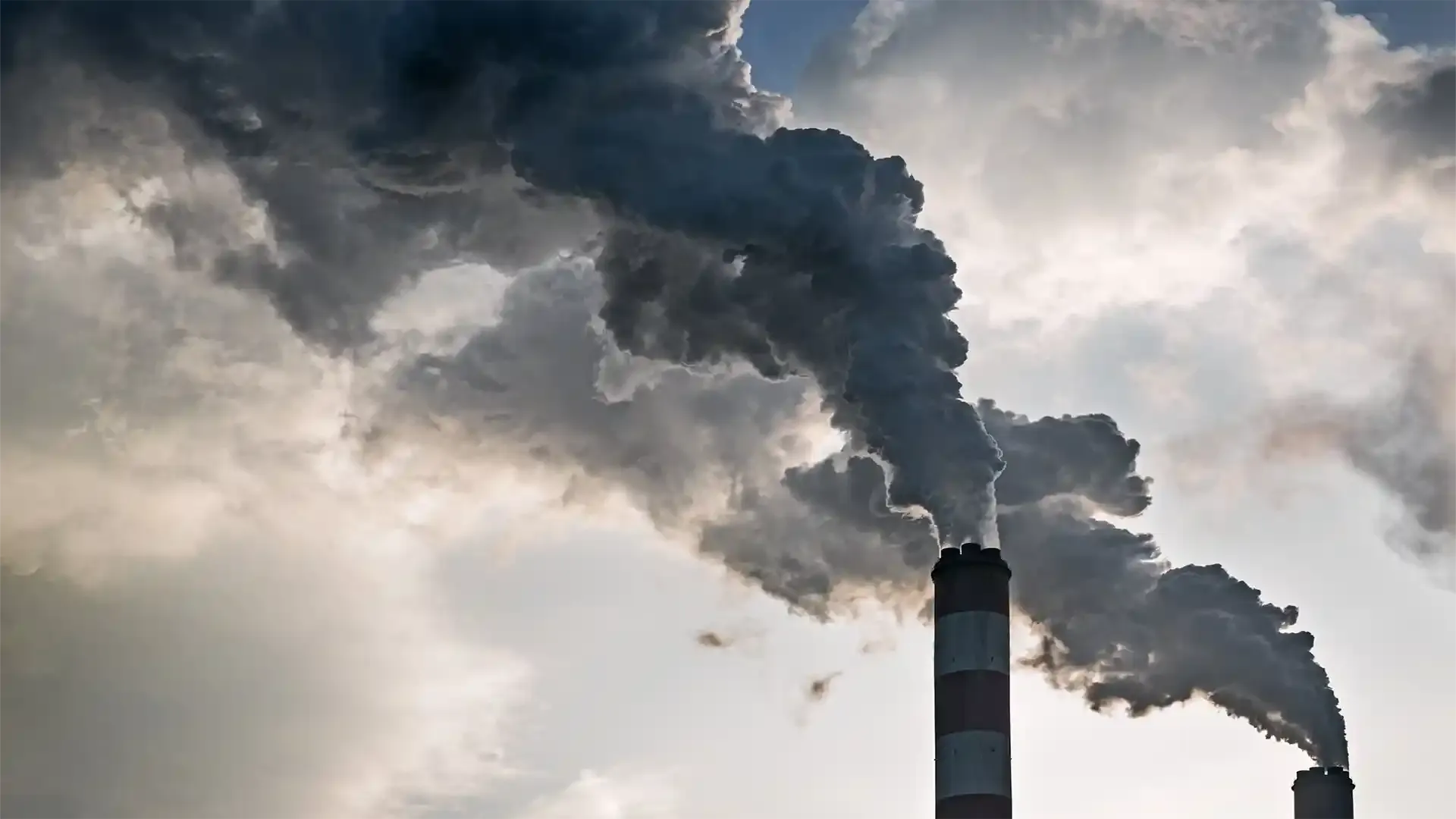
Michigan v. EPA (2015) addressed when the Environmental Protection Agency (EPA) must consider compliance costs under the Clean Air Act’s “appropriate and necessary” standard. The case centered on whether EPA could regulate hazardous air pollutants from coal- and oil-fired power plants under 42 U.S.C. § 7412(n)(1)(A) without weighing compliance costs at the threshold stage.
The dispute arose from EPA’s regulation of mercury and other hazardous air pollutants emitted by power plants. EPA relied on public health evidence, including mercury exposure and neurological harm, along with the availability of emission control technologies. At the initial decision stage, however, EPA treated compliance costs as irrelevant, even though it later estimated annual compliance costs of approximately $9.6 billion. EPA’s regulatory impact analysis monetized only a partial subset of mercury-related hazardous-air-pollutant benefits at approximately $4 million to $6 million annually. The agency also acknowledged that other mercury and non-mercury hazardous-air-pollutant benefits were not fully quantified. EPA separately estimated larger particulate-matter co-benefits, with total monetized benefits reported at approximately $37 billion to $90 billion annually.
In a 5–4 decision, the Supreme Court held that EPA acted unreasonably by refusing to consider costs when deciding whether regulation was appropriate and necessary. The Court required EPA to account for costs but did not require a formal cost-benefit analysis or any single method for evaluating economic impact. The decision did not end MATS. Instead, the case returned to the D.C. Circuit and then to EPA, where later actions addressed the cost finding while the broader emissions standards continued through further administrative review.
Congress amended the Clean Air Act to create a distinct path for regulating hazardous air pollutants from power plants. Unlike many other industrial source categories, power plants were not automatically subject to hazardous-air-pollutant standards. EPA first had to study public health hazards from power plant emissions and decide whether regulation was “appropriate and necessary.”
After completing its study, EPA found that regulation of hazardous-air-pollutant emissions from coal- and oil-fired electric utility steam generating units was appropriate and necessary. EPA cited health risks from mercury and other pollutants, along with control technologies that could reduce emissions.
In New Jersey v. EPA, the D.C. Circuit rejected EPA’s attempt to remove power plants from Clean Air Act Section 112 regulation and regulate mercury emissions through a separate cap-and-trade approach. The court held that EPA had to follow the statutory delisting process before removing power plants from Section 112 regulation.
EPA finalized the Mercury and Air Toxics Standards, commonly known as MATS. The rule set emission limits for mercury, acid gases, non-mercury metal hazardous air pollutants, and other toxic emissions from coal- and oil-fired power plants. EPA acknowledged substantial compliance costs but maintained that it did not have to consider cost when making the threshold “appropriate and necessary” finding.
In White Stallion Energy Center v. EPA, the D.C. Circuit upheld EPA’s interpretation. The court deferred to EPA’s position that cost did not have to be considered at the initial stage of deciding whether regulation was appropriate and necessary.
The Supreme Court reversed the D.C. Circuit and held that EPA had interpreted the Clean Air Act unreasonably by treating cost as irrelevant. The Court explained that “appropriate and necessary” includes at least some attention to cost. The Court remanded the case for further proceedings but did not require EPA to use a specific cost-analysis formula.
After the Supreme Court’s decision, the D.C. Circuit remanded the matter to EPA without vacating MATS. The standards remained in effect while EPA reconsidered its cost analysis.
EPA issued a supplemental finding reaffirming that regulation of hazardous air pollutants from coal- and oil-fired power plants was appropriate and necessary after considering costs. EPA concluded that the public health and environmental basis for regulation supported the rule even after accounting for compliance costs.
EPA reversed the 2016 supplemental finding and concluded that the prior cost analysis did not support the appropriate-and-necessary determination. EPA stated that the action would not remove coal- and oil-fired power plants from the Section 112 source category list and would not affect the existing MATS emissions standards.
EPA revoked the 2020 action and reaffirmed that it remained appropriate and necessary to regulate hazardous air pollutants from coal- and oil-fired power plants after considering cost. This restored EPA’s formal support for the threshold finding addressed in Michigan v. EPA.
On May 7, 2024, EPA published final amendments to MATS after its residual risk and technology review. The amendments strengthened selected requirements for coal- and oil-fired electric utility steam generating units, including changes related to filterable particulate matter as a surrogate for non-mercury hazardous-air-pollutant metals, mercury emissions from lignite-fired units, emissions monitoring, and startup requirements.
On February 24, 2026, EPA published a final rule repealing specific amendments adopted in 2024. The repeal removed the revised filterable particulate matter standard for existing coal-fired units, the revised filterable particulate matter compliance demonstration requirements, and the revised mercury standard for lignite-fired electric utility steam generating units. The repeal became effective on April 27, 2026, and changed parts of the 2024 update without rescinding the broader MATS structure.
Court:
Supreme Court of the United States
Case Name:
Michigan v. Environmental Protection Agency
Clean Air Act
Air Pollution
Environmental Protection Agency EPA
Mercury Poisoning
Environmental Compliance
Environmental Assessment
Environmental Resource Management
Michigan v. EPA (2015) addressed when the Environmental Protection Agency (EPA) must consider compliance costs under the Clean Air Act’s “appropriate and necessary” standard. The case centered on whether EPA could regulate hazardous air pollutants from coal- and oil-fired power plants under 42 U.S.C. § 7412(n)(1)(A) without weighing compliance costs at the threshold stage.
The dispute arose from EPA’s regulation of mercury and other hazardous air pollutants emitted by power plants. EPA relied on public health evidence, including mercury exposure and neurological harm, along with the availability of emission control technologies. At the initial decision stage, however, EPA treated compliance costs as irrelevant, even though it later estimated annual compliance costs of approximately $9.6 billion. EPA’s regulatory impact analysis monetized only a partial subset of mercury-related hazardous-air-pollutant benefits at approximately $4 million to $6 million annually. The agency also acknowledged that other mercury and non-mercury hazardous-air-pollutant benefits were not fully quantified. EPA separately estimated larger particulate-matter co-benefits, with total monetized benefits reported at approximately $37 billion to $90 billion annually.
In a 5–4 decision, the Supreme Court held that EPA acted unreasonably by refusing to consider costs when deciding whether regulation was appropriate and necessary. The Court required EPA to account for costs but did not require a formal cost-benefit analysis or any single method for evaluating economic impact. The decision did not end MATS. Instead, the case returned to the D.C. Circuit and then to EPA, where later actions addressed the cost finding while the broader emissions standards continued through further administrative review.
Congress amended the Clean Air Act to create a distinct path for regulating hazardous air pollutants from power plants. Unlike many other industrial source categories, power plants were not automatically subject to hazardous-air-pollutant standards. EPA first had to study public health hazards from power plant emissions and decide whether regulation was “appropriate and necessary.”
After completing its study, EPA found that regulation of hazardous-air-pollutant emissions from coal- and oil-fired electric utility steam generating units was appropriate and necessary. EPA cited health risks from mercury and other pollutants, along with control technologies that could reduce emissions.
In New Jersey v. EPA, the D.C. Circuit rejected EPA’s attempt to remove power plants from Clean Air Act Section 112 regulation and regulate mercury emissions through a separate cap-and-trade approach. The court held that EPA had to follow the statutory delisting process before removing power plants from Section 112 regulation.
EPA finalized the Mercury and Air Toxics Standards, commonly known as MATS. The rule set emission limits for mercury, acid gases, non-mercury metal hazardous air pollutants, and other toxic emissions from coal- and oil-fired power plants. EPA acknowledged substantial compliance costs but maintained that it did not have to consider cost when making the threshold “appropriate and necessary” finding.
In White Stallion Energy Center v. EPA, the D.C. Circuit upheld EPA’s interpretation. The court deferred to EPA’s position that cost did not have to be considered at the initial stage of deciding whether regulation was appropriate and necessary.
The Supreme Court reversed the D.C. Circuit and held that EPA had interpreted the Clean Air Act unreasonably by treating cost as irrelevant. The Court explained that “appropriate and necessary” includes at least some attention to cost. The Court remanded the case for further proceedings but did not require EPA to use a specific cost-analysis formula.
After the Supreme Court’s decision, the D.C. Circuit remanded the matter to EPA without vacating MATS. The standards remained in effect while EPA reconsidered its cost analysis.
EPA issued a supplemental finding reaffirming that regulation of hazardous air pollutants from coal- and oil-fired power plants was appropriate and necessary after considering costs. EPA concluded that the public health and environmental basis for regulation supported the rule even after accounting for compliance costs.
EPA reversed the 2016 supplemental finding and concluded that the prior cost analysis did not support the appropriate-and-necessary determination. EPA stated that the action would not remove coal- and oil-fired power plants from the Section 112 source category list and would not affect the existing MATS emissions standards.
EPA revoked the 2020 action and reaffirmed that it remained appropriate and necessary to regulate hazardous air pollutants from coal- and oil-fired power plants after considering cost. This restored EPA’s formal support for the threshold finding addressed in Michigan v. EPA.
On May 7, 2024, EPA published final amendments to MATS after its residual risk and technology review. The amendments strengthened selected requirements for coal- and oil-fired electric utility steam generating units, including changes related to filterable particulate matter as a surrogate for non-mercury hazardous-air-pollutant metals, mercury emissions from lignite-fired units, emissions monitoring, and startup requirements.
On February 24, 2026, EPA published a final rule repealing specific amendments adopted in 2024. The repeal removed the revised filterable particulate matter standard for existing coal-fired units, the revised filterable particulate matter compliance demonstration requirements, and the revised mercury standard for lignite-fired electric utility steam generating units. The repeal became effective on April 27, 2026, and changed parts of the 2024 update without rescinding the broader MATS structure.
Environmental Health and Safety Expert Witness
Environmental health and safety experts may address how hazardous air pollutants affect workers, nearby residents, and communities exposed to emissions from regulated facilities. In a dispute like Michigan v. EPA, this role may involve mercury exposure pathways, neurological risk, and the practical relationship between plant emissions and human health concerns.
Environmental Science Expert Witness
Environmental science experts may examine emissions data, pollutant transport, air quality modeling, and the environmental behavior of mercury, acid gases, and non-mercury metal hazardous air pollutants. Their work can help explain whether the administrative record supports the agency’s conclusions about pollutant risks and emission reductions.
Public Health Expert Witness
Public health experts may evaluate population-level effects of hazardous air pollutants, including risks to children, pregnant women, older adults, and people living near industrial sources. In regulatory litigation, this analysis can be relevant when benefits are partly quantified, partly unquantified, or difficult to monetize.
Utility Operations Expert Witness
Utility operations experts may explain how coal- and oil-fired power plants operate, how emission-control systems are installed, and how compliance measures affect plant reliability, outages, fuel use, and capital planning. This evidence can be relevant when courts and agencies consider whether compliance assumptions are technically realistic.
Regulatory Economics and Cost-Benefit Analysis Expert Witness
Regulatory economics experts may evaluate compliance-cost estimates, monetized benefits, unquantified benefits, and co-benefits used in agency rulemaking. In the MATS record, this type of analysis would focus on the relationship between the $9.6 billion annual cost estimate, the narrower monetized hazardous-air-pollutant benefits, and the larger particulate-matter co-benefits.
Cost Cannot Be Treated as Irrelevant
Michigan v. EPA confirms that EPA must consider cost when deciding whether regulation is appropriate and necessary under Section 112(n)(1)(A). The decision does not make cost controlling, but cost must be part of the agency’s decision-making record.
The Court Did Not Require One Cost Formula
The Supreme Court did not require EPA to conduct a formal cost-benefit analysis. Agencies may evaluate costs through different methods as long as the record shows that cost was considered in a reasoned way.
Timing Matters in Administrative Review
EPA had prepared a regulatory impact analysis for MATS, but the Supreme Court focused on EPA’s earlier refusal to consider cost in the threshold finding. The case shows that courts may examine when an agency considered a statutory factor, not only whether cost data appears somewhere in the rulemaking record.
Remand Without Vacatur Preserved the Rule During Reconsideration
After the Supreme Court ruling, the D.C. Circuit allowed MATS to remain in effect while EPA addressed the cost issue. EPA then issued the 2016 supplemental cost finding.
Later Administrative Law Changes Affect Future Review
Michigan v. EPA was decided during the Chevron era of administrative law. Later, in Loper Bright Enterprises v. Raimondo, the Supreme Court changed the review framework by rejecting Chevron deference and requiring courts to exercise independent judgment when interpreting federal statutes. Future Clean Air Act disputes may be reviewed under that newer approach.
Michigan v. EPA clarified that EPA must consider compliance costs when deciding whether power plant regulation is justified under the Clean Air Act’s “appropriate and necessary” standard. The Supreme Court did not invalidate MATS, did not require a specific cost-benefit formula, and did not hold that cost must outweigh public health concerns. Instead, the Court held that cost must be part of reasoned agency decision-making.
After the Supreme Court decision, the D.C. Circuit remanded the matter without vacating MATS. EPA issued a supplemental cost finding in 2016, reversed that finding in 2020 while leaving MATS in place, reaffirmed the appropriate-and-necessary finding in 2023, revised certain MATS requirements in 2024, and repealed certain 2024 amendments in 2026.

What pollutants were regulated in Michigan v. EPA?
The case involved EPA’s regulation of hazardous air pollutants from coal- and oil-fired power plants under MATS. These pollutants included mercury, acid gases, non-mercury metal hazardous air pollutants, and other toxic emissions.
What was the Supreme Court’s main holding?
The Supreme Court held that EPA acted unreasonably by refusing to consider compliance costs when deciding whether regulation was “appropriate and necessary.” The Court required cost consideration but did not require one specific type of cost-benefit analysis.
Did the Supreme Court eliminate the MATS rule?
No. The Supreme Court reversed the D.C. Circuit and remanded the case. Afterward, the D.C. Circuit remanded the matter to EPA without vacating MATS, allowing the rule to remain in effect during EPA’s reconsideration.
What health risks were associated with mercury emissions?
Mercury is a toxic pollutant that can accumulate in fish and other food sources. Exposure can harm the nervous system, with particular concern for children and developing fetuses.
What did EPA do after the Supreme Court decision?
EPA issued a 2016 supplemental finding after considering costs. EPA later reversed that finding in 2020, reaffirmed regulation as appropriate and necessary in 2023, revised certain MATS requirements in 2024, and repealed certain 2024 amendments in 2026.
What did the 2026 EPA action change?
EPA’s 2026 action repealed specific 2024 MATS amendments. The repeal affected the revised filterable particulate matter standard, the revised filterable particulate matter compliance demonstration requirements, and the revised mercury standard for lignite-fired electric utility steam generating units.
Environmental Health and Safety Expert Witness
Environmental health and safety experts may address how hazardous air pollutants affect workers, nearby residents, and communities exposed to emissions from regulated facilities. In a dispute like Michigan v. EPA, this role may involve mercury exposure pathways, neurological risk, and the practical relationship between plant emissions and human health concerns.
Environmental Science Expert Witness
Environmental science experts may examine emissions data, pollutant transport, air quality modeling, and the environmental behavior of mercury, acid gases, and non-mercury metal hazardous air pollutants. Their work can help explain whether the administrative record supports the agency’s conclusions about pollutant risks and emission reductions.
Public Health Expert Witness
Public health experts may evaluate population-level effects of hazardous air pollutants, including risks to children, pregnant women, older adults, and people living near industrial sources. In regulatory litigation, this analysis can be relevant when benefits are partly quantified, partly unquantified, or difficult to monetize.
Utility Operations Expert Witness
Utility operations experts may explain how coal- and oil-fired power plants operate, how emission-control systems are installed, and how compliance measures affect plant reliability, outages, fuel use, and capital planning. This evidence can be relevant when courts and agencies consider whether compliance assumptions are technically realistic.
Regulatory Economics and Cost-Benefit Analysis Expert Witness
Regulatory economics experts may evaluate compliance-cost estimates, monetized benefits, unquantified benefits, and co-benefits used in agency rulemaking. In the MATS record, this type of analysis would focus on the relationship between the $9.6 billion annual cost estimate, the narrower monetized hazardous-air-pollutant benefits, and the larger particulate-matter co-benefits.
Cost Cannot Be Treated as Irrelevant
Michigan v. EPA confirms that EPA must consider cost when deciding whether regulation is appropriate and necessary under Section 112(n)(1)(A). The decision does not make cost controlling, but cost must be part of the agency’s decision-making record.
The Court Did Not Require One Cost Formula
The Supreme Court did not require EPA to conduct a formal cost-benefit analysis. Agencies may evaluate costs through different methods as long as the record shows that cost was considered in a reasoned way.
Timing Matters in Administrative Review
EPA had prepared a regulatory impact analysis for MATS, but the Supreme Court focused on EPA’s earlier refusal to consider cost in the threshold finding. The case shows that courts may examine when an agency considered a statutory factor, not only whether cost data appears somewhere in the rulemaking record.
Remand Without Vacatur Preserved the Rule During Reconsideration
After the Supreme Court ruling, the D.C. Circuit allowed MATS to remain in effect while EPA addressed the cost issue. EPA then issued the 2016 supplemental cost finding.
Later Administrative Law Changes Affect Future Review
Michigan v. EPA was decided during the Chevron era of administrative law. Later, in Loper Bright Enterprises v. Raimondo, the Supreme Court changed the review framework by rejecting Chevron deference and requiring courts to exercise independent judgment when interpreting federal statutes. Future Clean Air Act disputes may be reviewed under that newer approach.
Michigan v. EPA clarified that EPA must consider compliance costs when deciding whether power plant regulation is justified under the Clean Air Act’s “appropriate and necessary” standard. The Supreme Court did not invalidate MATS, did not require a specific cost-benefit formula, and did not hold that cost must outweigh public health concerns. Instead, the Court held that cost must be part of reasoned agency decision-making.
After the Supreme Court decision, the D.C. Circuit remanded the matter without vacating MATS. EPA issued a supplemental cost finding in 2016, reversed that finding in 2020 while leaving MATS in place, reaffirmed the appropriate-and-necessary finding in 2023, revised certain MATS requirements in 2024, and repealed certain 2024 amendments in 2026.
What pollutants were regulated in Michigan v. EPA?
The case involved EPA’s regulation of hazardous air pollutants from coal- and oil-fired power plants under MATS. These pollutants included mercury, acid gases, non-mercury metal hazardous air pollutants, and other toxic emissions.
What was the Supreme Court’s main holding?
The Supreme Court held that EPA acted unreasonably by refusing to consider compliance costs when deciding whether regulation was “appropriate and necessary.” The Court required cost consideration but did not require one specific type of cost-benefit analysis.
Did the Supreme Court eliminate the MATS rule?
No. The Supreme Court reversed the D.C. Circuit and remanded the case. Afterward, the D.C. Circuit remanded the matter to EPA without vacating MATS, allowing the rule to remain in effect during EPA’s reconsideration.
What health risks were associated with mercury emissions?
Mercury is a toxic pollutant that can accumulate in fish and other food sources. Exposure can harm the nervous system, with particular concern for children and developing fetuses.
What did EPA do after the Supreme Court decision?
EPA issued a 2016 supplemental finding after considering costs. EPA later reversed that finding in 2020, reaffirmed regulation as appropriate and necessary in 2023, revised certain MATS requirements in 2024, and repealed certain 2024 amendments in 2026.

What did the 2026 EPA action change?
EPA’s 2026 action repealed specific 2024 MATS amendments. The repeal affected the revised filterable particulate matter standard, the revised filterable particulate matter compliance demonstration requirements, and the revised mercury standard for lignite-fired electric utility steam generating units.
Utilities, +4
Utilities
Environmental Engineering, +4
Utilities