Structural Engineering, +4
Construction
Loading
Construction
5 min read
Areas of Expertise :
Construction Defect, Building Moisture Intrusion, Building Envelope, Water Damage, General Liability Insurance

Published Date:
Last Modified Date:
Jurisdiction:
Oregon State
In FountainCourt Homeowners’ Ass’n v. FountainCourt Development, LLC, 360 Or 341 (2016), the Oregon Supreme Court affirmed a garnishment judgment requiring American Family Mutual Insurance Company (AFM) to pay the portion of a construction-defect verdict attributed to its insured, Sideco, a siding and window subcontractor. The Court held that, after the insured’s liability has been determined in the underlying negligence action, an insurer may litigate coverage questions but cannot retry the insured’s liability. Critically, the underlying judgment must be considered to determine “what the insured became legally obligated to pay as damages.” The Court concluded the verdict reflected covered “property damage” and that coverage was triggered under AFM’s policies (May 1, 2004–May 1, 2006). Clarendon’s earlier policy period (Apr. 15, 2003–May 15, 2004) was in play procedurally, and Clarendon defended under a reservation of rights, but the trial court found no coverage under Clarendon’s multi-unit exclusion. That ruling was not before the Supreme Court, which noted that exclusion issues were not preserved on appeal and therefore did not reach them. The Court affirmed the garnishment judgment and reversed the attorney-fee award.
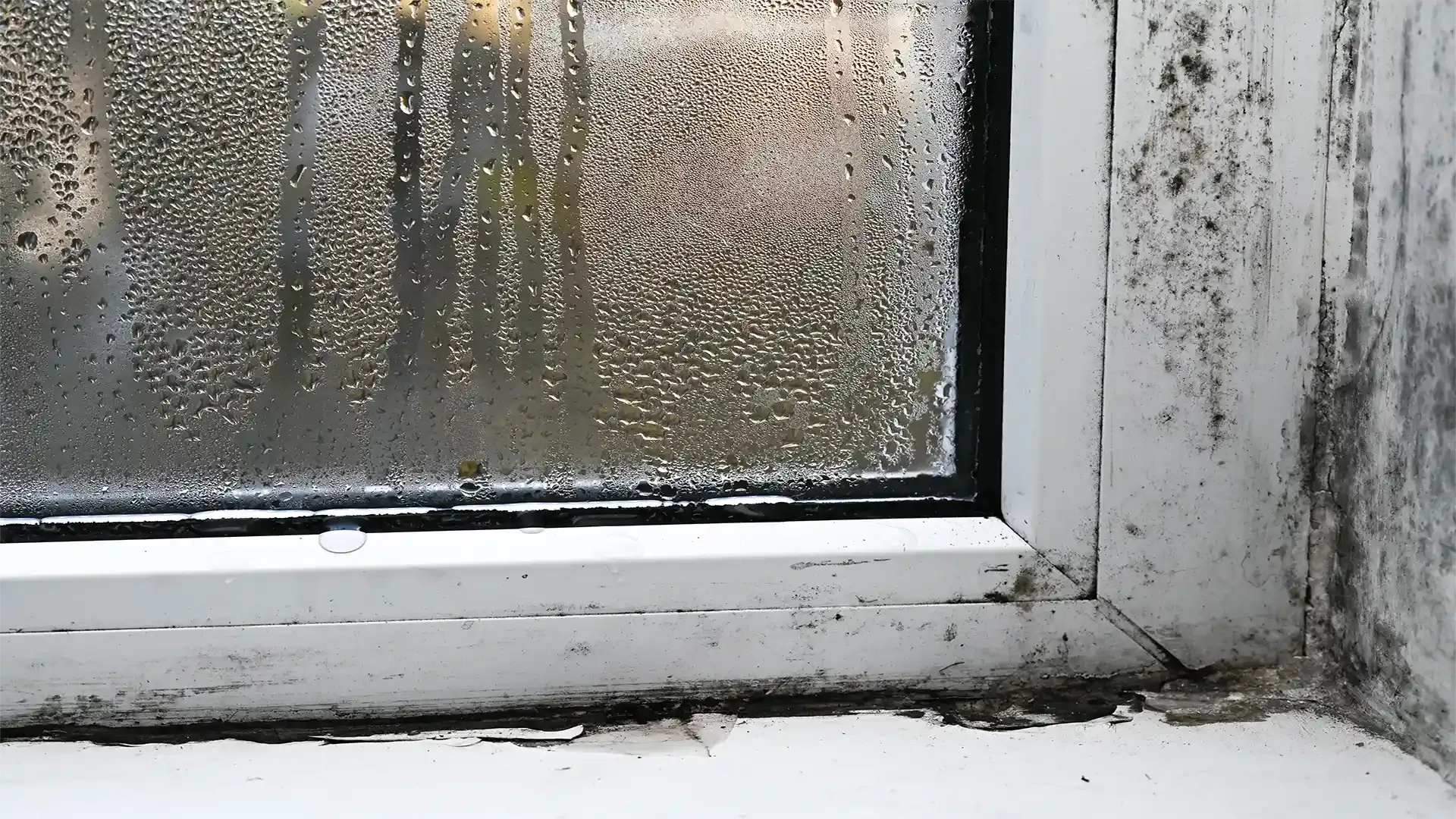
The dispute arose from a Beaverton planned community built between 2002 and 2004, consisting of 34 condominiums and 63 townhouses, where owners experienced physical damage from moisture intrusion caused by deficient installation of exterior siding, weather-resistive barriers, windows, and related sealants. A jury found Sideco negligent, and the court entered $485,877.84 against it, leading to garnishment of AFM under overlapping policy periods. The opinion clarified that coverage depends on evidence of actual physical damage, not simply defective workmanship, reinforcing how courts treat progressive water infiltration and building-envelope failure in CGL coverage disputes.
The FountainCourt development was built in phases between 2002 and 2004, and early inspections revealed problems with the exterior siding, barriers, and sealants. Experts later confirmed that water penetration led to material decay beneath the surfaces, illustrating how small construction errors can evolve into structural failures over time.
In 2007, the homeowners’ associations sued developers and contractors for widespread water infiltration. Subcontractors, including Sideco, were added for defective siding and window installation that compromised waterproofing systems.
A jury found Sideco negligent, awarding $485,877.84 in damages linked to physical injury to property. This precise framing, property damage rather than poor workmanship was later key to coverage determination.
Twelve days later, the HOA served AFM with a writ of garnishment. AFM denied liability, citing policy exclusions and timing disputes over when the damage occurred.
The trial court ruled that AFM’s exclusions did not apply and entered judgment of $433,958.16 against it. Clarendon was dismissed after proving its multi-unit exclusion applied.
The trial court awarded $68,538 in attorney fees under ORS 742.061, which AFM appealed.
The appellate court upheld the garnishment, finding that progressive water damage during the AFM policy period was covered.
The Supreme Court affirmed the garnishment judgment, confirming that insurers cannot relitigate liability once damages are established. It also reinforced that progressive property damage from water intrusion constitutes covered “property damage,” aligning with long-standing insurance principles.
Court:
Oregon Supreme Court
Case Name:
FountainCourt Homeowners’ Association v. FountainCourt Development, LLC
Moisture Intrusion
Water Intrusion
Construction Engineering
Structural Damage
Insurance Coverage
Liability Insurance
Indoor Mold
Windows
Fiber Cement Siding
Multi Family Construction
In FountainCourt Homeowners’ Ass’n v. FountainCourt Development, LLC, 360 Or 341 (2016), the Oregon Supreme Court affirmed a garnishment judgment requiring American Family Mutual Insurance Company (AFM) to pay the portion of a construction-defect verdict attributed to its insured, Sideco, a siding and window subcontractor. The Court held that, after the insured’s liability has been determined in the underlying negligence action, an insurer may litigate coverage questions but cannot retry the insured’s liability. Critically, the underlying judgment must be considered to determine “what the insured became legally obligated to pay as damages.” The Court concluded the verdict reflected covered “property damage” and that coverage was triggered under AFM’s policies (May 1, 2004–May 1, 2006). Clarendon’s earlier policy period (Apr. 15, 2003–May 15, 2004) was in play procedurally, and Clarendon defended under a reservation of rights, but the trial court found no coverage under Clarendon’s multi-unit exclusion. That ruling was not before the Supreme Court, which noted that exclusion issues were not preserved on appeal and therefore did not reach them. The Court affirmed the garnishment judgment and reversed the attorney-fee award.
The dispute arose from a Beaverton planned community built between 2002 and 2004, consisting of 34 condominiums and 63 townhouses, where owners experienced physical damage from moisture intrusion caused by deficient installation of exterior siding, weather-resistive barriers, windows, and related sealants. A jury found Sideco negligent, and the court entered $485,877.84 against it, leading to garnishment of AFM under overlapping policy periods. The opinion clarified that coverage depends on evidence of actual physical damage, not simply defective workmanship, reinforcing how courts treat progressive water infiltration and building-envelope failure in CGL coverage disputes.
The FountainCourt development was built in phases between 2002 and 2004, and early inspections revealed problems with the exterior siding, barriers, and sealants. Experts later confirmed that water penetration led to material decay beneath the surfaces, illustrating how small construction errors can evolve into structural failures over time.
In 2007, the homeowners’ associations sued developers and contractors for widespread water infiltration. Subcontractors, including Sideco, were added for defective siding and window installation that compromised waterproofing systems.
A jury found Sideco negligent, awarding $485,877.84 in damages linked to physical injury to property. This precise framing, property damage rather than poor workmanship was later key to coverage determination.
Twelve days later, the HOA served AFM with a writ of garnishment. AFM denied liability, citing policy exclusions and timing disputes over when the damage occurred.
The trial court ruled that AFM’s exclusions did not apply and entered judgment of $433,958.16 against it. Clarendon was dismissed after proving its multi-unit exclusion applied.
The trial court awarded $68,538 in attorney fees under ORS 742.061, which AFM appealed.
The appellate court upheld the garnishment, finding that progressive water damage during the AFM policy period was covered.
The Supreme Court affirmed the garnishment judgment, confirming that insurers cannot relitigate liability once damages are established. It also reinforced that progressive property damage from water intrusion constitutes covered “property damage,” aligning with long-standing insurance principles.
1. Construction Defect Expert Witness
Construction defect experts typically analyze how improper installation of siding, windows, and barriers contributes to building-envelope failure. In similar Oregon construction cases, these experts help clarify whether workmanship fell below accepted standards and how that directly led to structural deterioration.
2. Moisture Intrusion Expert Witness
Moisture intrusion experts evaluate how water travels through exterior materials, causing decay and mold. Their testimony can illustrate the timeline of water exposure, helping courts distinguish between isolated leaks and continuous infiltration.
3. Insurance Coverage Expert Witness
Insurance coverage experts interpret CGL policy provisions and explain whether physical damage qualifies as a covered occurrence. They often guide courts on policy-trigger timing and exclusion applicability in complex, multi-period claims.
4. Structural Engineering Expert Witness
Structural engineers assess how long-term exposure to moisture undermines load-bearing elements. They typically identify whether ongoing infiltration created hidden decay that weakened key structural systems.
5. Environmental and Indoor Mold Expert Witnesses
Environmental health and indoor mold experts evaluate microbial growth from prolonged dampness. Their analysis supports both property damage quantification and health-risk mitigation strategies following water-related contamination.
1. Judgments Define Coverage Obligations
Insurers cannot relitigate liability after a final judgment. Courts rely on trial findings to determine the scope of covered damages.
2. Moisture Intrusion as Covered Property Damage
Ongoing water infiltration was deemed physical injury to tangible property, not just workmanship error. This ruling underscores that verifiable property harm, such as rot or mold, qualifies for coverage.
3. Progressive Damage and Multi-Period Coverage
The Court recognized that continuous damage can span multiple policies. Attorneys must address allocation and timing issues when infiltration extends over several policy periods.
4. Garnishment as a Coverage Tool
The case confirms that garnishment is a valid post-verdict enforcement method for insured claims.
5. Attorney-Fee Limitations in Coverage Disputes
Even successful insureds may not recover attorney fees absent statutory authorization or procedural compliance.
The Oregon Supreme Court’s decision in FountainCourt Homeowners’ Ass’n v. FountainCourt Development, LLC provides a clear framework for how post-verdict insurance coverage disputes are resolved in construction-defect litigation. By affirming coverage for progressive water infiltration while rejecting a fee award, the Court reinforced that insurers must evaluate coverage based on proven physical injury to tangible property rather than mere workmanship defects. This precedent underscores how verdict records, policy language, and statutory interpretation intersect in determining insurers’ payment obligations following construction-defect judgments. The case remains a guiding reference for attorneys handling moisture-related defect claims, coverage allocation across policy periods, and enforcement actions through garnishment.

What was the FountainCourt case about?
The case involved construction defects at a condominium and townhouse project in Beaverton, Oregon. Faulty siding, windows, and weather barriers allowed moisture intrusion that caused structural damage and mold. The dispute centered on whether these damages were covered under commercial general liability insurance.
Why did the homeowners sue FountainCourt Development and its subcontractors?
The homeowners’ association filed suit in 2007 after discovering water damage linked to improper installation of exterior materials. Allegations focused on building-envelope failures that allowed rainwater to infiltrate the units. The suit sought damages for repair costs and related property harm.
What damages did the jury award against Sideco?
In April 2010, a jury found Sideco, the siding and window subcontractor, negligent and awarded $485,877.84 against it as part of a larger damages award. The judgment was based on physical injury to property, not just defective workmanship. This verdict later formed the basis of the insurance coverage dispute.
How did insurance coverage become part of the case?
After the judgment, the homeowners’ association served a writ of garnishment on American Family Mutual Insurance Company, Sideco’s insurer. The insurer denied responsibility, claiming exclusions and timing issues under its policies. This led to separate litigation over whether moisture intrusion and resulting property damage triggered coverage.
What did the Oregon Court of Appeals decide in 2014?
The Court of Appeals affirmed the garnishment judgment, holding that the damages were for property damage caused by water infiltration. It rejected arguments that the jury verdict did not prove coverage and reversed only the award of attorney fees. The ruling confirmed that progressive water damage could fall within the insurer’s policy period.
1. Construction Defect Expert Witness
Construction defect experts typically analyze how improper installation of siding, windows, and barriers contributes to building-envelope failure. In similar Oregon construction cases, these experts help clarify whether workmanship fell below accepted standards and how that directly led to structural deterioration.
2. Moisture Intrusion Expert Witness
Moisture intrusion experts evaluate how water travels through exterior materials, causing decay and mold. Their testimony can illustrate the timeline of water exposure, helping courts distinguish between isolated leaks and continuous infiltration.
3. Insurance Coverage Expert Witness
Insurance coverage experts interpret CGL policy provisions and explain whether physical damage qualifies as a covered occurrence. They often guide courts on policy-trigger timing and exclusion applicability in complex, multi-period claims.
4. Structural Engineering Expert Witness
Structural engineers assess how long-term exposure to moisture undermines load-bearing elements. They typically identify whether ongoing infiltration created hidden decay that weakened key structural systems.
5. Environmental and Indoor Mold Expert Witnesses
Environmental health and indoor mold experts evaluate microbial growth from prolonged dampness. Their analysis supports both property damage quantification and health-risk mitigation strategies following water-related contamination.
1. Judgments Define Coverage Obligations
Insurers cannot relitigate liability after a final judgment. Courts rely on trial findings to determine the scope of covered damages.
2. Moisture Intrusion as Covered Property Damage
Ongoing water infiltration was deemed physical injury to tangible property, not just workmanship error. This ruling underscores that verifiable property harm, such as rot or mold, qualifies for coverage.
3. Progressive Damage and Multi-Period Coverage
The Court recognized that continuous damage can span multiple policies. Attorneys must address allocation and timing issues when infiltration extends over several policy periods.
4. Garnishment as a Coverage Tool
The case confirms that garnishment is a valid post-verdict enforcement method for insured claims.
5. Attorney-Fee Limitations in Coverage Disputes
Even successful insureds may not recover attorney fees absent statutory authorization or procedural compliance.
The Oregon Supreme Court’s decision in FountainCourt Homeowners’ Ass’n v. FountainCourt Development, LLC provides a clear framework for how post-verdict insurance coverage disputes are resolved in construction-defect litigation. By affirming coverage for progressive water infiltration while rejecting a fee award, the Court reinforced that insurers must evaluate coverage based on proven physical injury to tangible property rather than mere workmanship defects. This precedent underscores how verdict records, policy language, and statutory interpretation intersect in determining insurers’ payment obligations following construction-defect judgments. The case remains a guiding reference for attorneys handling moisture-related defect claims, coverage allocation across policy periods, and enforcement actions through garnishment.
What was the FountainCourt case about?
The case involved construction defects at a condominium and townhouse project in Beaverton, Oregon. Faulty siding, windows, and weather barriers allowed moisture intrusion that caused structural damage and mold. The dispute centered on whether these damages were covered under commercial general liability insurance.
Why did the homeowners sue FountainCourt Development and its subcontractors?
The homeowners’ association filed suit in 2007 after discovering water damage linked to improper installation of exterior materials. Allegations focused on building-envelope failures that allowed rainwater to infiltrate the units. The suit sought damages for repair costs and related property harm.
What damages did the jury award against Sideco?
In April 2010, a jury found Sideco, the siding and window subcontractor, negligent and awarded $485,877.84 against it as part of a larger damages award. The judgment was based on physical injury to property, not just defective workmanship. This verdict later formed the basis of the insurance coverage dispute.
How did insurance coverage become part of the case?
After the judgment, the homeowners’ association served a writ of garnishment on American Family Mutual Insurance Company, Sideco’s insurer. The insurer denied responsibility, claiming exclusions and timing issues under its policies. This led to separate litigation over whether moisture intrusion and resulting property damage triggered coverage.
What did the Oregon Court of Appeals decide in 2014?
The Court of Appeals affirmed the garnishment judgment, holding that the damages were for property damage caused by water infiltration. It rejected arguments that the jury verdict did not prove coverage and reversed only the award of attorney fees. The ruling confirmed that progressive water damage could fall within the insurer’s policy period.
What was the Oregon Supreme Court’s final ruling in 2016?
The Oregon Supreme Court affirmed the garnishment judgment and reversed the attorney-fee award. It held that insurers may litigate coverage questions after judgment but cannot retry liability issues already decided. The Court confirmed that moisture intrusion causing physical damage was covered property damage under the policy. The Court did not reach Clarendon’s exclusion issues because they were not preserved on appeal.
Geotechnical Engineering, +4
Construction
Industrial Hygiene, +7
Construction
What was the Oregon Supreme Court’s final ruling in 2016?
The Oregon Supreme Court affirmed the garnishment judgment and reversed the attorney-fee award. It held that insurers may litigate coverage questions after judgment but cannot retry liability issues already decided. The Court confirmed that moisture intrusion causing physical damage was covered property damage under the policy. The Court did not reach Clarendon’s exclusion issues because they were not preserved on appeal.