Structural Engineering, +4
Construction
Loading
Construction
7 min read
Areas of Expertise :
Construction, Structural Engineering, Concrete, Construction Safety, Occupational Safety And Health (OSHA)

Published Date:
Last Modified Date:
Jurisdiction:
Federal. Eleventh Circuit
Southern Pan Services, a concrete-formwork subcontractor, sought Eleventh Circuit review of a final order of the Occupational Safety and Health Review Commission arising from a December 6, 2007 collapse at a partially constructed, six-story poured-in-place concrete parking garage in Jacksonville, Florida during a concrete pour. OSHA cited Southern Pan for two willful violations tied to the project’s formwork and support system requirements, and the Commission affirmed the violations and assessed penalties. On petition for review, the case focused on whether the Commission’s findings were supported and whether the cited standards were properly applied to Southern Pan’s conduct under the circumstances of the collapse and the supporting documentation and practices used on the jobsite.
The Eleventh Circuit denied relief and left the Commission’s order in place, upholding the affirmed willful violations connected to shoring/reshoring and formwork requirements. The dispute turned on concrete-formwork controls that sit at the center of structural engineering in construction: how temporary supports are planned and documented, how loads from fresh concrete are carried through shoring and reshoring, and whether required drawings or plans for the formwork system were available and followed during the pour. In practical terms, the record frames the collapse risk around the temporary support system and the documentation and execution of the support plan during an active placement of concrete.
The record reflects that Southern Pan began removing reshoring from the ground level as it moved to a one-over-two shoring method. On October 30, 2007, Eric Cannon (Synergy; on-site representative for the threshold inspector) inspected the site and observed reshoring being removed from lower levels. This early field observation later became part of the factual backdrop for how the temporary support system was being managed before the collapse.
The record reflects that Eric Cannon (Synergy Structural Engineering; Tim Frazier’s on-site representative for the project’s threshold inspector) performed the Florida threshold inspection for pour 6A immediately before the December 6 collapse. The inspection activity and pre-pour documentation later factored into how the administrative record described jobsite oversight and the condition of the temporary support system leading into the pour.
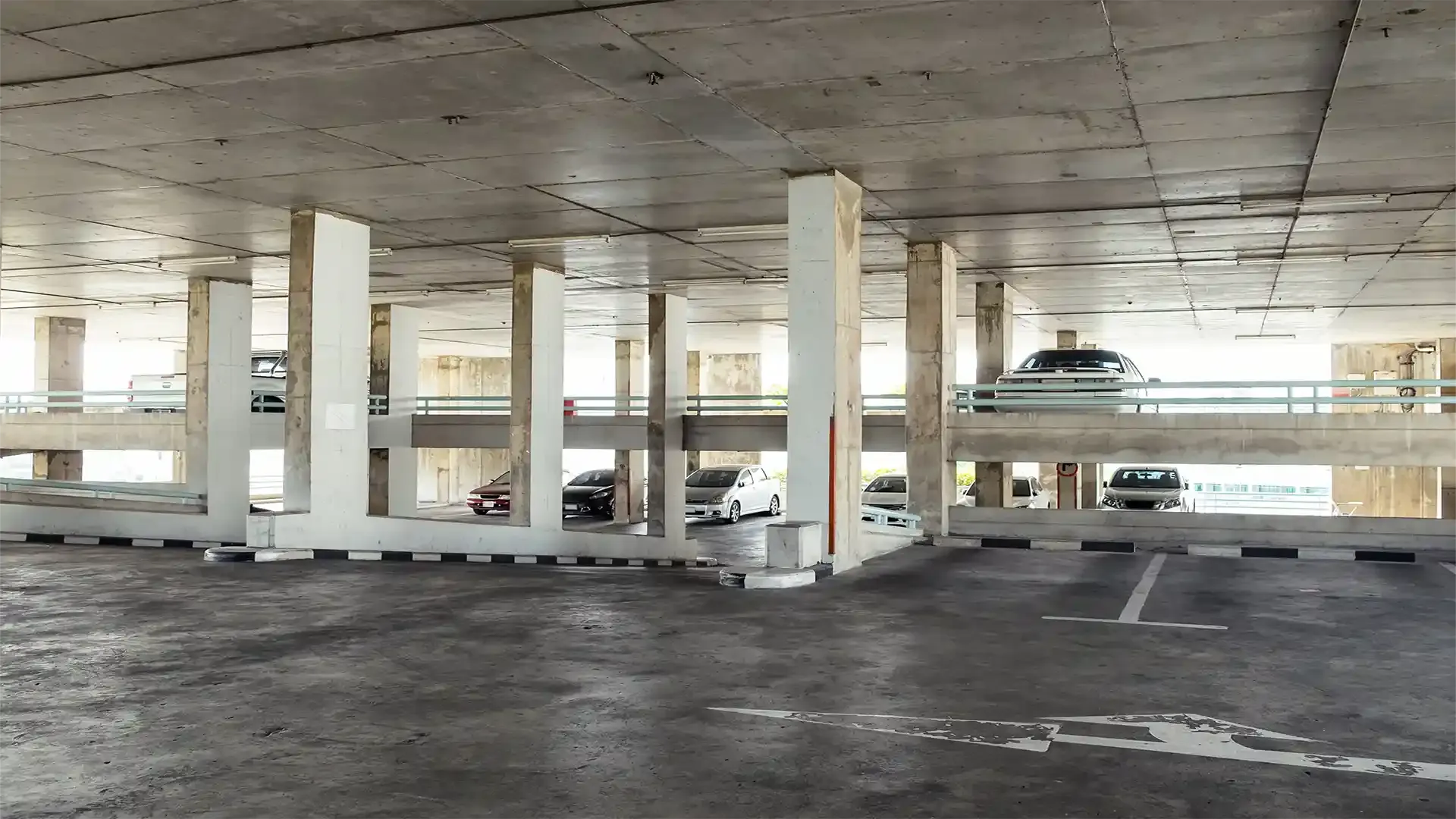
The case arises from the collapse of a partially constructed, six-story poured-in-place concrete parking garage in Jacksonville, Florida. According to the Secretary of Labor’s merits brief, the structure “pancaked” during a concrete pour on December 6, 2007, and approximately 70% of the garage collapsed. One Southern Pan employee was killed and others were seriously injured.
After OSHA issued citations, the dispute proceeded before an Administrative Law Judge within the Occupational Safety and Health Review Commission process. The record reflects an ALJ decision dated March 8, 2010. In the administrative record, Southern Pan presented expert testimony from Stanley Lindsey addressing how pre-pour inspection language was interpreted and what it conveyed about readiness for the pour. That decision formed part of the administrative record that later returned to the Commission and then to the court of appeals.
On December 18, 2014, the Commission issued a decision that sent the matter back for additional proceedings on remand. The remand kept the case active within the agency rather than ending it at that stage. The continuing focus remained on OSHA’s concrete construction standards applied to the circumstances of the collapse.
On remand, the ALJ affirmed that Southern Pan willfully violated 29 C.F.R. § 1926.701(a) and 29 C.F.R. § 1926.703(a)(2), and assessed a total penalty of $125,000. The decision addressed concrete formwork controls that are often analyzed in structural engineering during construction, including shoring and reshoring and the availability of formwork drawings or plans at the jobsite.
The record reflects that the Commission’s order became final by operation of law on May 19, 2016. This finality marked the end of the agency stage and set the posture for appellate review.
Southern Pan filed a petition for review in the United States Court of Appeals for the Eleventh Circuit on June 10, 2016. The petition sought review of the Commission’s final decision in Agency No. 08-0866.
The Secretary of Labor filed a merits brief dated November 18, 2016 in the Eleventh Circuit proceeding. The brief argued that the Commission’s findings should be upheld and addressed the willful-violation determinations under the cited standards.
On April 11, 2017, the Eleventh Circuit issued its decision in No. 16-13417 and found no reversible error in the Commission’s final decision. The court affirmed the willful-violation findings for the two cited regulations, leaving the penalties in effect.
Court:
United States Court of Appeals for the Eleventh Circuit
Case Name:
Southern Pan Services v. U.S. Department of Labor
Shoring
Structural Analysis
Structural Damage
Structure Failures
Parking Structures
Construction Engineering
Construction Inspections
Construction Accidents
Safety Compliance
Occupational Safety and Health OSHA Industrial Engineering
Southern Pan Services, a concrete-formwork subcontractor, sought Eleventh Circuit review of a final order of the Occupational Safety and Health Review Commission arising from a December 6, 2007 collapse at a partially constructed, six-story poured-in-place concrete parking garage in Jacksonville, Florida during a concrete pour. OSHA cited Southern Pan for two willful violations tied to the project’s formwork and support system requirements, and the Commission affirmed the violations and assessed penalties. On petition for review, the case focused on whether the Commission’s findings were supported and whether the cited standards were properly applied to Southern Pan’s conduct under the circumstances of the collapse and the supporting documentation and practices used on the jobsite.
The Eleventh Circuit denied relief and left the Commission’s order in place, upholding the affirmed willful violations connected to shoring/reshoring and formwork requirements. The dispute turned on concrete-formwork controls that sit at the center of structural engineering in construction: how temporary supports are planned and documented, how loads from fresh concrete are carried through shoring and reshoring, and whether required drawings or plans for the formwork system were available and followed during the pour. In practical terms, the record frames the collapse risk around the temporary support system and the documentation and execution of the support plan during an active placement of concrete.
The record reflects that Southern Pan began removing reshoring from the ground level as it moved to a one-over-two shoring method. On October 30, 2007, Eric Cannon (Synergy; on-site representative for the threshold inspector) inspected the site and observed reshoring being removed from lower levels. This early field observation later became part of the factual backdrop for how the temporary support system was being managed before the collapse.
The record reflects that Eric Cannon (Synergy Structural Engineering; Tim Frazier’s on-site representative for the project’s threshold inspector) performed the Florida threshold inspection for pour 6A immediately before the December 6 collapse. The inspection activity and pre-pour documentation later factored into how the administrative record described jobsite oversight and the condition of the temporary support system leading into the pour.
The case arises from the collapse of a partially constructed, six-story poured-in-place concrete parking garage in Jacksonville, Florida. According to the Secretary of Labor’s merits brief, the structure “pancaked” during a concrete pour on December 6, 2007, and approximately 70% of the garage collapsed. One Southern Pan employee was killed and others were seriously injured.
After OSHA issued citations, the dispute proceeded before an Administrative Law Judge within the Occupational Safety and Health Review Commission process. The record reflects an ALJ decision dated March 8, 2010. In the administrative record, Southern Pan presented expert testimony from Stanley Lindsey addressing how pre-pour inspection language was interpreted and what it conveyed about readiness for the pour. That decision formed part of the administrative record that later returned to the Commission and then to the court of appeals.
On December 18, 2014, the Commission issued a decision that sent the matter back for additional proceedings on remand. The remand kept the case active within the agency rather than ending it at that stage. The continuing focus remained on OSHA’s concrete construction standards applied to the circumstances of the collapse.
On remand, the ALJ affirmed that Southern Pan willfully violated 29 C.F.R. § 1926.701(a) and 29 C.F.R. § 1926.703(a)(2), and assessed a total penalty of $125,000. The decision addressed concrete formwork controls that are often analyzed in structural engineering during construction, including shoring and reshoring and the availability of formwork drawings or plans at the jobsite.
The record reflects that the Commission’s order became final by operation of law on May 19, 2016. This finality marked the end of the agency stage and set the posture for appellate review.
Southern Pan filed a petition for review in the United States Court of Appeals for the Eleventh Circuit on June 10, 2016. The petition sought review of the Commission’s final decision in Agency No. 08-0866.
The Secretary of Labor filed a merits brief dated November 18, 2016 in the Eleventh Circuit proceeding. The brief argued that the Commission’s findings should be upheld and addressed the willful-violation determinations under the cited standards.
On April 11, 2017, the Eleventh Circuit issued its decision in No. 16-13417 and found no reversible error in the Commission’s final decision. The court affirmed the willful-violation findings for the two cited regulations, leaving the penalties in effect.
Formwork / Pre-Pour Documentation Interpretation Expert Witness (Defense)
The record identifies Stanley Lindsey as Southern Pan’s expert and discusses his opinion interpreting the wording used in the pre-pour inspection language, including what the term “appeared” conveyed about readiness for the pour.
Threshold Inspection Representative Expert Witness (Fact Witness – Neutral)
The record reflects that Synergy Structural Engineering served in the threshold-inspection role and that Eric Cannon was Mr. Frazier’s representative on the jobsite. The record further describes Cannon’s site observations, including reshoring removal and his role in the threshold inspection activity immediately preceding the pour.
Shoring Expert Witness
In similar matters, a shoring expert is typically engaged to explain temporary support design concepts, jobsite implementation practices, and how wet-concrete loads are intended to be carried safely through the shoring and reshoring system during placement.
Structural Engineering Expert Witness
In similar disputes, this role is typically educational and technical, focused on temporary-works behavior, construction-stage load paths, and how documentation and field practices can affect stability during active concrete placement.
Treat the administrative record as the case’s backbone from day one.
Later appellate review centered on what was preserved in the OSHRC record, including testimony, site observations, and contemporaneous documents.
Make plan availability and revision control a core litigation theme.
Whether formwork drawings or plans, including revisions, were available at the jobsite became a central compliance issue tied directly to construction-stage safety.
Separate site observations from conclusions and tie each to the cited standard.
Anchoring each factual observation to the elements of the OSHA standards helped maintain a disciplined litigation narrative.
Address willfulness with concrete evidence of knowledge and conduct.
Because the citations were classified as willful, the record focused on what the employer knew and how it acted in response.
Use technical testimony to clarify document meaning, not to replace missing documentation.
Expert testimony was most effective when explaining terminology and sequencing rather than filling gaps in required records.
The Southern Pan Services v. U.S. Department of Labor matter illustrates how a construction-stage collapse can evolve into a long-running OSHA enforcement dispute resolved through the OSHRC process and federal appellate review. After the December 6, 2007 parking-garage collapse during a concrete pour, the case focused on willful violations tied to formwork and shoring requirements and the availability of required documentation at the jobsite.
From a structural engineering perspective, the decision underscores the importance of temporary-works controls during active concrete placement, particularly how shoring and reshoring systems are documented and implemented. The Eleventh Circuit’s ruling reinforces that appellate outcomes often track the clarity and completeness of the administrative record and the supported findings tied to cited standards.

Did Southern Pan win the appeal?
No. The Eleventh Circuit denied the petition for review and left the Commission’s final order in place.
What happened in the Jacksonville parking garage collapse?
Approximately 70% of a partially constructed, six-story poured-in-place concrete parking garage collapsed during a concrete pour on December 6, 2007, killing one worker and seriously injuring others.
What OSHA standards were upheld?
The court affirmed willful violations of 29 C.F.R. § 1926.701(a) and 29 C.F.R. § 1926.703(a)(2).
What was the agency-level outcome?
The OSHRC affirmed the willful violations and assessed a total penalty of $125,000.
Why did formwork plans and revisions matter?
Plan availability was treated as a compliance requirement directly tied to how loads were supported during active concrete placement.
What is the key takeaway for OSHA litigation involving structural collapse?
Outcomes often depend on how clearly the record ties jobsite conditions and documentation practices to the cited standards governing temporary support systems.
Formwork / Pre-Pour Documentation Interpretation Expert Witness (Defense)
The record identifies Stanley Lindsey as Southern Pan’s expert and discusses his opinion interpreting the wording used in the pre-pour inspection language, including what the term “appeared” conveyed about readiness for the pour.
Threshold Inspection Representative Expert Witness (Fact Witness – Neutral)
The record reflects that Synergy Structural Engineering served in the threshold-inspection role and that Eric Cannon was Mr. Frazier’s representative on the jobsite. The record further describes Cannon’s site observations, including reshoring removal and his role in the threshold inspection activity immediately preceding the pour.
Shoring Expert Witness
In similar matters, a shoring expert is typically engaged to explain temporary support design concepts, jobsite implementation practices, and how wet-concrete loads are intended to be carried safely through the shoring and reshoring system during placement.
Structural Engineering Expert Witness
In similar disputes, this role is typically educational and technical, focused on temporary-works behavior, construction-stage load paths, and how documentation and field practices can affect stability during active concrete placement.
Treat the administrative record as the case’s backbone from day one.
Later appellate review centered on what was preserved in the OSHRC record, including testimony, site observations, and contemporaneous documents.
Make plan availability and revision control a core litigation theme.
Whether formwork drawings or plans, including revisions, were available at the jobsite became a central compliance issue tied directly to construction-stage safety.
Separate site observations from conclusions and tie each to the cited standard.
Anchoring each factual observation to the elements of the OSHA standards helped maintain a disciplined litigation narrative.
Address willfulness with concrete evidence of knowledge and conduct.
Because the citations were classified as willful, the record focused on what the employer knew and how it acted in response.
Use technical testimony to clarify document meaning, not to replace missing documentation.
Expert testimony was most effective when explaining terminology and sequencing rather than filling gaps in required records.
The Southern Pan Services v. U.S. Department of Labor matter illustrates how a construction-stage collapse can evolve into a long-running OSHA enforcement dispute resolved through the OSHRC process and federal appellate review. After the December 6, 2007 parking-garage collapse during a concrete pour, the case focused on willful violations tied to formwork and shoring requirements and the availability of required documentation at the jobsite.
From a structural engineering perspective, the decision underscores the importance of temporary-works controls during active concrete placement, particularly how shoring and reshoring systems are documented and implemented. The Eleventh Circuit’s ruling reinforces that appellate outcomes often track the clarity and completeness of the administrative record and the supported findings tied to cited standards.
Did Southern Pan win the appeal?
No. The Eleventh Circuit denied the petition for review and left the Commission’s final order in place.
What happened in the Jacksonville parking garage collapse?
Approximately 70% of a partially constructed, six-story poured-in-place concrete parking garage collapsed during a concrete pour on December 6, 2007, killing one worker and seriously injuring others.
What OSHA standards were upheld?
The court affirmed willful violations of 29 C.F.R. § 1926.701(a) and 29 C.F.R. § 1926.703(a)(2).
What was the agency-level outcome?
The OSHRC affirmed the willful violations and assessed a total penalty of $125,000.
Why did formwork plans and revisions matter?
Plan availability was treated as a compliance requirement directly tied to how loads were supported during active concrete placement.
What is the key takeaway for OSHA litigation involving structural collapse?
Outcomes often depend on how clearly the record ties jobsite conditions and documentation practices to the cited standards governing temporary support systems.
Geotechnical Engineering, +4
Construction
Industrial Hygiene, +7
Construction