Semiconductors, +7
Manufacturing
Loading
Manufacturing
7 min read
Areas of Expertise :
Electrical Engineering, Mechanical Engineering, Heating Ventilating And Air Conditioning (HVAC), Product Liability, Failure Analysis

Published Date:
Last Modified Date:
Jurisdiction:
Texas State
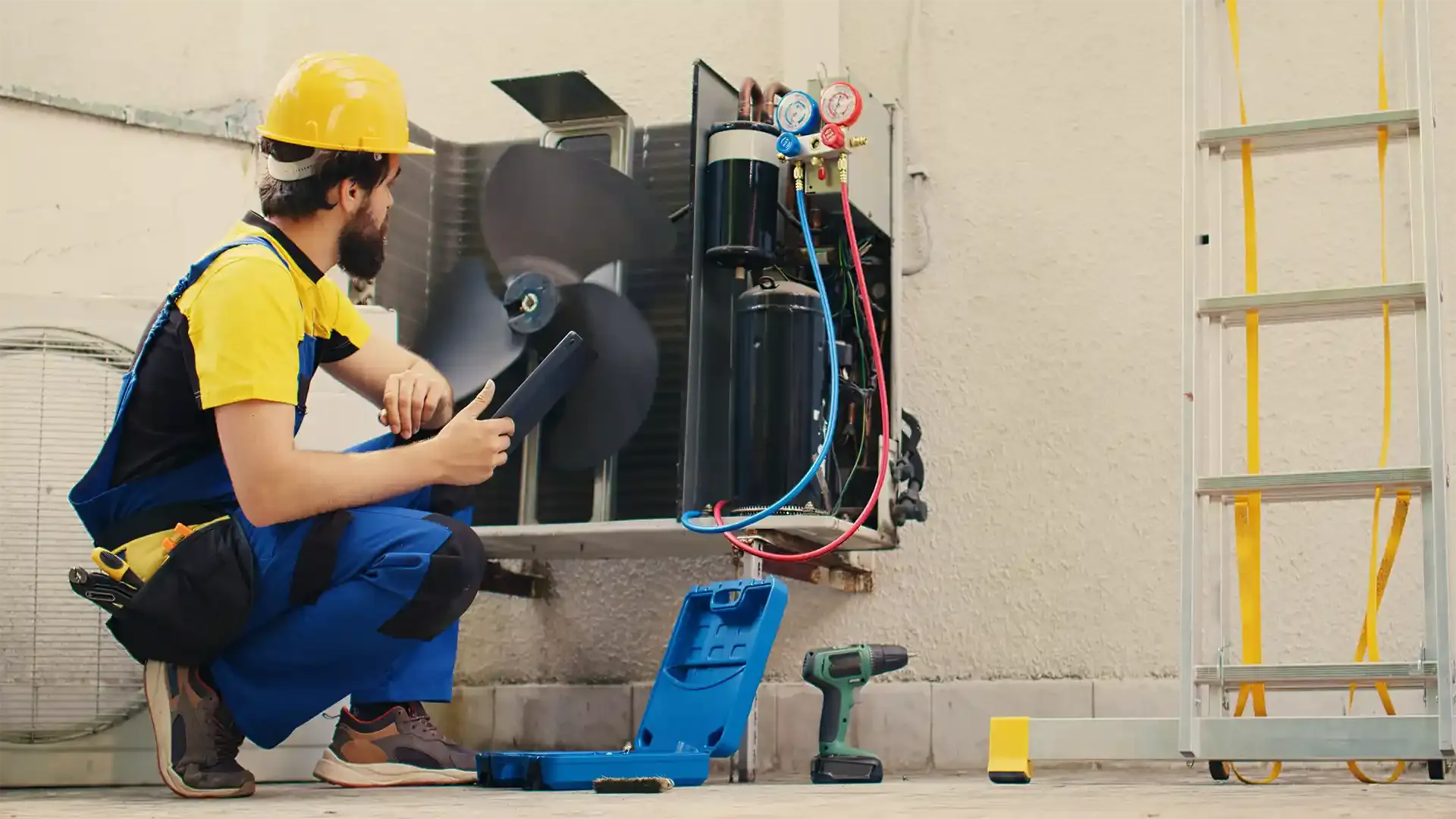
Emerson Electric Co. v. Johnson stems from a products-liability dispute involving a catastrophic compressor failure that seriously burned an HVAC technician during standard diagnostic work. Court records show the technician installed a compressor containing Fusite’s 600-series terminal, an older design later described as more susceptible to venting than the updated 700-series model. The next day, the system produced irregular noises consistent with internal electrical stress. When the technician opened the terminal cover to take an ohm reading, two of the terminal pins ejected under pressure, releasing super-heated refrigerant and oil that ignited.
A jury found both a design defect and inadequate warnings, assigning most responsibility to Emerson and Fusite. The Court of Appeals affirmed the judgment, and the Texas Supreme Court upheld those findings, concluding that the evidence of defect, safer alternative designs, and causation was legally sufficient. This dispute fits squarely within HVAC equipment failure and mechanical product-liability issues, as nearly every argument turned on why the terminal design behaved the way it did under heat and pressure. The litigation also highlights how choices in pin-groove placement, insulating-glass durability, and pressure characteristics influence real-world failure modes inside sealed compressor components.
Clarence Johnson installed a new Emerson compressor with Fusite’s 600-series terminal at the Miller Food Mart in Fort Worth. The internal structure of this terminal placed the groove inside the insulating glass, an arrangement later linked to a higher likelihood of terminal venting when exposed to electrical or thermal stress. This installation set the stage for the later defect discussions.
When Johnson returned to troubleshoot ongoing cooling issues, he heard irregular compressor noises that witnesses later associated with internal arcing. As he removed the terminal cover to check electrical resistance, two pins forcefully expelled, causing a release of refrigerant and oil that ignited. The event illustrated the hidden risks associated with pressures and materials inside sealed HVAC components.
A jury heard extensive evidence, including testimony from Dr. Don Russell, an electrical engineer, whose opinions were admitted and not excluded. He explained how internal electrical activity and heat could weaken the insulating glass in the 600-series terminal and how the pin-groove placement contributed to terminal venting, and his testimony supported the findings on defect and causation by describing how internal electrical activity and component configuration could lead to the venting event. The jury found design defects in both the terminal and the compressor, determined that warnings were inadequate, assigned fault primarily to Emerson and Fusite, and awarded substantial damages based on Johnson’s injuries.
The Texas Court of Appeals upheld the verdict, noting that the design differences between the 600- and 700-series terminals were not visible to technicians and that warning materials did not meaningfully address the underlying risks. The court emphasized how internal electrical and mechanical behavior shaped its affirmance.
The Texas Supreme Court affirmed the appellate court, concluding that sufficient evidence supported the design-defect finding and that no reversible jury-charge error occurred. The Court highlighted that Fusite had marketed two terminal designs for over a decade, with the 700-series incorporating a groove placement that prevented insulating-glass failure, yet the older 600-series was used in the compressor Johnson installed. This ruling finalized the litigation and confirmed the case’s grounding in HVAC equipment failure analysis and mechanical design liability.
Court:
Supreme Court of Texas
Case Name:
Emerson Electric Co. d/b/a Fusite and Emerson Climate Technologies, Inc. v. Clarence Johnson
Air Conditioning
Air Compressor
Design Defect
Materials Testing
Safety Warnings
Thermal Analysis and Testing
Pressure Vessels
Emerson Electric Co. v. Johnson stems from a products-liability dispute involving a catastrophic compressor failure that seriously burned an HVAC technician during standard diagnostic work. Court records show the technician installed a compressor containing Fusite’s 600-series terminal, an older design later described as more susceptible to venting than the updated 700-series model. The next day, the system produced irregular noises consistent with internal electrical stress. When the technician opened the terminal cover to take an ohm reading, two of the terminal pins ejected under pressure, releasing super-heated refrigerant and oil that ignited.
A jury found both a design defect and inadequate warnings, assigning most responsibility to Emerson and Fusite. The Court of Appeals affirmed the judgment, and the Texas Supreme Court upheld those findings, concluding that the evidence of defect, safer alternative designs, and causation was legally sufficient. This dispute fits squarely within HVAC equipment failure and mechanical product-liability issues, as nearly every argument turned on why the terminal design behaved the way it did under heat and pressure. The litigation also highlights how choices in pin-groove placement, insulating-glass durability, and pressure characteristics influence real-world failure modes inside sealed compressor components.
Clarence Johnson installed a new Emerson compressor with Fusite’s 600-series terminal at the Miller Food Mart in Fort Worth. The internal structure of this terminal placed the groove inside the insulating glass, an arrangement later linked to a higher likelihood of terminal venting when exposed to electrical or thermal stress. This installation set the stage for the later defect discussions.
When Johnson returned to troubleshoot ongoing cooling issues, he heard irregular compressor noises that witnesses later associated with internal arcing. As he removed the terminal cover to check electrical resistance, two pins forcefully expelled, causing a release of refrigerant and oil that ignited. The event illustrated the hidden risks associated with pressures and materials inside sealed HVAC components.
A jury heard extensive evidence, including testimony from Dr. Don Russell, an electrical engineer, whose opinions were admitted and not excluded. He explained how internal electrical activity and heat could weaken the insulating glass in the 600-series terminal and how the pin-groove placement contributed to terminal venting, and his testimony supported the findings on defect and causation by describing how internal electrical activity and component configuration could lead to the venting event. The jury found design defects in both the terminal and the compressor, determined that warnings were inadequate, assigned fault primarily to Emerson and Fusite, and awarded substantial damages based on Johnson’s injuries.
The Texas Court of Appeals upheld the verdict, noting that the design differences between the 600- and 700-series terminals were not visible to technicians and that warning materials did not meaningfully address the underlying risks. The court emphasized how internal electrical and mechanical behavior shaped its affirmance.
The Texas Supreme Court affirmed the appellate court, concluding that sufficient evidence supported the design-defect finding and that no reversible jury-charge error occurred. The Court highlighted that Fusite had marketed two terminal designs for over a decade, with the 700-series incorporating a groove placement that prevented insulating-glass failure, yet the older 600-series was used in the compressor Johnson installed. This ruling finalized the litigation and confirmed the case’s grounding in HVAC equipment failure analysis and mechanical design liability.
Electrical Engineering Expert Witness (Plaintiff)
Dr. Don Russell, an electrical engineer, testified at trial, and his opinions were admitted and not excluded. He explained how internal electrical activity and heat could weaken the insulating glass in the 600-series terminal and how the pin-groove placement contributed to terminal venting, and his testimony supported the findings on defect and causation by describing how internal electrical activity and component configuration could lead to the venting event.
HVAC Expert Witness
HVAC experts are often engaged in cases involving compressor function, system diagnostics, and safety analysis to explain how internal pressure, electrical activity, and component behavior interact during ordinary servicing. These experts evaluate whether sounds, servicing steps, and system responses align with established HVAC expectations, and the record notes testimony from an HVAC education witness whose views were discussed neutrally without altering the final defect findings.
Mechanical Engineering Expert Witness
Mechanical engineering experts are typically called to evaluate pressure phenomena, thermal stresses, and material behavior in sealed systems such as HVAC compressors, and they help explain how internal pressure and heat can lead to pin expulsion or component failure. Their assessments often support courts in determining whether mechanical configurations contributed to hazardous outcomes under foreseeable conditions.
Materials Testing Expert Witness
Materials testing experts are usually engaged to assess how insulating glass, metal pins, bonding points, and thermal characteristics respond to electrical and mechanical stresses, and they help contextualize whether material performance influenced degradation or structural failure within the compressor terminal.
Human-Factors Expert Witness
Human-factors experts are often consulted to evaluate how users perceive, interpret, and respond to information during HVAC servicing, including whether instructions or visual cues support safe decision-making. They assess how technicians interact with equipment features and whether foreseeable user behavior aligns with the design and presentation of safety-related information.
Linking Internal Component Design to Liability
This case shows how seemingly small design choices such as groove placement on a terminal pin can significantly influence how an HVAC component behaves under stress. The courts relied on evidence explaining why the 700-series design performed differently and how that contrasted with the older configuration.
Using Engineering Testimony to Clarify Failure Mechanisms
The appellate opinions reflect the importance of engineering testimony that connects internal behaviors such as electrical load, heat transfer, and pressure buildup to real-world failure outcomes. Effective expert analysis helped the jury understand how these mechanisms contributed to the incident.
Assessing the Adequacy of Warnings
A key issue was whether technicians could reasonably detect internal hazards without manufacturer guidance. The courts found that the warnings did not address risks associated with accessing terminals during routine servicing, supporting the marketing-defect finding.
Demonstrating Feasible Alternative Designs
The availability of the 700-series terminal played a major role. Courts emphasized that documenting feasible and safer alternatives strengthens design-defect claims by illustrating how risk-reducing changes were already known and practical.
Understanding Foreseeability When Risks Are Hidden
Because the dangerous condition originated inside a sealed component, technicians had no reasonable way to detect weakening materials or pressure buildup. This supported findings that the failure mode was not foreseeable to the user but was tied to internal design decisions.
Emerson Electric Co. v. Johnson underscores how internal design choices and material responses inside HVAC components can create real safety hazards during routine service work. The jury and both appellate courts found that the 600-series terminal’s configuration, the lack of adequate warnings, and the availability of a safer alternative design contributed to the technician’s injuries. The case illustrates why manufacturers must consider how their components behave under typical diagnostic conditions, not just ideal operating scenarios, and ensure that any concealed risks are addressed through thoughtful design or clear communication.

What caused the compressor failure?
The failure stemmed from venting inside a compressor equipped with Fusite’s 600-series terminal, where internal stress weakened insulating materials and led to pin expulsion and ignition.
Why did the jury find a design defect?
Evidence showed the 600-series terminal used a groove placement that increased vulnerability to heat and pressure, while a safer alternative had long been available.
How did warnings factor into liability?
The courts determined that the warnings did not adequately address risks associated with concealed electrical and pressure behavior inside the terminal.
How did the appellate courts evaluate the record?
Both courts found the technical and factual evidence sufficient to uphold findings on defect, warnings, and causation.
What broader safety lessons emerge from this case?
The case highlights the importance of evaluating how electrical, thermal, and pressure conditions inside sealed HVAC components affect technician safety during ordinary servicing.
What was the final outcome?
The Texas Supreme Court affirmed the judgment in favor of the plaintiff, concluding the litigation.
Electrical Engineering Expert Witness (Plaintiff)
Dr. Don Russell, an electrical engineer, testified at trial, and his opinions were admitted and not excluded. He explained how internal electrical activity and heat could weaken the insulating glass in the 600-series terminal and how the pin-groove placement contributed to terminal venting, and his testimony supported the findings on defect and causation by describing how internal electrical activity and component configuration could lead to the venting event.
HVAC Expert Witness
HVAC experts are often engaged in cases involving compressor function, system diagnostics, and safety analysis to explain how internal pressure, electrical activity, and component behavior interact during ordinary servicing. These experts evaluate whether sounds, servicing steps, and system responses align with established HVAC expectations, and the record notes testimony from an HVAC education witness whose views were discussed neutrally without altering the final defect findings.
Mechanical Engineering Expert Witness
Mechanical engineering experts are typically called to evaluate pressure phenomena, thermal stresses, and material behavior in sealed systems such as HVAC compressors, and they help explain how internal pressure and heat can lead to pin expulsion or component failure. Their assessments often support courts in determining whether mechanical configurations contributed to hazardous outcomes under foreseeable conditions.
Materials Testing Expert Witness
Materials testing experts are usually engaged to assess how insulating glass, metal pins, bonding points, and thermal characteristics respond to electrical and mechanical stresses, and they help contextualize whether material performance influenced degradation or structural failure within the compressor terminal.
Human-Factors Expert Witness
Human-factors experts are often consulted to evaluate how users perceive, interpret, and respond to information during HVAC servicing, including whether instructions or visual cues support safe decision-making. They assess how technicians interact with equipment features and whether foreseeable user behavior aligns with the design and presentation of safety-related information.
Linking Internal Component Design to Liability
This case shows how seemingly small design choices such as groove placement on a terminal pin can significantly influence how an HVAC component behaves under stress. The courts relied on evidence explaining why the 700-series design performed differently and how that contrasted with the older configuration.
Using Engineering Testimony to Clarify Failure Mechanisms
The appellate opinions reflect the importance of engineering testimony that connects internal behaviors such as electrical load, heat transfer, and pressure buildup to real-world failure outcomes. Effective expert analysis helped the jury understand how these mechanisms contributed to the incident.
Assessing the Adequacy of Warnings
A key issue was whether technicians could reasonably detect internal hazards without manufacturer guidance. The courts found that the warnings did not address risks associated with accessing terminals during routine servicing, supporting the marketing-defect finding.
Demonstrating Feasible Alternative Designs
The availability of the 700-series terminal played a major role. Courts emphasized that documenting feasible and safer alternatives strengthens design-defect claims by illustrating how risk-reducing changes were already known and practical.
Understanding Foreseeability When Risks Are Hidden
Because the dangerous condition originated inside a sealed component, technicians had no reasonable way to detect weakening materials or pressure buildup. This supported findings that the failure mode was not foreseeable to the user but was tied to internal design decisions.
Emerson Electric Co. v. Johnson underscores how internal design choices and material responses inside HVAC components can create real safety hazards during routine service work. The jury and both appellate courts found that the 600-series terminal’s configuration, the lack of adequate warnings, and the availability of a safer alternative design contributed to the technician’s injuries. The case illustrates why manufacturers must consider how their components behave under typical diagnostic conditions, not just ideal operating scenarios, and ensure that any concealed risks are addressed through thoughtful design or clear communication.
What caused the compressor failure?
The failure stemmed from venting inside a compressor equipped with Fusite’s 600-series terminal, where internal stress weakened insulating materials and led to pin expulsion and ignition.
Why did the jury find a design defect?
Evidence showed the 600-series terminal used a groove placement that increased vulnerability to heat and pressure, while a safer alternative had long been available.
How did warnings factor into liability?
The courts determined that the warnings did not adequately address risks associated with concealed electrical and pressure behavior inside the terminal.
How did the appellate courts evaluate the record?
Both courts found the technical and factual evidence sufficient to uphold findings on defect, warnings, and causation.
What broader safety lessons emerge from this case?
The case highlights the importance of evaluating how electrical, thermal, and pressure conditions inside sealed HVAC components affect technician safety during ordinary servicing.
What was the final outcome?
The Texas Supreme Court affirmed the judgment in favor of the plaintiff, concluding the litigation.
Manufacturing
Metallurgy, +4
Manufacturing
Manufacturing, +4
Manufacturing