Introduction to the Maine v. Monsanto PCB Contamination Case
In April 2024, the State of Maine, led by Attorney General Aaron Frey, filed a high-profile environmental lawsuit against Monsanto (a subsidiary of Bayer) in Cumberland County Superior Court. The complaint alleges that Monsanto manufactured and marketed products containing polychlorinated biphenyls (PCBs) despite decades of evidence of their toxic effects, persistence in the environment, and significant health risks. Maine asserts that Monsanto continued to sell PCB-based products long after internal and external evidence demonstrated their hazards, prioritizing financial interests over environmental safety and public health.
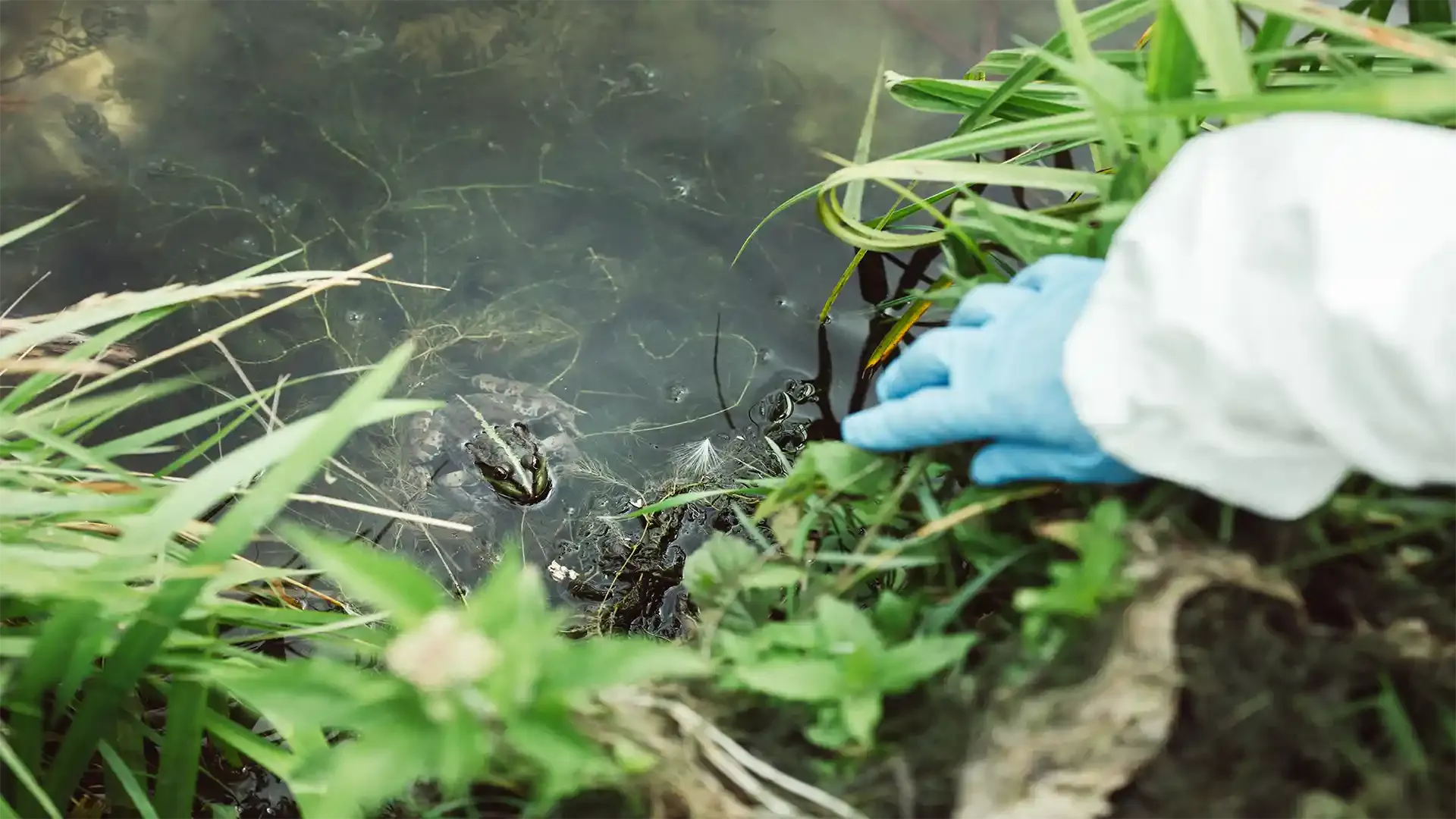
The state alleges that PCBs have contaminated rivers, sediments, and marine ecosystems, resulting in impaired waters and seafood consumption advisories. This contamination has impacted fisheries, wildlife, and exposed communities to potential health risks. The lawsuit seeks accountability, recovery of remediation costs, and funding for monitoring and cleanup, positioning Maine within a broader wave of state-led toxic tort actions against corporate polluters.
Key Legal Developments in the Maine v. Monsanto Environmental Lawsuit
April 11, 2024 – Lawsuit Filed
On April 11, 2024, Maine filed a complaint against Monsanto in Cumberland County Superior Court. The lawsuit alleges that Monsanto continued to produce and distribute PCB-containing products despite clear evidence of their dangers to public health and the environment. The complaint identified more than 400 miles of rivers and streams and nearly 1.8 million acres of ocean waters impaired by PCB contamination. Maine seeks recovery of cleanup, monitoring, and mitigation costs for decades of environmental damage to rivers, coastal ecosystems, and local communities.
December 16, 2024 – Motion to Dismiss Denied
On December 16, 2024, Monsanto filed a motion to dismiss, arguing that Maine’s claims lacked sufficient legal basis. The Superior Court denied the motion, finding that the state had plausibly alleged claims under public nuisance, negligence, and strict liability theories. This rule allowed the case to proceed into discovery, where Maine will seek further evidence and expert testimony linking Monsanto’s conduct to long-term ecological harm and public health risks. The denial of the motion marked a significant procedural milestone in the litigation.
Projected Trial Timeline – 2026 or Beyond
Environmental contamination lawsuits typically involve extensive discovery, expert witness testimony, and detailed damages analysis, leading to long litigation timelines. Legal observers anticipate that trial may not occur until 2026 or later. The extended timeline reflects the complexity of evidence collection, the likelihood of pre-trial motions, and potential settlement negotiations. Meanwhile, PCB contamination continues to affect Maine’s waters and ecosystems, underscoring the urgency of accountability and remediation.
Expert Witness Roles in PCB Contamination and Environmental Toxicology Litigation
- Environmental Toxicology Expert Witnesses: Analyze PCB chemical behavior, persistence in soil and water, and bioaccumulation in fish, wildlife, and humans. They explain links to health risks such as cancer, reproductive harm, and endocrine disruption.
- Environmental Science Expert Witnesses: Study how PCBs migrate through rivers, estuaries, and coastal systems using sampling and ecological modeling. Their work establishes the scope of ecological damage and supports remediation planning.
- Industrial Hygiene Expert Witnesses: Assess occupational and community exposures to PCBs by reviewing workplace practices and environmental sampling data to determine exposure pathways.
- Economics Damages Expert Witnesses: Calculate costs of cleanup, restoration, long-term monitoring, and economic losses affecting fisheries, tourism, and public health systems.
- Application of Nuisance and Strict Liability: Maine’s legal theories demonstrate how nuisance and strict liability doctrines can hold corporations accountable for hazardous chemical contamination.
- Importance of Document Discovery: Internal company documents will be central to showing what Monsanto knew and when, a decisive factor in many toxic tort cases.
- State-Level Precedents: Oregon’s $698 million settlement with Monsanto in 2022 highlights the potential for substantial recovery in PCB lawsuits and sets precedent for state-led environmental actions.
- Damages Assessments: Attorneys should expect complex damages analyses that cover cleanup costs, natural resource damages, health monitoring, and economic losses to key industries.
Conclusion
Maine v. Monsanto is a significant environmental lawsuit that underscores the interplay of corporate accountability, toxic chemical regulation, and state-led enforcement. PCBs, banned in 1979, continue to persist in sediments, contaminate food chains, and threaten health decades later. By advancing claims under nuisance, negligence, and strict liability, Maine seeks recovery of remediation and monitoring costs while addressing the enduring effects of toxic exposure. The denial of Monsanto’s motion to dismiss enables the case to proceed into discovery with expert testimony. This litigation has implications for other states dealing with PCB contamination and could influence emerging cases involving PFAS and other persistent pollutants.