Flames Behind the Door: A Defective Dishwasher and the Tragedy in McCoy v. Whirlpool Corp.
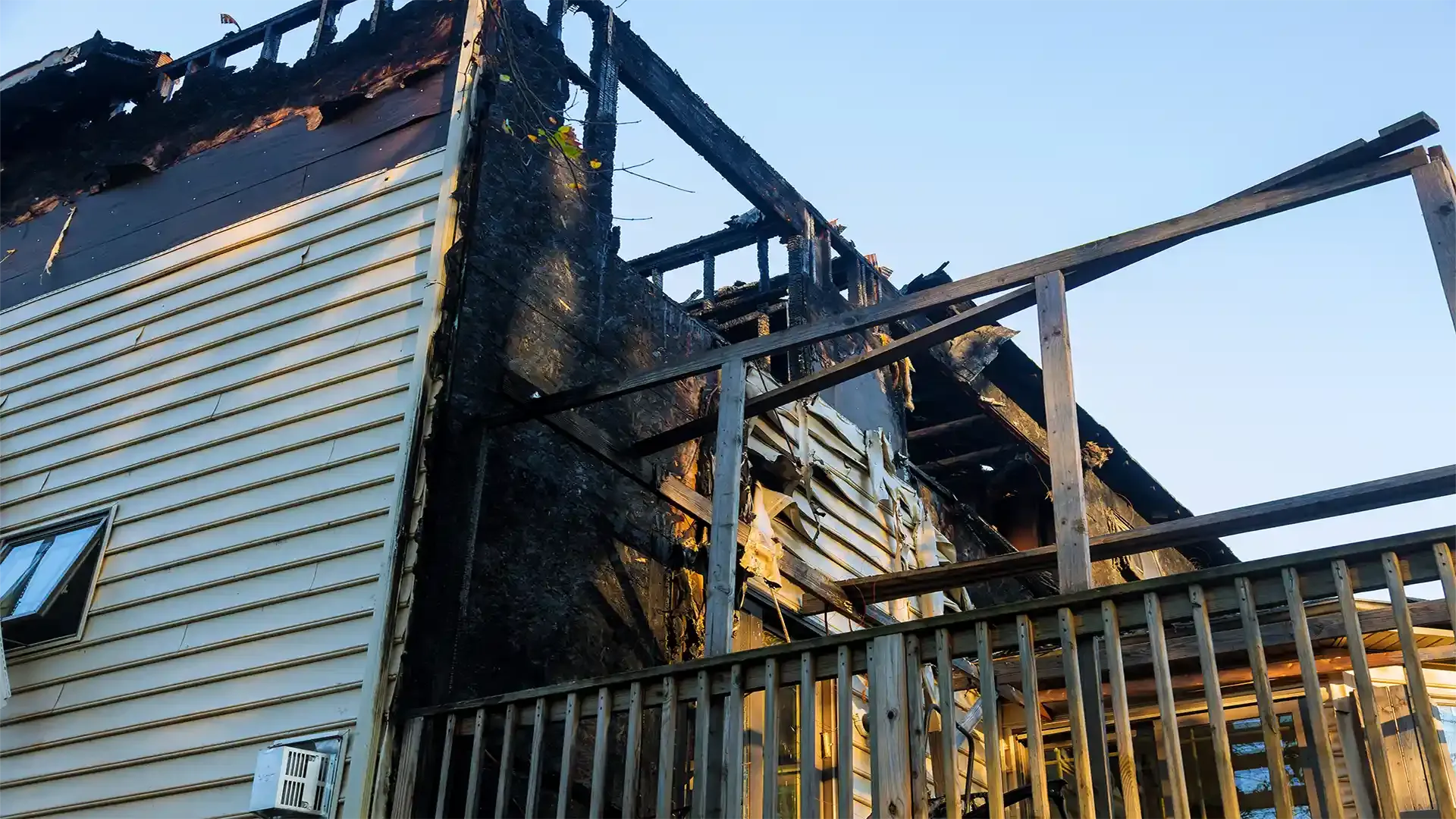
In McCoy v. Whirlpool Corp., the plaintiffs filed a wrongful death and product liability lawsuit after a fatal house fire on February 16, 2000, claimed the life of Emily McCoy and destroyed the family home in Louisburg, Kansas. The fire was alleged to have originated in a Kenmore New Generation dishwasher, manufactured by Whirlpool and sold through Sears. Central to the lawsuit was whether the appliance contained a latent defect, specifically in its door latch switch assembly that made it unreasonably dangerous under strict liability standards. The case proceeded to trial in 2003, ending in a mistrial, but a second trial in February 2005 resulted in a $1.7 million jury verdict in favor of the plaintiffs.
According to testimony and physical evidence, flames were seen emerging from the front of the dishwasher shortly after it was activated on a delayed cycle. Expert analysis pointed to the dishwasher’s internal electrical components, particularly the microswitches and flag terminal connections, as the likely source of ignition. Whirlpool had implemented changes to its switch materials and terminal types in the 1990s, but plaintiffs argued that the defect persisted in units like the one installed in the McCoy home. The legal battle focused on whether Whirlpool had sufficient knowledge of overheating risks and whether the product’s assembly deviated from safe manufacturing protocols. The Tenth Circuit ultimately reinstated the jury verdict, finalizing Whirlpool’s liability in a fully resolved case.
Litigation Timeline of McCoy v. Whirlpool Corp.: From Fire Incident to Final Ruling
February 16, 2000 – Tragic Dishwasher Fire Claims a Life in Kansas
On the evening of February 16, 2000, Lorray McCoy and her daughter Emily were home in Louisburg, Kansas. Lorray activated the delay timer on their Kenmore New Generation dishwasher, manufactured by Whirlpool, which was set to run a wash and dry cycle before shutting off automatically. Around 11:30 p.m., Lorray noticed smoke and discovered flames coming from the front of the dishwasher. She called for her daughter and dialed 911, but the fire claimed Emily’s life and destroyed the family’s home. The incident became the basis for a wrongful death and product liability lawsuit against Whirlpool.
2002 – McCoy Family Files Product Liability Lawsuit Against Whirlpool
James and Lorray McCoy, along with their insurer, filed three related lawsuits in 2002 against Whirlpool Corporation. The claims alleged that a manufacturing defect in the dishwasher’s electrical components caused the fatal fire. The suit also included survival action on behalf of Emily McCoy’s estate and claims for personal injury and property damage. The lawsuits were consolidated and moved forward in the U.S. District Court for the District of Kansas.
August 2003 – First Trial Ends in Mistrial
The case proceeded to trial in August 2003 but was derailed by procedural issues, leading to a mistrial. Despite extensive testimony, the jury was unable to reach a verdict. The court declared a mistrial, resetting the path for a retrial and intensifying the focus on expert analysis in the second round.
February 10, 2005 – Jury Awards $1.7 Million to McCoy Family
In the second trial, a new jury returned a verdict in favor of the plaintiffs, awarding $1,712,914 in damages. Expert testimony from fire investigators James Kuticka and Michael Schulz concluded that the fire originated in the upper door latch switch assembly of the dishwasher. Electrical engineering expert James L. Martin supported this conclusion by identifying ten potential points of excessive resistance heating, allegedly caused by defective crimping or wiring inside the unit. Martin’s theory centered on a manufacturing defect as the ignition source.
February 24, 2005 – Whirlpool Seeks Judgment as a Matter of Law
Following the jury verdict, Whirlpool filed post-trial motions arguing that plaintiffs failed to prove their case under Daubert and Rule 702 standards for expert testimony. The company challenged the admissibility and reliability of James L. Martin’s causation analysis, asserting that he had not conducted independent testing and that his conclusions were speculative. The defense argued that the dishwasher’s black microswitches functioned as thermal fuses, cutting current before temperatures could rise enough to ignite surrounding materials.
July 29, 2005 – Trial Court Overturns Jury Verdict Based on Expert Evidence Standards
Judge Kathryn Vratil granted Whirlpool’s motion for judgment as a matter of law, effectively overturning the $1.7 million jury award. The court ruled that Martin’s testimony failed both general and specific causation standards, noting he could not reliably explain how excessive resistance heating could start a fire in a dishwasher equipped with black microswitches. The court emphasized the “analytical gap” between Martin’s theory and the facts, ultimately concluding that his methodology did not meet Daubert reliability thresholds.
July 22, 2008 – Tenth Circuit Reinstates Jury Verdict in Favor of the McCoys
On appeal, the Tenth Circuit Court of Appeals reversed the district court’s decision to set aside the jury’s $1.7 million verdict. The appellate panel held that the plaintiffs had presented sufficient evidence through expert testimony and supporting analysis for a jury to reasonably find a manufacturing defect. The court remanded the case for entry of judgment in favor of the McCoy family, marking a final resolution in their favor.
Expert Witnesses in McCoy v. Whirlpool Corp.: Key Testimonies in a Manufacturing Defect Lawsuit
The McCoy v. Whirlpool Corp. case featured expert witnesses whose testimonies were crucial to determining whether a manufacturing defect in a Whirlpool dishwasher caused the fatal house fire. Several were publicly disclosed, while others are reasonably inferred based on the evidence and trial records.
-
Fire Cause and Origin Investigations Expert Witness
- Kuticka was retained by the plaintiffs to determine the fire’s origin. He concluded that the fire began in the upper door of the Whirlpool dishwasher, specifically within the door latch switch assembly, and that the cause was electrical in nature.
- Michael Schulz independently validated Kuticka’s findings. He agreed the fire was electrical and started in the dishwasher’s upper door latch assembly, supporting the plaintiffs’ theory of internal failure.
- David Yates, from the Kansas State Fire Marshal’s Office, was not called to testify but was included in a joint stipulation. His findings matched those of Kuticka and Schulz, identifying the Whirlpool dishwasher as the fire’s source.
- Daniel Anderson also participated in the joint stipulation. He concluded the fire originated in the dishwasher’s door latch switch assembly and was caused by electrical failure.
-
Electrical Engineering Expert Witness
- James Martin, a licensed electrical engineer, testified for the plaintiffs. He concluded that excessive resistance heating, caused by improper crimping or loose wire connections in the dishwasher’s door latch switch assembly, triggered the fire. He identified the defect as one that originated during manufacturing.
- Ernst Grunewald testified for Whirlpool. He maintained that the dishwasher’s black microswitches functioned as thermal fuses that would prevent current from continuing long enough to start a fire but acknowledged that a manufacturing defect in the crimping process could theoretically cause overheating.
-
Manufacturing Defects Expert Witness
- Although not explicitly named, testimony addressing improper crimping, terminal design, and quality assurance in Whirlpool’s production process suggests that a manufacturing defect expert likely was involved in shaping the plaintiffs’ theory. The detailed analysis of ETCO terminals and production tolerances reflects this area of expertise.
-
Appliances Expert Witness
- The record includes references to changes in dishwasher component design and internal configurations. This implies the involvement of a forensic appliance engineer capable of evaluating how design changes and part integration may have contributed to electrical failure.
Litigating Heat: Legal Strategy and Expert Witness Lessons from McCoy v. Whirlpool
The McCoy v. Whirlpool Corp. case offers attorneys essential insights into litigating manufacturing defect claims, particularly where fire origin and electrical failure are central to liability. It also highlights how courts evaluate expert witness admissibility under Daubert and the strategic importance of aligning technical causation with evidentiary standards.
-
Ensure Expert Testimony Satisfies Daubert and Rule 702 Requirements
- Courts will scrutinize whether an expert’s methodology is reliably applied to the facts of the specific case. General theories of causation are not enough, experts must show how their conclusions are directly tied to the product in question. A well-qualified expert may still be excluded if they cannot bridge the gap between theory and case-specific application.
-
Corroborate Fire Origin and Cause with Multiple Disciplines
- Integrating testimony from fire investigators and electrical engineers strengthens the causation narrative. In McCoy, alignment between fire origin experts and engineering analysis proved critical at trial. Attorneys should anticipate and coordinate multi-expert input to establish a unified technical theory.
-
Prepare for Challenges to Manufacturing Defect Theories Without Design Flaws
- This case centered on allegations of poor crimping and loose wiring—manufacturing deviations, not design flaws. Such claims require detailed documentation, quality control records, and engineering analysis to establish that the defect was not part of the intended product specifications. Attorneys should ensure their expert can clearly distinguish between design and manufacturing defect standards.
-
Strategically Address “Fail-Safe” Defense Arguments in Appliance Litigation
- Whirlpool’s defense relied on the dishwasher’s black microswitches allegedly acting as thermal fuses to prevent fire. Plaintiffs must be ready to rebut such arguments with testing data, expert simulations, or by exposing inconsistencies in product behavior under real-world conditions. Legal teams should probe whether fail-safe components reliably activate under all foreseeable conditions.
-
Leverage Appellate Strategy When Expert Evidence Is Challenged
- The trial court initially overturned the jury verdict due to concerns over expert reliability, but the Tenth Circuit reversed and reinstated the award. This outcome illustrates the value of preserving a strong appellate record on expert admissibility and ensuring that trial objections align with established evidentiary standards. Attorneys should build arguments not only for the jury, but also for the bench and appellate review.
Conclusion
The McCoy v. Whirlpool Corp. case stands as a pivotal example of how complex product liability claims unfold when tragic outcomes intersect with technical disputes. At its core, the litigation revolved around whether a fire that killed a young girl and destroyed a family home could be definitively traced back to a household appliance. Through years of litigation, multiple expert witnesses, and appellate review, the case highlighted how courts balance scientific credibility, evidentiary standards, and the role of expert testimony in determining liability.
Beyond its emotional impact, the case underscores critical legal challenges in proving a manufacturing defect. Plaintiffs must present not only a compelling factual narrative but also ensure their technical experts can withstand rigorous Daubert scrutiny. For attorneys handling similar claims involving consumer products, McCoy offers lasting guidance on assembling multidisciplinary expert teams, framing causation arguments, and preserving verdicts through appellate strategy. The case’s final outcome a reinstated multimillion-dollar verdict demonstrates that when a defect can be clearly tied to product assembly failures, justice can prevail even after initial setbacks.