Reboiler Failure, Jury Verdicts, and Federal Safety Findings
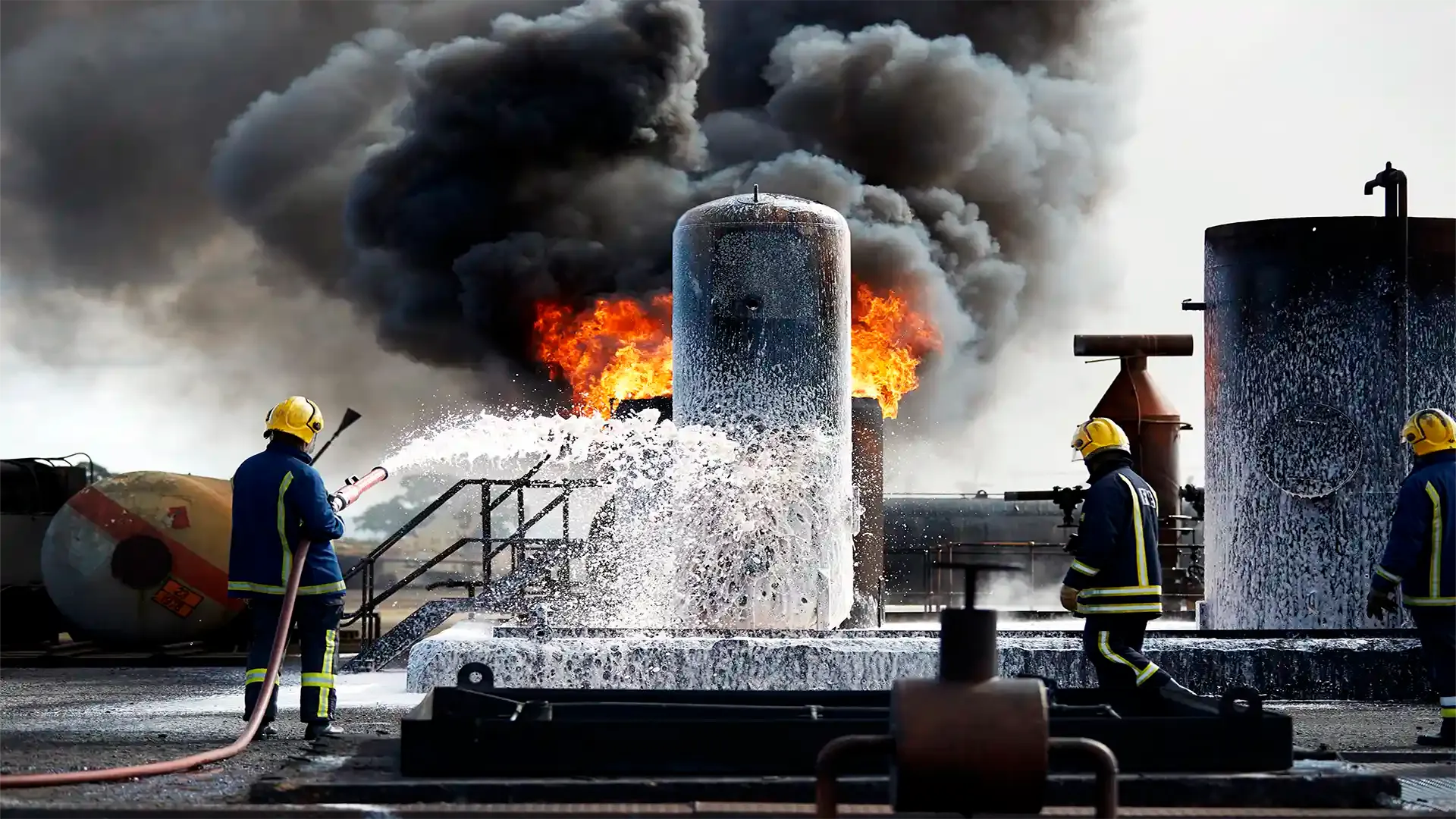
On June 13, 2013, a catastrophic explosion and fire occurred at the Williams Olefins plant in Geismar, Louisiana, when a standby reboiler ruptured during non-routine operations, releasing flammable hydrocarbons that ignited. The incident killed two workers and resulted in 167 reported injuries, most involving contractors working on an expansion project. Federal investigators later determined that heat was introduced into a blocked-in reboiler that lacked effective overpressure protection, causing a rapid pressure increase and a boiling liquid expanding vapor explosion. Following the incident, the facility was shut down for an extended period, and multiple injured workers filed civil lawsuits in Louisiana state court alleging negligence by the plant operator and related entities.
In the ensuing litigation, juries found Williams Olefins and co-defendants liable in successive trials, awarding millions of dollars in damages to injured workers, including a $16 million verdict for four plaintiffs in a later case. Separately, the U.S. Chemical Safety Board concluded that longstanding deficiencies in process safety management, such as inadequate management of change, incomplete hazard analysis, and weaknesses in operating procedures contributed to the failure, findings that were echoed in technical and educational analyses of the event. These outcomes collectively frame the case as a significant example of workplace safety failures in a high-hazard industrial setting, illustrating how gaps in equipment safeguards, procedural controls, and operational oversight can lead to severe human and legal consequences.
Williams Olefins Plant Explosion Timeline: Workplace Safety Failures and Litigation Outcomes
June 13, 2013 – Reboiler Rupture and Explosion at Geismar Olefins Plant
A catastrophic explosion and fire occurred at the Williams Olefins facility in Geismar, Louisiana, shortly after operators introduced hot quench water into a standby reboiler that had been offline for approximately 16 months. Because the reboiler was isolated from pressure relief, trapped hydrocarbons rapidly overpressurized the vessel and caused it to rupture, releasing flammable material that ignited. Two workers were killed and 167 workers reported injuries, setting in motion regulatory investigations and civil litigation focused on workplace safety controls during non-routine operations.
June–December 2013 – Federal Safety Investigation and Engineering Analysis Begins
In the months following the explosion, the U.S. Chemical Safety Board launched an independent investigation supported by chemical process safety and engineering experts, along with technical investigators. The investigative team examined process design, operating conditions, and safety management systems to reconstruct how heat was introduced into a blocked-in reboiler. This work centered on process safety engineering controls, hazard analysis, and management-of-change practices, and was conducted as a neutral technical inquiry rather than a determination of legal fault.
December 2013 – OSHA Issues Process Safety Management Citations Based on Safety Findings
Federal regulators cited Williams Olefins for multiple violations of the Process Safety Management standard, including a willful citation for failing to develop clear written procedures for returning idle pressure vessels to service. These findings reflected workplace safety and process safety management evaluations, including assessments of hazard analysis, safeguards for non-routine operations, and written operating procedures. The citations were later resolved through settlement, formally concluding the enforcement phase.
2014–2015 – Metallurgical and Failure Analysis Confirms Overpressure Mechanism
As part of the CSB investigation, metallurgical experts examined the ruptured reboiler to determine the physical failure mechanism. Their analysis confirmed that the vessel failed due to rapid internal overpressure caused by thermal expansion of trapped hydrocarbons, rather than external damage or material degradation. This expert work provided a technical foundation for the CSB’s conclusions on the explosion sequence and safety system breakdowns.
January 2015 – Plant Restarts Following Safety and Operational Changes
After an approximately 18-month shutdown, the Geismar olefins plant resumed operations. The restart followed equipment modifications and updates to operating and safety management practices informed by regulatory scrutiny and investigative findings. This marked the operational close of the incident while civil claims by injured workers continued.
September 26, 2016 – First Jury Verdict Awards $13.6 Million to Injured Workers
An Iberville Parish jury returned verdicts totaling $13.6 million for four workers injured in the explosion. The jury found the plant owner and operator primarily responsible for negligence related to the conditions that caused the incident. While expert testimony is not publicly detailed in the sources, the verdict relied on the established factual record shaped in part by prior safety investigations.
October 2016 – CSB Issues Final Case Study with Expert Conclusions on Root Causes
The Chemical Safety Board released its final case study documenting the conclusions of its chemical process safety engineers, metallurgical analysts, and investigators. The report identified deficiencies in management of change, process hazard analysis, operating procedures, and overpressure protection as root causes. These findings represented the authoritative expert conclusion on workplace safety failures and formally closed the federal investigation.
November 15, 2016 – Second Jury Verdict Awards $16.1 Million in Worker Injury Case
In a subsequent trial, a Louisiana jury awarded approximately $16.1 million to four additional injured workers, again assigning most of the fault to the plant operator and a smaller share to a co-owner. The damages included compensation for physical injuries, pain, and diminished earning capacity. The verdict further resolved pending civil claims arising from the explosion.
Late 2016 – Case Concludes with Established Liability and Final Expert Findings
By the end of 2016, the combination of finalized jury verdicts and the CSB’s completed investigation brought the case to a close. Civil liability and damages were established through state court judgments, while expert-driven federal findings documented systemic workplace safety failures. Together, these outcomes concluded the legal and regulatory phases of the Williams Olefins plant explosion.
Expert Witness Types in the Williams Olefins Plant Explosion Workplace Safety Litigation
-
Chemical Process Safety and Engineering Expert Witnesses (Neutral Investigative Role)
Chemical process safety and engineering experts were involved throughout the U.S. Chemical Safety Board investigation, which functioned as an independent federal inquiry rather than as a plaintiff or defense presentation. Their documented role was to analyze process design, management of change, hazard analysis, and operating procedures related to the reboiler system. The findings were technical and neutral, forming part of the CSB’s official conclusions on the causes of the explosion and related workplace safety failures.
-
Metallurgical and Materials Analysis Expert Witnesses (Neutral Investigative Role)
Metallurgical experts were engaged as part of the CSB investigation to examine the failed reboiler and determine the physical mechanism of rupture. Their analysis focused on fracture characteristics and pressure-related failure, supporting the conclusion that the vessel ruptured due to rapid internal overpressure rather than external impact or material defect. This work was conducted for investigative purposes only and was not presented on behalf of either plaintiffs or defendants.
-
Workplace Safety and Process Safety Management Expert Witnesses (Neutral Investigative Role)
Workplace safety expertise was reflected in the regulatory and investigative findings evaluating compliance with the Process Safety Management standard. These assessments addressed written procedures, hazard evaluations, safeguards for non-routine operations, and safety management systems affecting worker protection. The conclusions were neutral and institutional in nature, identifying systemic workplace safety deficiencies without attribution to a litigation party.
-
Plant Operations Expert Witness
Plant operations experts are commonly consulted in industrial accident and workplace injury litigation to provide context on facility operations, standard operating practices, and safety oversight at an organizational level. Their work typically involves reviewing operational procedures, decision-making structures, and compliance with established safety and operational standards.
-
Economic Damages Expert Witness
Economic damages experts are typically used in worker injury trials to quantify lost earning capacity, medical costs, and other financial impacts resulting from workplace injuries. The jury verdicts awarding damages for physical injuries, pain, and diminished earning capacity reflect categories ordinarily supported by structured economic analysis.
Key Legal Lessons and Litigation Strategies from the Williams Olefins Workplace Safety Case
-
Regulatory Findings Can Anchor Civil Liability
Federal investigation records established a detailed factual baseline that plaintiffs relied upon to frame negligence claims efficiently. Authoritative safety findings narrowed disputed issues at trial.
-
Non-Routine Operations Heighten Risk Exposure
The explosion arose during a transition involving idle equipment, an area where written procedures and management-of-change controls were found lacking. Litigation centered on whether foreseeable risks were adequately addressed.
-
Process Safety Management Failures Translate to Jury Narratives
System-level findings on overpressure protection and hazard analysis provided juries with a coherent explanation of how technical gaps led to harm, reinforcing liability themes.
-
Sequential Verdicts Shape Litigation Strategy
Early verdicts influenced later trials by establishing fault allocation and damages frameworks, reducing uncertainty in subsequent proceedings.
-
Independent Technical Records Carry Evidentiary Weight
Neutral investigative analyses created outside litigation contexts proved influential across regulatory and civil phases due to their perceived objectivity.
Conclusion
The Williams Olefins explosion demonstrates how a single operational failure can evolve into extensive regulatory and civil proceedings. A non-routine equipment transition resulted in catastrophic loss, followed by authoritative safety investigations and multiple jury verdicts. Together, these outcomes illustrate how technical findings and legal accountability converge in major industrial accident cases.
More broadly, the case underscores the importance of robust process safety management, clear operating procedures, and safeguards during non-routine tasks. For attorneys and industry stakeholders, it remains a cautionary example of how gaps in safety systems can lead to severe human and legal consequences.